Insights
Industry insights, integration guides, and product updates from the CXTMS team.
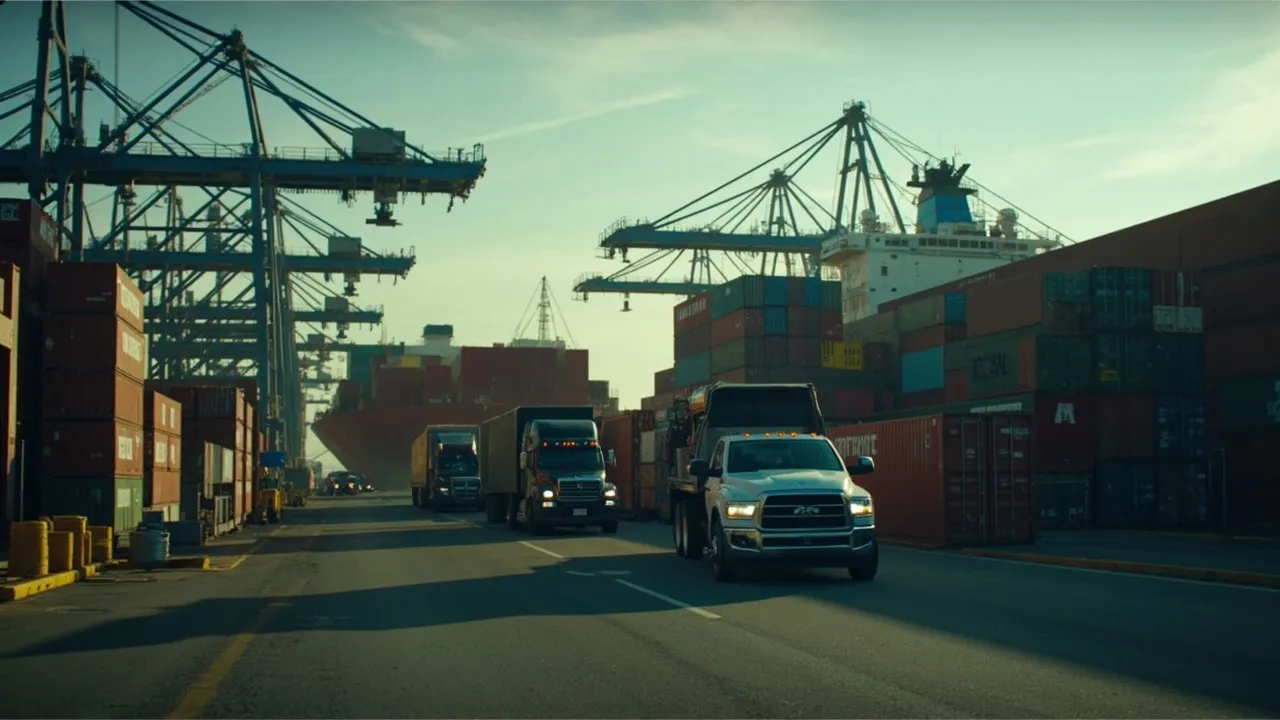
Record LA and Long Beach Volumes Make Drayage Appointments the Control Point
Record June container volumes at Los Angeles and Long Beach show why port flow depends on appointment slots, chassis, receiving windows, and drayage confirmation.
 CXTMS InsightsJuly 21, 20266 min read
Reverse Logistics Growth Needs Disposition Rules Before Returns Hit the Dock
Reverse logistics growth is making return disposition a transportation and inventory control problem before products reach the receiving dock.
CXTMS InsightsJuly 21, 2026 · 6 min read
Top 3PL Lists Are Becoming Service-Scope Checklists, Not Vendor Directories
Top 3PL lists now show why shippers need a service-scope checklist for outsourcing, data access, exception ownership, billing proof, and execution control.
CXTMS InsightsJuly 21, 2026 · 6 min read
AI Application Spend Risk Pushes Logistics Software Toward Outcome Proof
Agentic AI is putting enterprise software spend under scrutiny. Logistics software buyers need outcome proof tied to tenders, exceptions, dwell, audits, and service.
CXTMS InsightsJuly 20, 2026 · 6 min read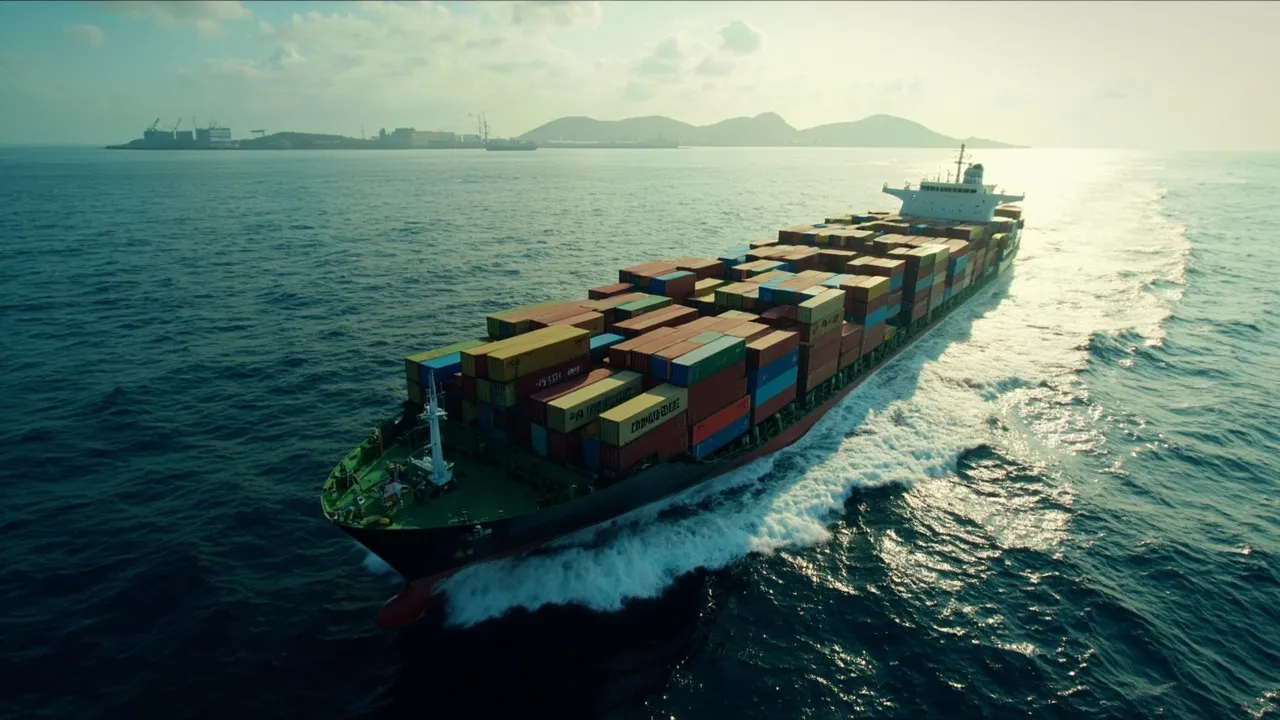
Brazil's Ethanol-Powered Boxship Makes Marine Fuel Optionality an Operating File
Brazil's first ethanol-powered container ship shows why green ocean freight needs operational evidence for fuel pathways, emissions claims, surcharges, and fallback fuel use.
CXTMS InsightsJuly 20, 2026 · 6 min read
Commercial Fleet AI Cameras Need Evidence Rules Before They Need More Video
AI-equipped fleet cameras are turning video into operational evidence. Fleets need rules for retention, consent, claims, exceptions, and deletion before footage becomes noise.
CXTMS InsightsJuly 20, 2026 · 6 min read
DDMRP Turns Manufacturing Buffers Into Transportation Release Rules
DDMRP is returning to North American manufacturing, but buffer signals only work when they become clear transportation release rules for inbound freight, docks, suppliers, and expedites.
CXTMS InsightsJuly 20, 2026 · 6 min read
Diesel Shortage Tail Risk Needs Lane-Level Fuel Allocation Rules
Diesel shortage risk is no longer just a surcharge problem. Logistics teams need lane-level fuel allocation rules for carrier acceptance, reefers, inventory, and service promises.
CXTMS InsightsJuly 20, 2026 · 6 min read
Finished Vehicle Logistics Is Becoming a Staging and Processing Capacity Problem
Finished vehicle logistics is moving beyond railcars and haulaway trucks. Vehicle processing, EV handling, yard dwell, and dealer allocation now decide throughput.
CXTMS InsightsJuly 20, 2026 · 7 min read
Retail Supply Chain Restructuring Needs Supplier-Change Transportation Models
Retailers weighing nearshoring, onshoring, and supplier diversification need transportation models that test landed cost, lead time, capacity, customs, and service promises before sourcing changes are locked.
CXTMS InsightsJuly 20, 2026 · 6 min read