Insights
Industry insights, integration guides, and product updates from the CXTMS team.
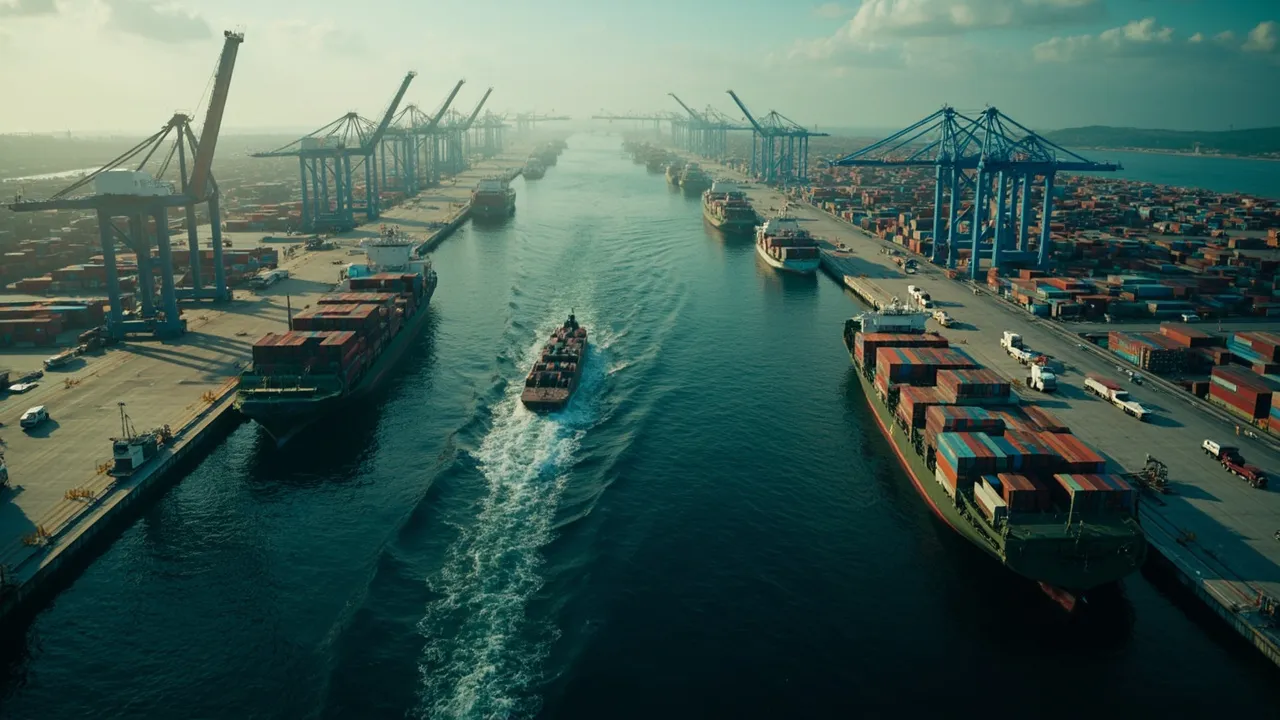
CK Hutchison’s $1.5 Billion Panama Claim Is a Port-Concession Continuity Warning
Panama’s port dispute shows why shippers need a continuity file for bookings, customs, equipment, payments, and evidence when terminal control changes.
 CXTMS InsightsAugust 24, 20266 min read
A 5% Port of Los Angeles Cargo Bump Needs a Downstream Capacity Reconciliation
Translate a potential Port of Los Angeles cargo increase into daily terminal, chassis, rail, drayage, and distribution-center capacity decisions.
CXTMS InsightsAugust 24, 2026 · 6 min read
RoadOne’s Charleston Expansion Puts Drayage Acquisition Integration to the Test
Turn a Charleston drayage acquisition into reliable capacity with disciplined data, service baselines, phased lane migration, and rollback controls.
CXTMS InsightsAugust 24, 2026 · 6 min read
Walmart’s Slowest Sales Growth in Six Years Is an Inventory Rebalancing Signal
Walmart’s Q2 slowdown shows why retailers must reconcile demand, inventory, and inbound freight before cutting transportation commitments.
CXTMS InsightsAugust 24, 2026 · 6 min read
Amazon’s Planned 1 Million-Square-Foot Connecticut DC Needs a Downstream Capacity Model
Amazon's proposed Norwich distribution center shows why large upstream facilities need downstream capacity gates for sortation, delivery, docks, inventory, and carriers.
CXTMS InsightsAugust 23, 2026 · 6 min read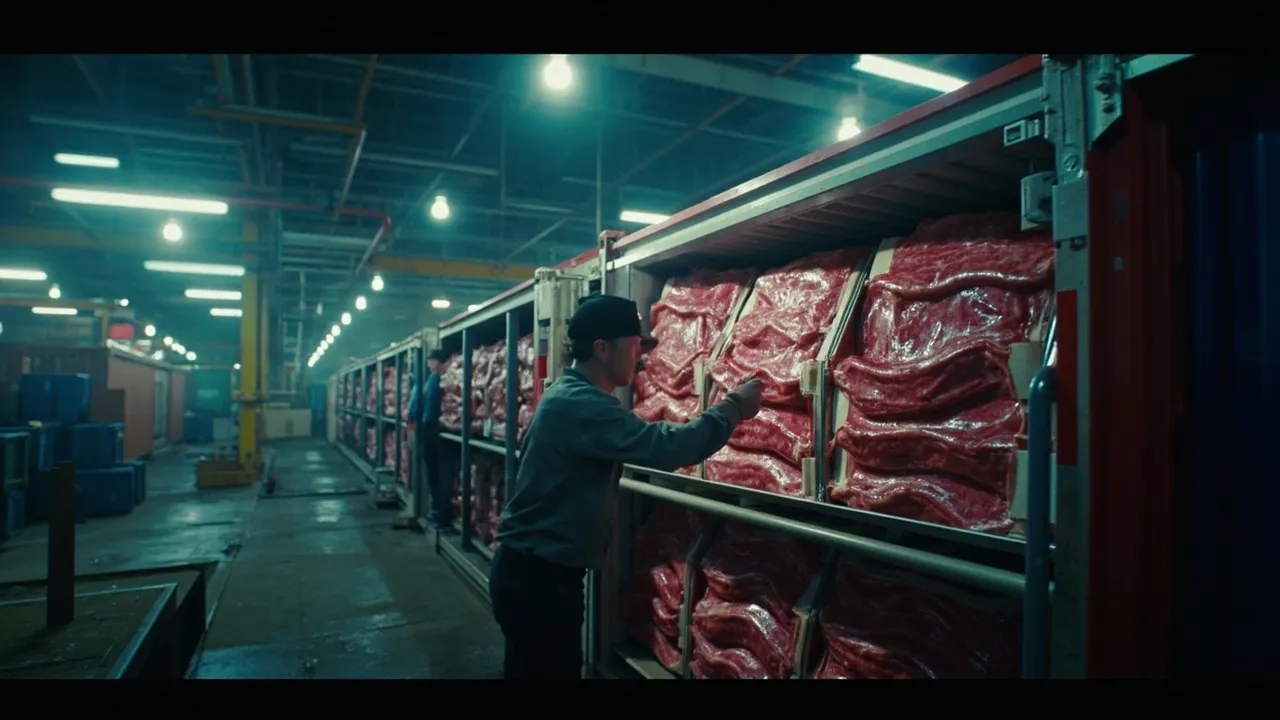
The 300,000-Metric-Ton Beef Tariff Quota Is a Cold-Chain Allocation Problem
The temporary beef tariff quota creates a 90-day race for reefer capacity, inspections, cold storage, and shipment-level landed-cost control.
CXTMS InsightsAugust 23, 2026 · 6 min read
Canada's 50% Tariff Raises the Stakes for Shipment-Level Origin Proof
A shipment-level origin evidence workflow can help importers control landed-cost shocks, customs delays, and audit risk under the new 50% tariff on Canadian goods.
CXTMS InsightsAugust 23, 2026 · 6 min read
Foodservice Distribution’s Next Upgrade Is a Case-Level Delivery Exception Record
Case-level delivery exception records connect warehouse picks, routes, proof of delivery, and credits to resolve foodservice shortages and damage faster.
CXTMS InsightsAugust 23, 2026 · 6 min read
Google Maps Large Vehicle Routing: The Dispatch Guardrails Truck Fleets Still Need
Google Maps now supports truck-aware routing, but fleets still need TMS controls for equipment, hazmat, permits, closures, and route exceptions.
CXTMS InsightsAugust 23, 2026 · 5 min read
ID Logistics’ $2.6 Million Settlement Is a Warning About Warehouse Labor Cost Evidence
The ID Logistics settlement shows why warehouse operators need traceable payroll, shift, site, and cost-center evidence for relief claims and customer billing.
CXTMS InsightsAugust 23, 2026 · 6 min read