Insights
Industry insights, integration guides, and product updates from the CXTMS team.
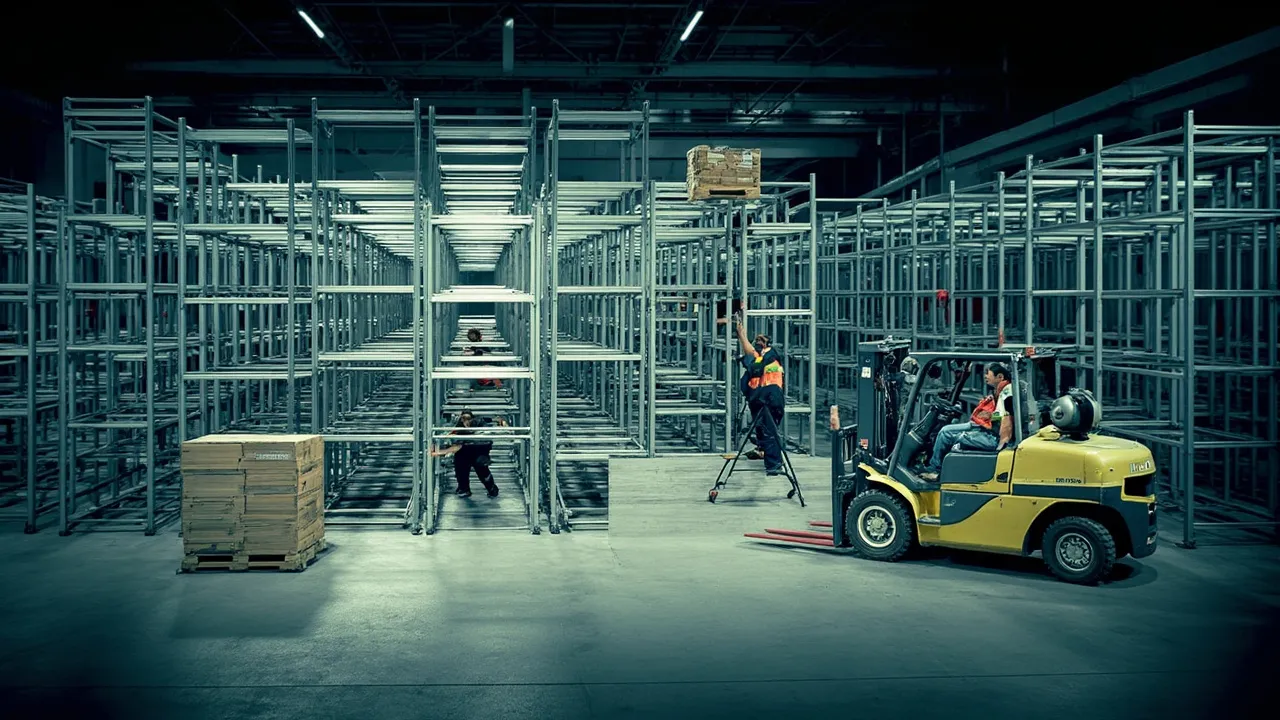
Temporary Racking for Global Events Needs a Reverse-Logistics Design on Day One
Temporary racking for major events needs a plan for installation, inspection, teardown, damage grading, return routing, refurbishment, and reuse.
 CXTMS InsightsOctober 12, 20266 min read
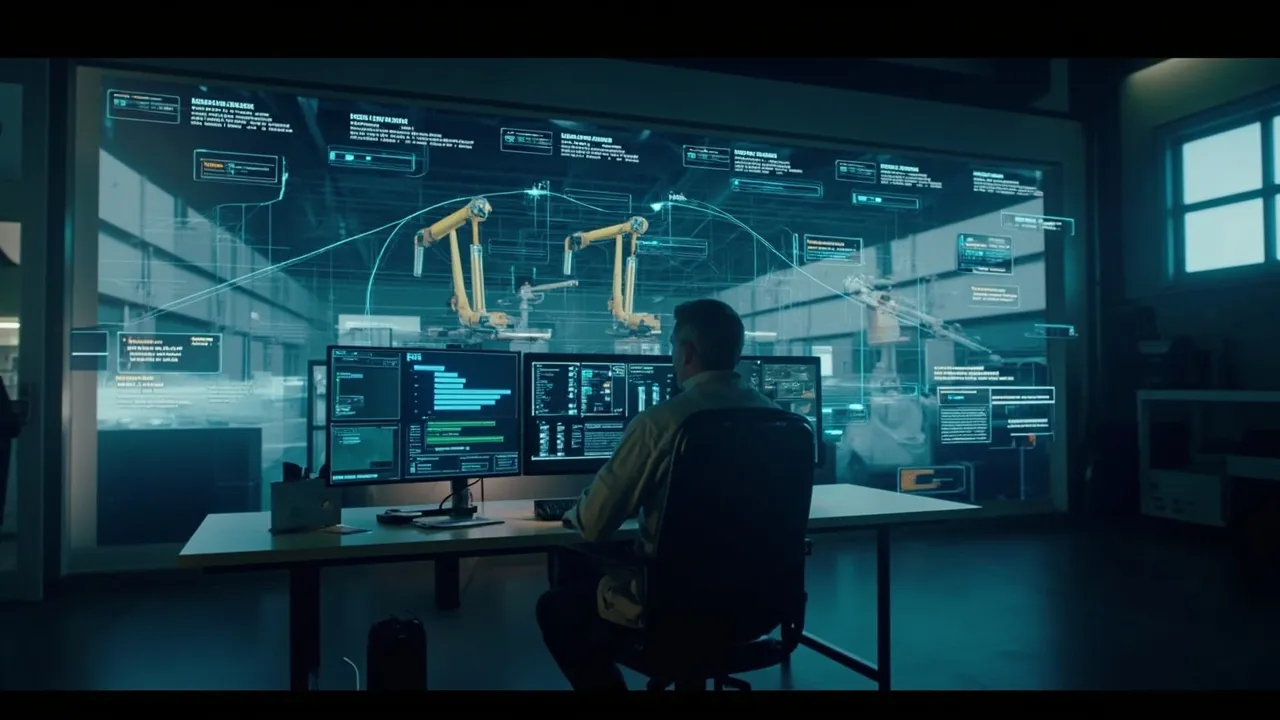
AI Bills of Materials: Know What Is Inside Every Logistics Decision Model
An AI bill of materials gives logistics teams the model, data, software, and vendor lineage needed to govern automated decisions and recover from failures.
CXTMS InsightsOctober 11, 2026 · 6 min read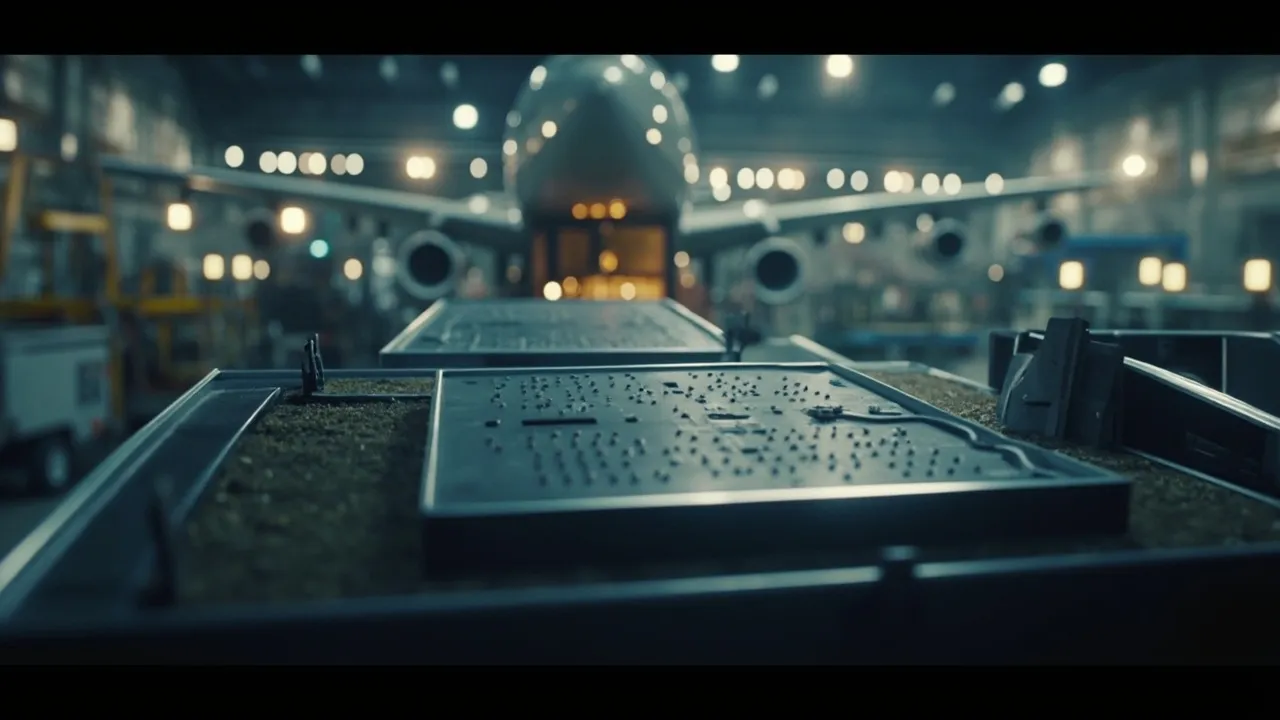
AI Chip Trade Is Lifting the 2026 Forecast: Plan Freight Around Value Density
AI chip trade is lifting the 2026 outlook, but high value density requires shipment-level choices for mode, security, insurance, inventory, and recovery.
CXTMS InsightsOctober 11, 2026 · 6 min read
AI Hardware Adds Transpacific Air Capacity—Qualify It Shipment by Shipment
A new weekly 747 freighter loop links Los Angeles and major Asian hubs. Learn how to qualify the capacity for AI hardware and semiconductor shipments.
CXTMS InsightsOctober 11, 2026 · 5 min read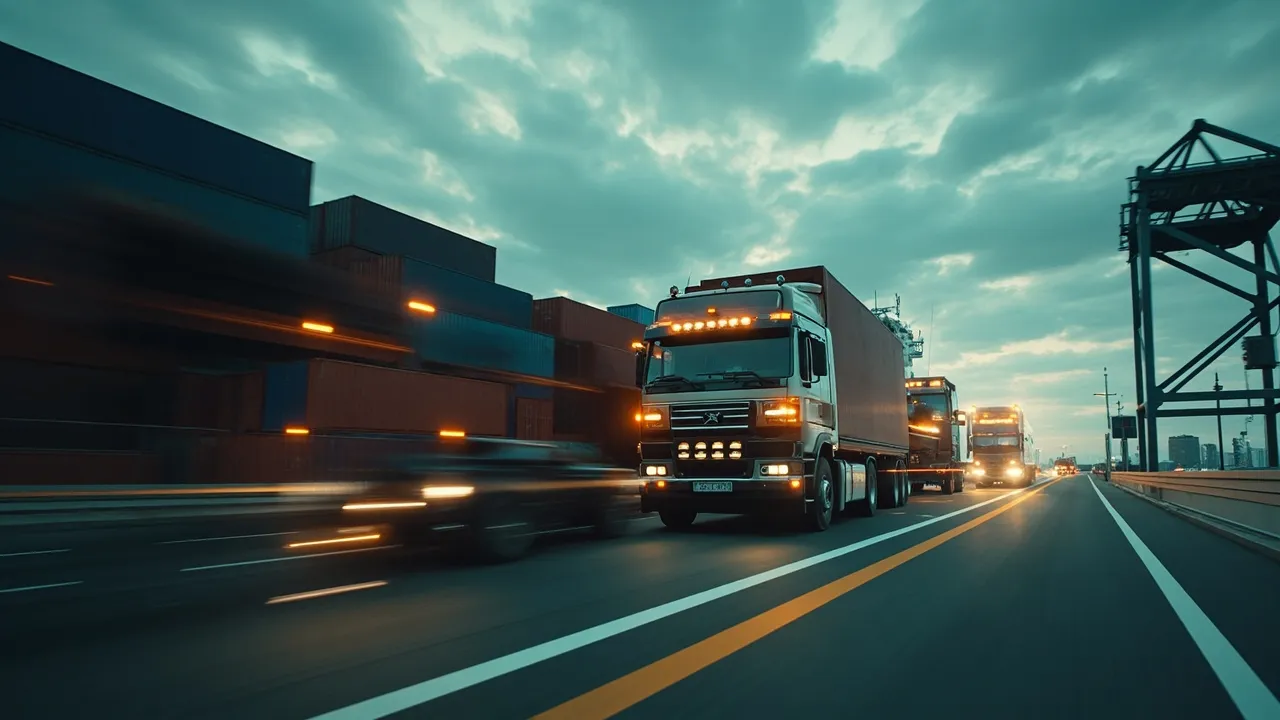
Cargo Risk Is Becoming Corridor-Specific: Build a Geopolitical Handoff Register
Learn how a geopolitical handoff register turns changing border, port, customs, security, and capacity risks into practical shipment controls.
CXTMS InsightsOctober 11, 2026 · 6 min read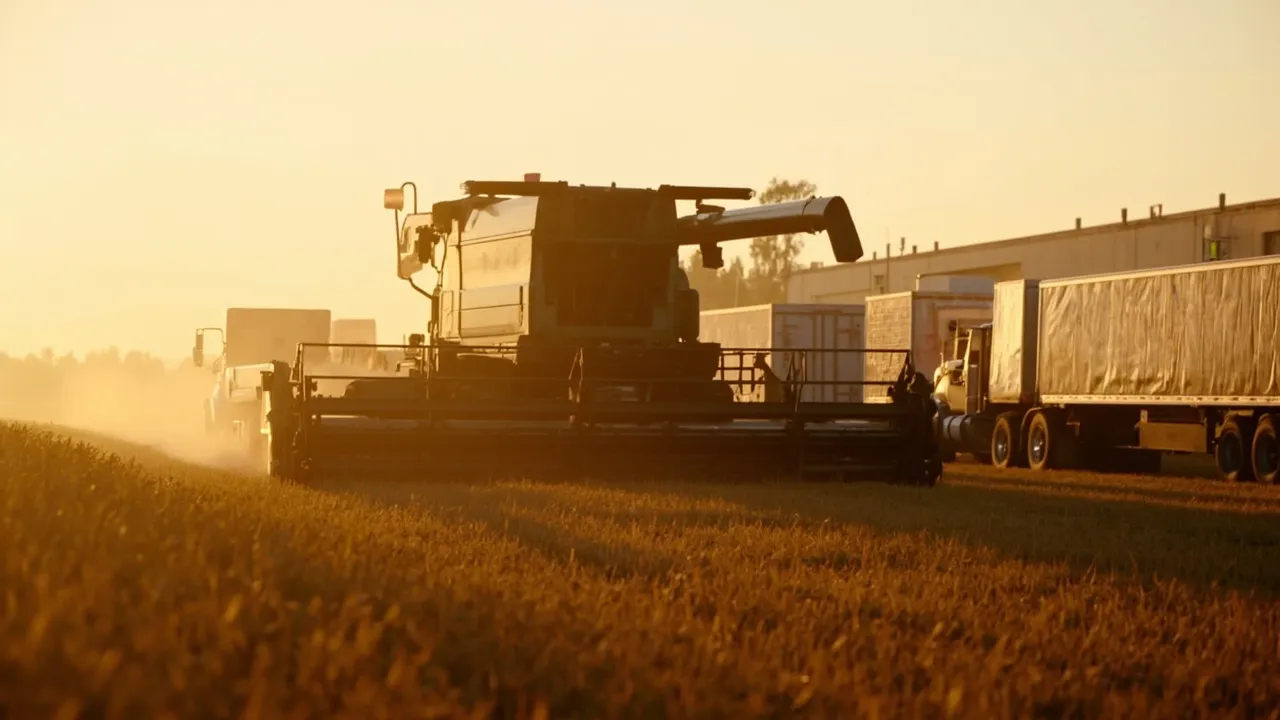
Farm Equipment Repair Barriers Are a Food-Supply Logistics Risk
Farm equipment repair delays can quickly disrupt harvest schedules, cold-chain intake, and contracted freight. Here is how logistics teams can plan around the risk.
CXTMS InsightsOctober 11, 2026 · 6 min read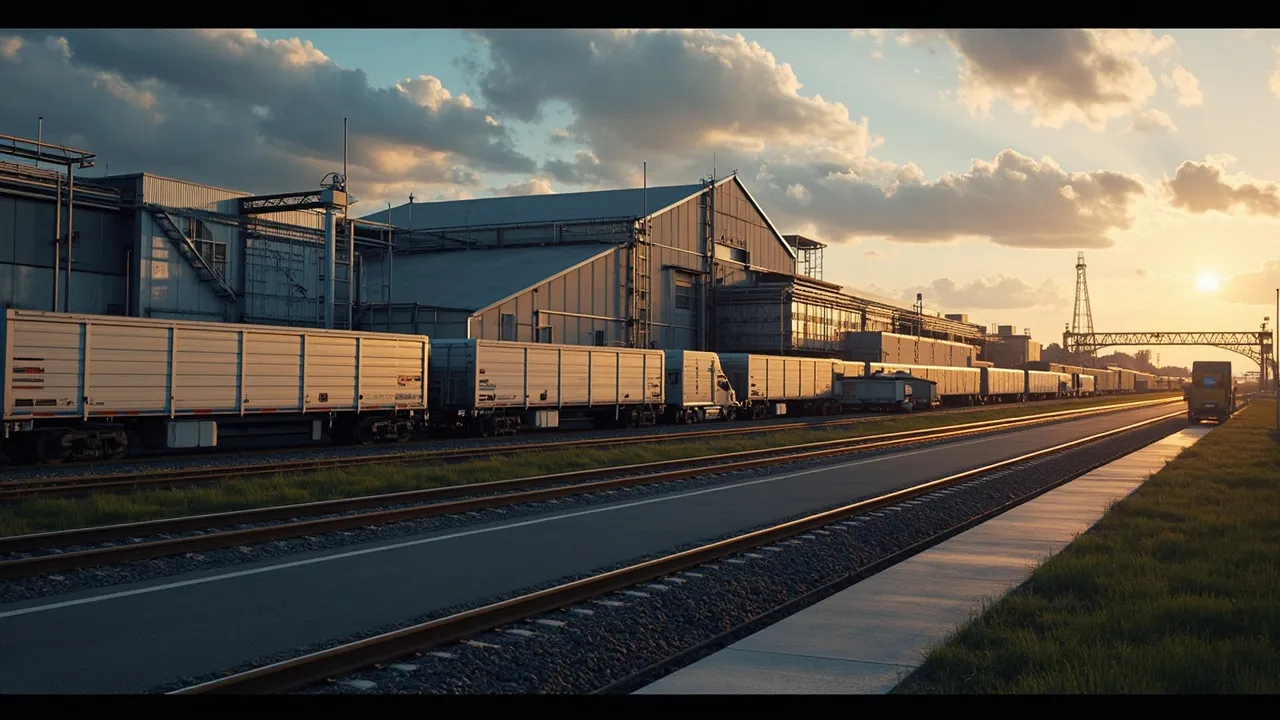
International Paper's Network Reset: Requalify Packaging Supply by Plant and Rail Lane
International Paper's network changes make plant-level packaging qualification essential. Learn how to evaluate capacity, rail access, transit, and recovery.
CXTMS InsightsOctober 11, 2026 · 6 min read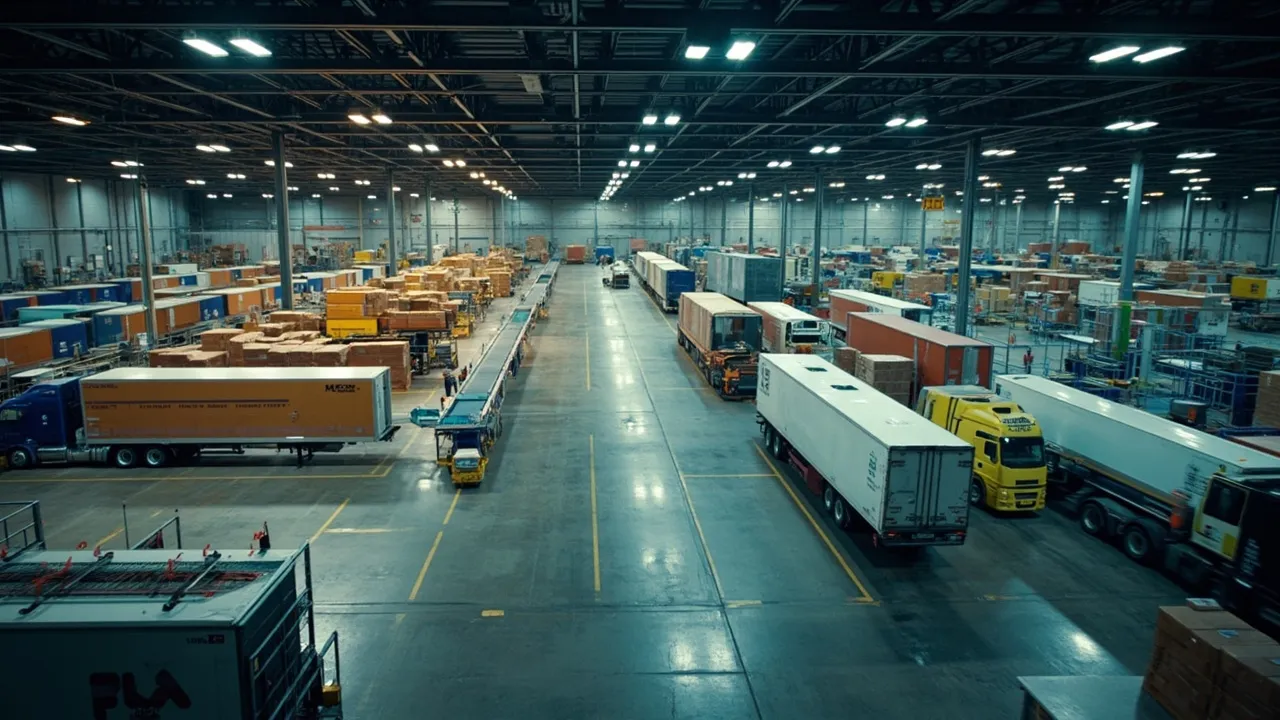
Peak Shipping Is Winding Down: Remove Seasonal Capacity Without Breaking Service
Peak shipping does not end everywhere at once. Use lane-level volume and service triggers to remove seasonal logistics capacity without causing a late service failure.
CXTMS InsightsOctober 11, 2026 · 6 min read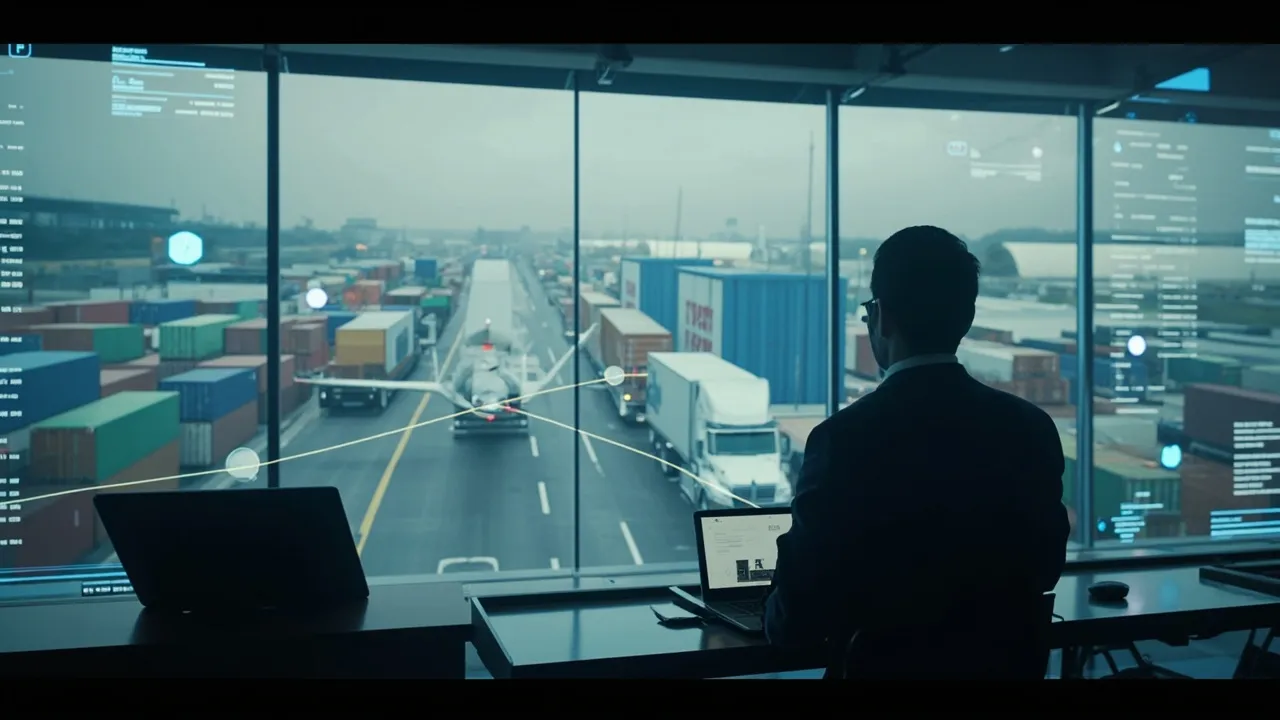
From Supply Chain Visibility to Autonomy: Define the Decisions Machines May Make
Move from supply chain visibility to safe autonomy by defining decision rights, confidence thresholds, cost limits, human overrides, and audit trails.
CXTMS InsightsOctober 11, 2026 · 6 min read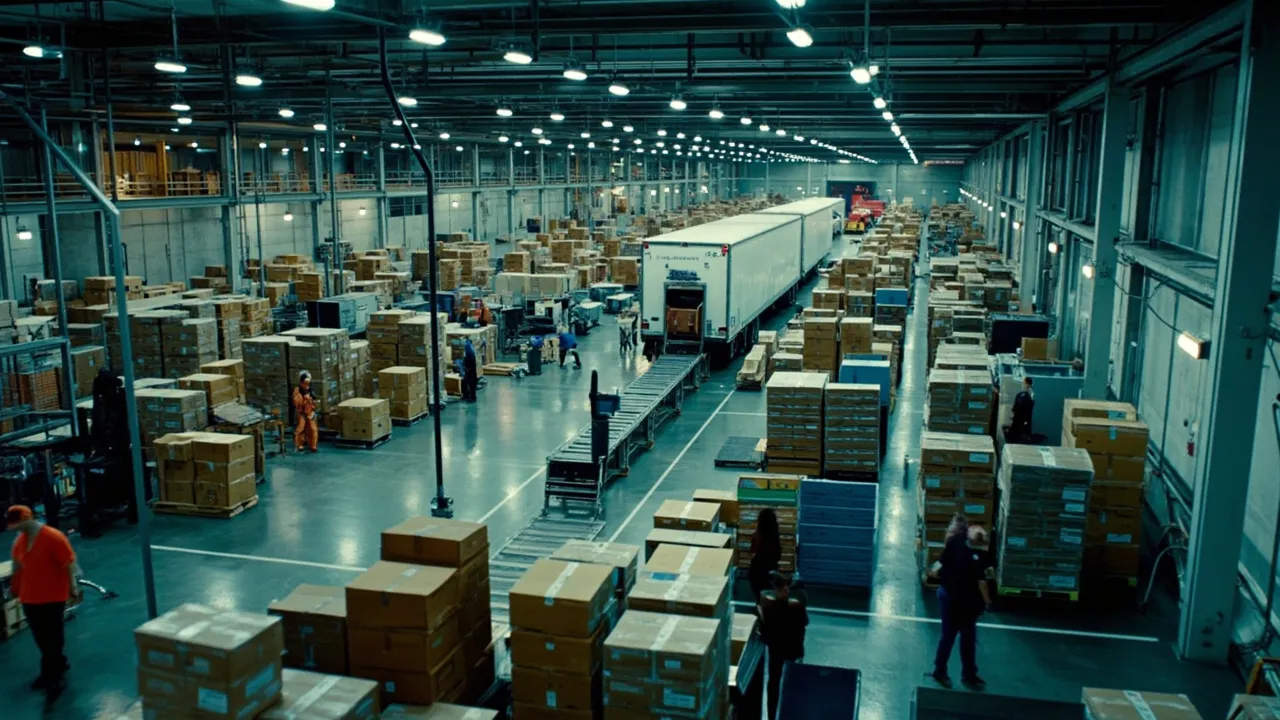
Walmart's Automated California Fulfillment Center Needs a Launch-Control Scorecard
Walmart's new automated Stockton fulfillment center shows why launch teams must measure customer-ready throughput, exceptions, and carrier departures—not robot speed alone.
CXTMS InsightsOctober 11, 2026 · 6 min read