Insights
Industry insights, integration guides, and product updates from the CXTMS team.

Ford and Micron Turn Automotive Memory Into a Long-Term Freight Commitment
Ford’s long-term semiconductor agreement with Micron shows why automotive memory procurement now requires capacity-backed forecasts, inbound milestones, and allocation controls.
 CXTMS InsightsAugust 17, 20266 min read
Four-Way Shuttle Warehouses Need an Interface Capacity Budget
Learn how to budget WMS, WCS, conveyor, lift, and exception-handling capacity so four-way shuttle warehouses deliver end-to-end throughput.
CXTMS InsightsAugust 17, 2026 · 6 min read
Port Clean-Energy Incentives Need Shipment-Level Eligibility Evidence
A shipment-level evidence workflow helps shippers, carriers, and drayage providers prove eligibility for clean-vessel and zero-emission truck incentives.
CXTMS InsightsAugust 17, 2026 · 6 min read
Target’s Inventory Digital Twin Needs a Physical-to-System Reconciliation Loop
Turn retail inventory digital twins into trusted decision systems with event-level reconciliation, confidence thresholds, and accuracy and latency KPIs.
CXTMS InsightsAugust 17, 2026 · 6 min read
Trucking Private Equity Deals Need a Freight-Asset Utilization Test
A practical diligence model for testing fleet age, empty miles, terminal density, maintenance obligations, and integration risk before a trucking acquisition.
CXTMS InsightsAugust 17, 2026 · 6 min read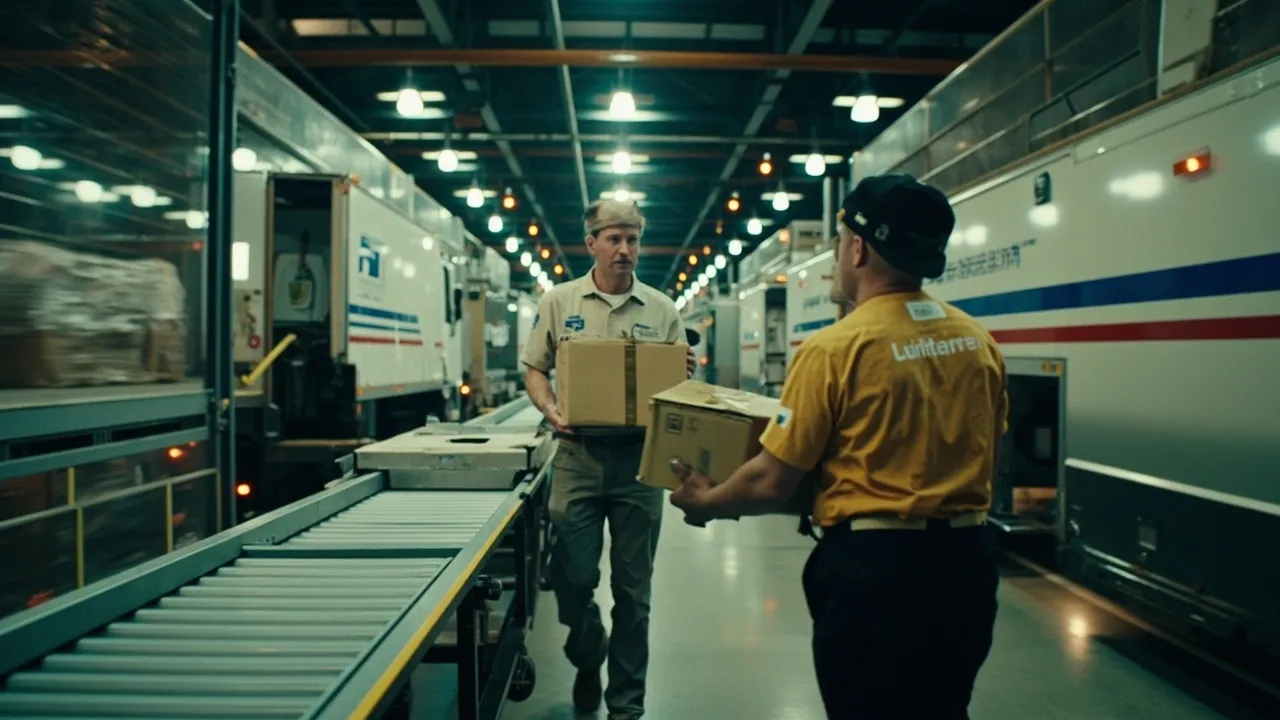
USPS–UPS Volume Is Raising Postal Transport Costs: Build a Tender-Level Cost Ledger
USPS and UPS network changes show why parcel shippers need a tender-level cost ledger to connect transportation expense, service, and profitability.
CXTMS InsightsAugust 17, 2026 · 6 min read
DHL’s Shenzhen Expansion Makes Air Cargo Capacity a Booking-Control Question
DHL’s expanded Shenzhen gateway adds major processing capacity, but forwarders still need booking controls that connect space, cutoffs, flight schedules, and recovery performance.
CXTMS InsightsAugust 16, 2026 · 6 min read
100% Drone Tariffs Turn Country-of-Origin Data Into a Logistics Control
New 100% drone tariffs make country-of-origin evidence a shipment-release requirement across purchasing, customs, and transportation operations.
CXTMS InsightsAugust 16, 2026 · 6 min read
Ford’s Lincoln Sourcing Shift Creates a Vehicle Supply Chain Cutover Problem
Ford’s planned shift away from China-built Lincoln models shows why automotive sourcing changes require VIN-level inventory, parts, and logistics controls.
CXTMS InsightsAugust 16, 2026 · 6 min read
Foreign Investment Is Exposing the Missing Links in U.S. Industrial Logistics
Foreign manufacturing investment can expose weak supplier, utility, warehouse, and freight links. Here is a practical readiness scorecard for industrial sites.
CXTMS InsightsAugust 16, 2026 · 5 min read