Insights
Industry insights, integration guides, and product updates from the CXTMS team.
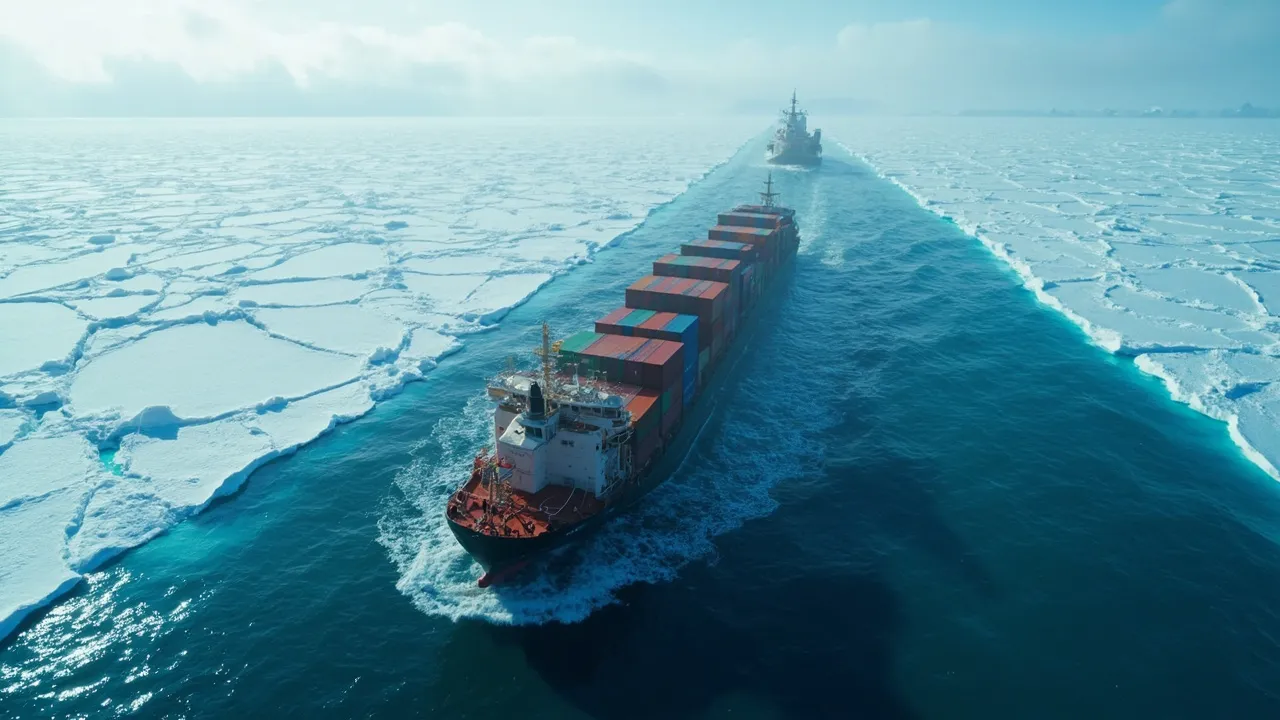
Arctic Shipping Ambitions Need a Seasonal Lane-Qualification Model
Arctic routes should be managed as expiring, season-specific freight options scored for ice, vessel, insurance, rescue, and recovery risk.
 CXTMS InsightsOctober 23, 20266 min read
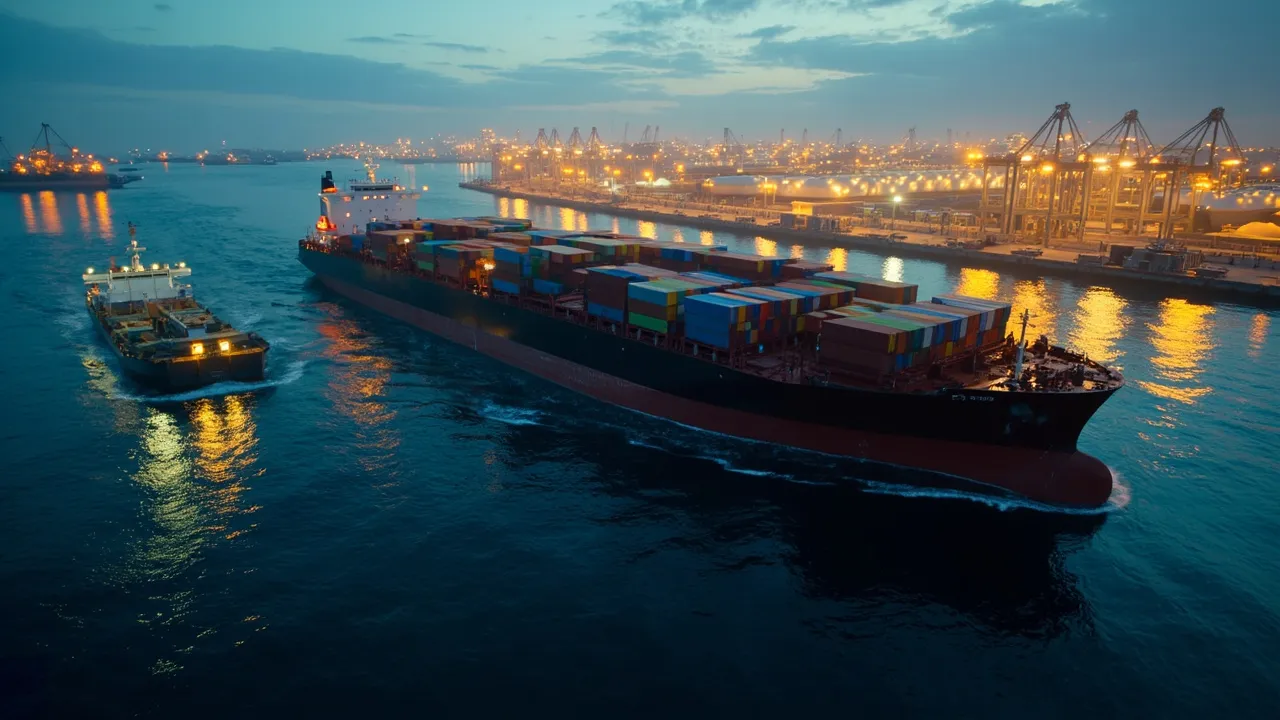
A 500-Vessel Dual-Fuel Fleet Still Needs Fuel-by-Port Execution Data
Dual-fuel ships only reduce emissions when ports can supply the right certified fuel. A fuel-by-port execution record turns vessel capability into auditable results.
CXTMS InsightsOctober 23, 2026 · 6 min read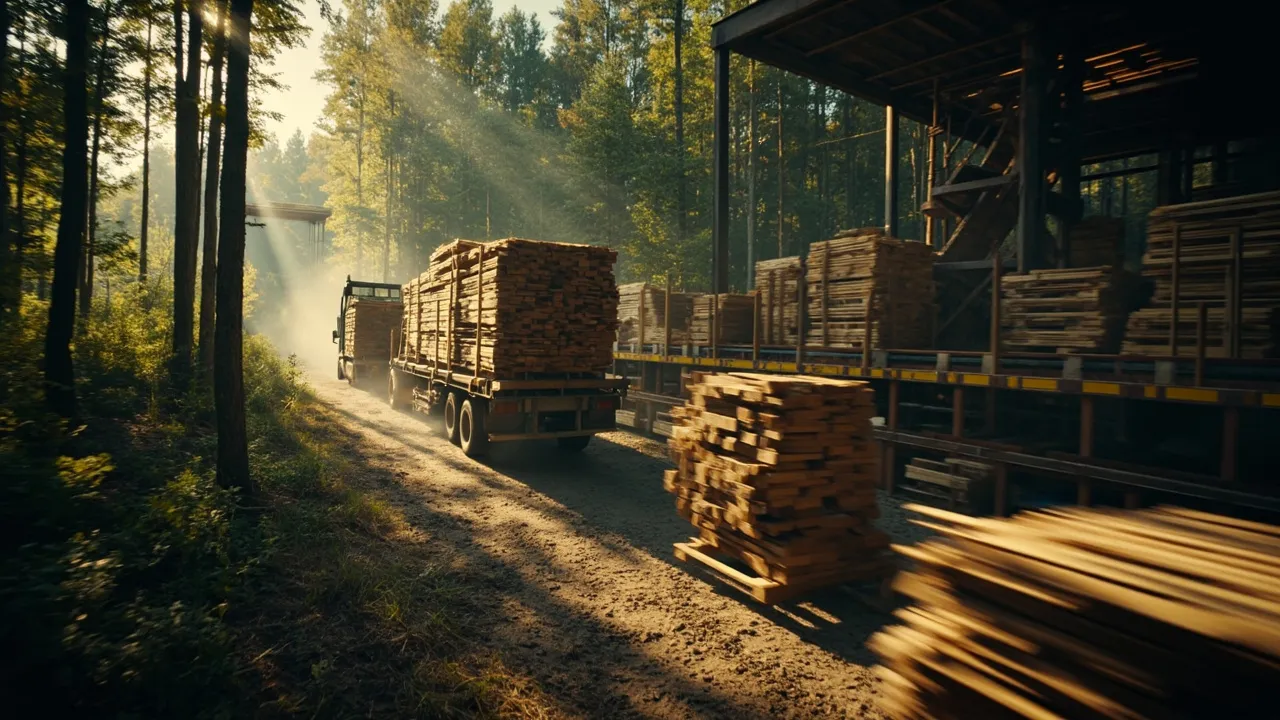
Ikea’s Wood-Sourcing Scrutiny Calls for a Forest-to-Furniture Chain of Custody
Forest-to-furniture chain-of-custody controls can connect timber origin, certification, processing, and transport evidence before an order ships.
CXTMS InsightsOctober 23, 2026 · 6 min read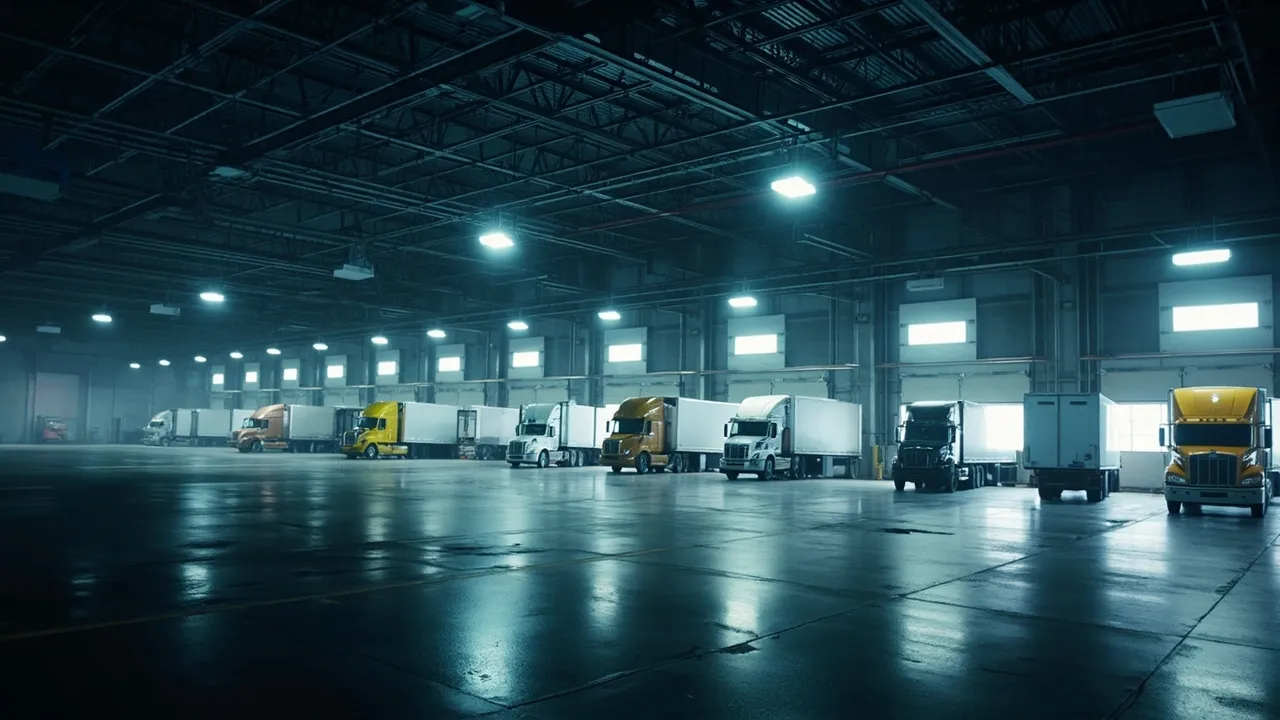
Falling Warehouse Vacancies Change the 2027 Capacity-Buying Window
Falling industrial vacancy and stronger absorption mean logistics teams should set market-level triggers for securing warehouse capacity before 2027 demand arrives.
CXTMS InsightsOctober 23, 2026 · 6 min read
Italy’s Trucker Aid Restored Food Deliveries—Now Measure the Cost of Recovery
Italy’s trucker-aid response restored food flows, but shippers still need to measure backlog, spoilage, premiums, subsidies, and lane-level recovery costs.
CXTMS InsightsOctober 23, 2026 · 6 min read
Modelo’s Inventory Recovery Shows Why ‘Back in Stock’ Is Not the Finish Line
Modelo’s distributor inventory recovery shows why beverage companies need market-level proof of shelf availability, freshness, and replenishment performance.
CXTMS InsightsOctober 23, 2026 · 6 min read
Nestlé’s Ohio Factory Closure Needs a 2027 Customer-and-Lane Exit Plan
Nestlé’s planned Solon factory closure needs a phased control plan for production transfers, inventory, customers, freight lanes, and stranded commitments.
CXTMS InsightsOctober 23, 2026 · 6 min read
September Truck Tonnage Rose—But Capacity Decisions Need Lane-Level Proof
September truck tonnage improved, but national averages cannot prove that an individual lane needs more capacity. Use lane-level evidence before changing commitments.
CXTMS InsightsOctober 23, 2026 · 6 min read
Shipping Markets Are Moving Faster Than Annual Models—Version the Assumptions
Freight plans need versioned assumptions, expiry dates, materiality thresholds, and a decision trail when rates, capacity, fuel, and service conditions change.
CXTMS InsightsOctober 23, 2026 · 6 min read
The First Ammonia-Powered Dry-Bulk Trial Turns Alternative Fuel Into a Voyage Control
The first ammonia-powered dry-bulk sea trial shows why fuel readiness must become a voyage-level control spanning bunkering, safety, range, cargo, and emissions.
CXTMS InsightsOctober 22, 2026 · 6 min read