Insights
Industry insights, integration guides, and product updates from the CXTMS team.
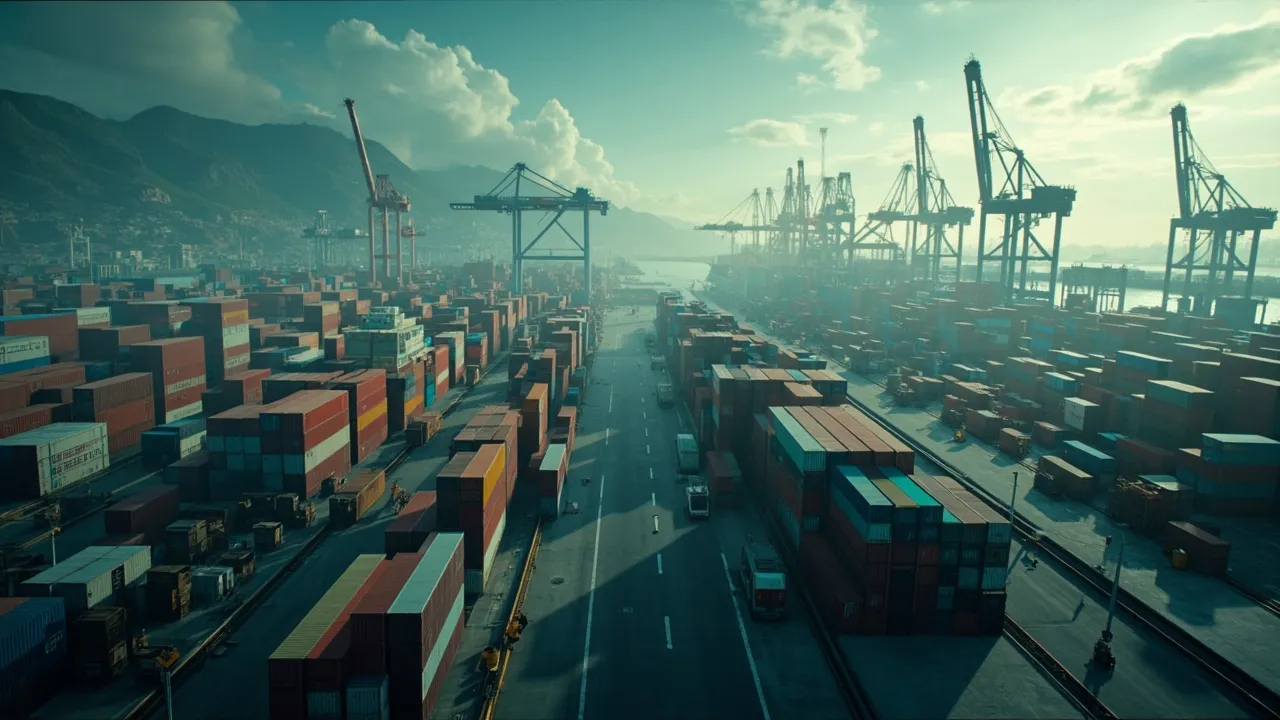
China and South Korea Just Built a Supply Chain Hotline for Rare Earths, Batteries, and Chips
China and South Korea have agreed to activate direct communication channels during logistics delays or raw material shortages, a move with real implications for rare earths, batteries, and semiconductor supply chains.
 CXTMS InsightsApril 11, 20267 min read
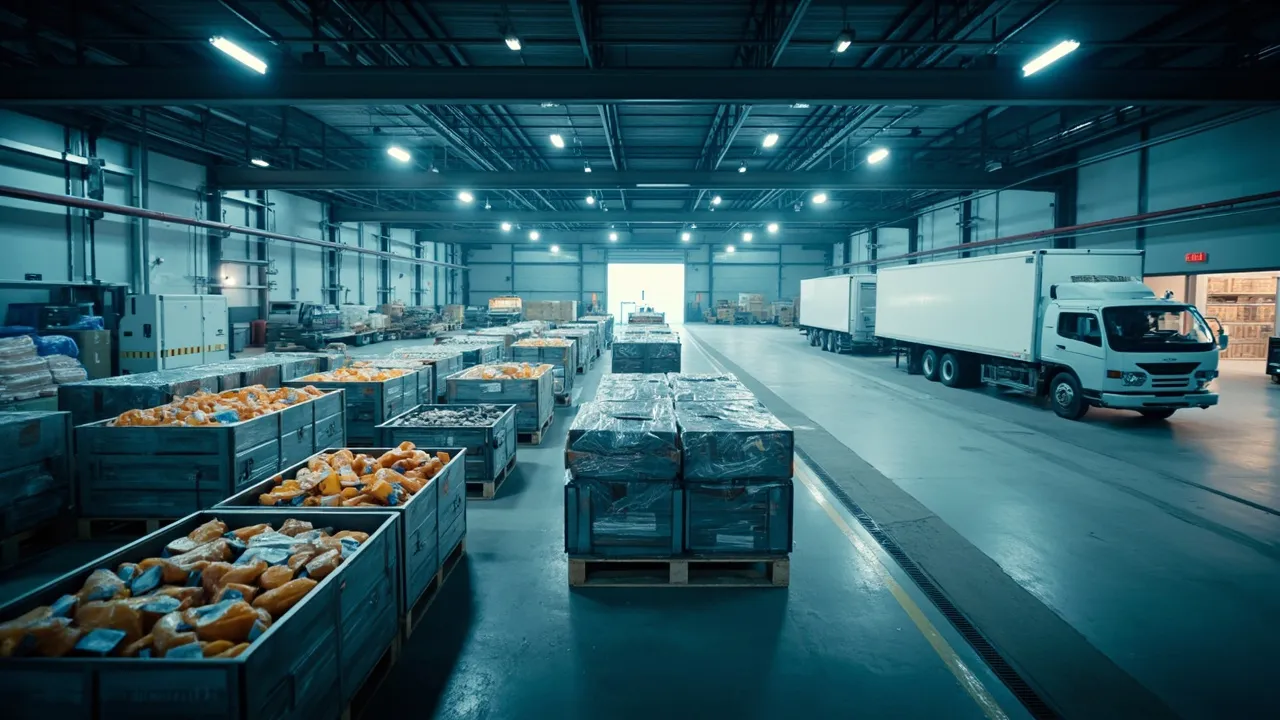
Hormel’s AI Planning Platform Spans 70 Sites. Food Shippers Should Steal the Playbook.
Hormel rolled out AI planning across more than 70 dry and refrigerated sites. The move says a lot about what modern food logistics now requires.
CXTMS InsightsApril 11, 2026 · 6 min read
McKinsey’s 2026 Geometry of Global Trade Update Shows Supply Chains Rewiring by Corridor, Not Country
McKinsey’s 2026 trade update makes a sharp point for logistics teams: global supply chains are not simply decoupling by country, they are being rebuilt corridor by corridor.
CXTMS InsightsApril 11, 2026 · 6 min read
NY Fed Supply Chain Pressure Index Hits 0.68. The Easy Normalization Story Is Over.
The New York Fed’s March 2026 supply chain pressure reading rose to 0.68, a sign that shippers should stop assuming disruption risk and inflation pressure are behind them.
CXTMS InsightsApril 11, 2026 · 6 min read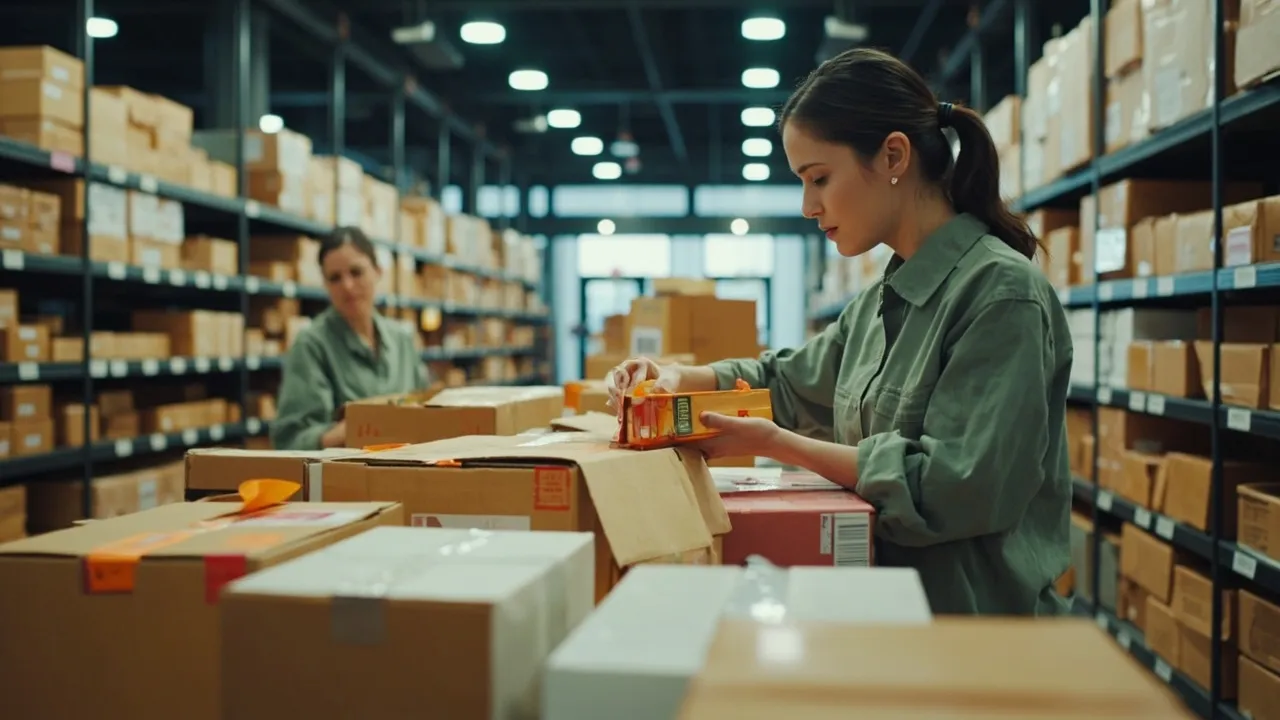
Ulta Scaled Ship-From-Store to 1,000 Locations. Beauty Logistics Just Got a Lot Faster.
Ulta’s jump from about 500 to more than 1,000 ship-from-store locations shows how AI-powered order management can unlock faster fulfillment without a major DC expansion.
CXTMS InsightsApril 11, 2026 · 7 min read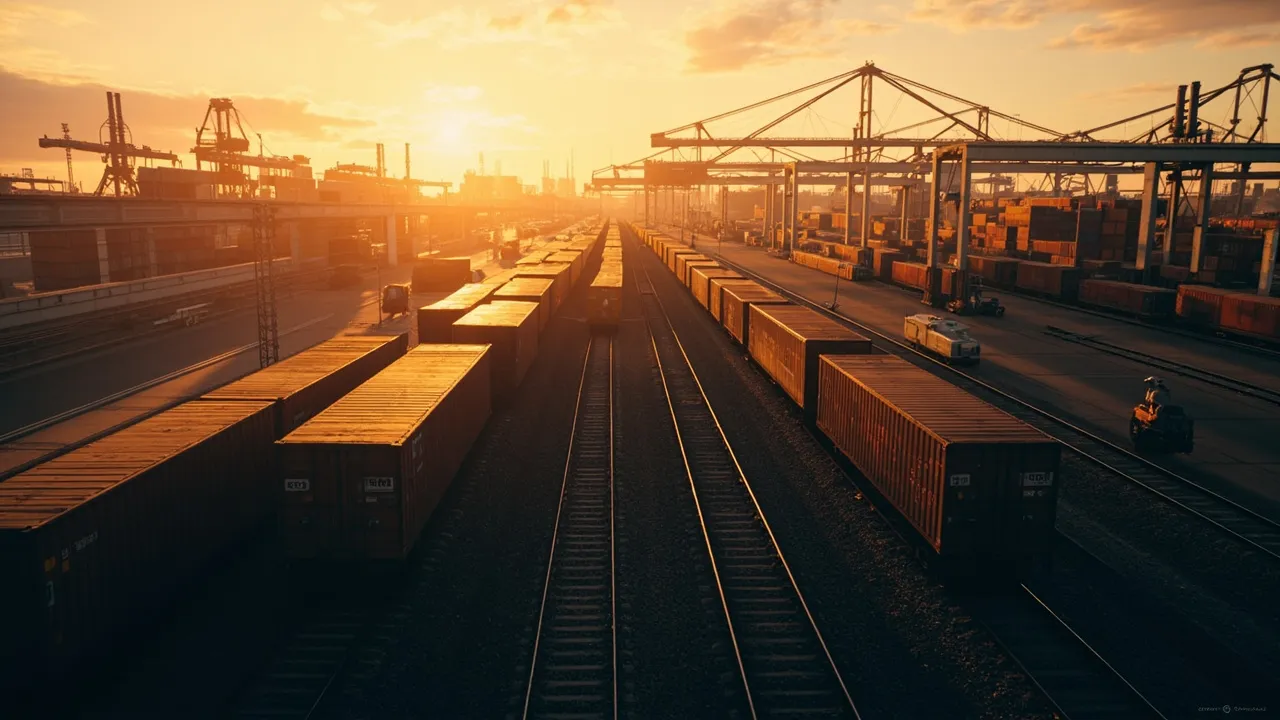
Union Pacific and Norfolk Southern Could Create a 50,000-Mile Rail Giant. Shippers Should Pay Attention.
A Union Pacific-Norfolk Southern tie-up would reshape U.S. rail competition, procurement leverage, and contingency planning for shippers across major freight corridors.
CXTMS InsightsApril 11, 2026 · 6 min read
UPS Is Using AI for Shipper Pricing and Customs Clearance, Not Just Chatbots
UPS is putting AI to work in pricing, customs clearance, and network simulation. That matters because parcel AI is finally moving from demos into freight operations.
CXTMS InsightsApril 11, 2026 · 6 min read
Walmart’s Illinois Fulfillment Center Closure Signals the Real NextGen Network Strategy
Walmart’s Matteson closure is not a retreat. It is a sharper bet on automated network concentration, lower cost-to-serve, and fewer redundant fulfillment nodes.
CXTMS InsightsApril 11, 2026 · 6 min read
The Hidden 5% Hiding in Your Freight Invoices: How AI Freight Audit Is Recovering Real Money for Shippers in 2026
Most shippers are losing 1-5% of their total freight spend to uncaught billing errors. AI-powered freight audit is changing that—and fast.
CXTMS InsightsApril 10, 2026 · 7 min read
The Echo Global-ITS Acquisition Reshapes the 3PL Landscape: What a $5.2 Billion Platform Means for Shippers
Echo Global Logistics' $5.2 billion acquisition of ITS Logistics creates one of the largest AI-enabled 3PL platforms in North America. Here's what it means for mid-market shippers navigating a rapidly consolidating brokerage landscape.
CXTMS InsightsApril 10, 2026 · 5 min read