Insights
Industry insights, integration guides, and product updates from the CXTMS team.

Why Vertical Integration Is Back in Retail Supply Chains
Somnigroup’s planned $2.5 billion acquisition of Leggett & Platt shows why retailers and consumer brands are pulling critical manufacturing closer to control lead times, protect margins, and reduce supplier risk.
 CXTMS InsightsApril 25, 20266 min read

Tractor Supply’s Final-Mile Hub Model Shows How Rural Delivery Networks Scale Without Killing Margin
Tractor Supply’s expanding hub-based delivery model shows how retailers can scale rural final mile by improving density, controlling bulky-order execution, and reducing cost per delivery.
CXTMS InsightsApril 25, 2026 · 6 min read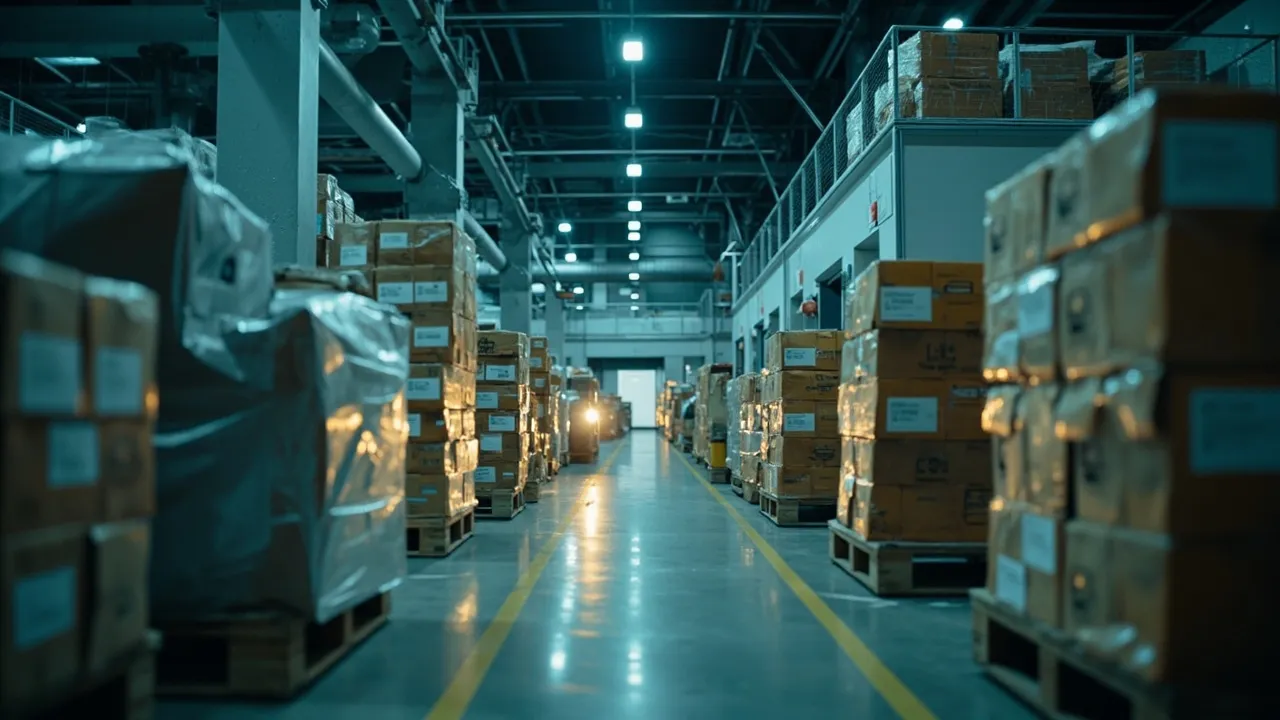
Cross-Border Parcel Just Got Pricier Again: What UPS’s New Emergency Fee Means for Import and Export Teams
UPS’s new emergency fee adds another fast-moving cost layer to cross-border parcel shipping, forcing importers and exporters to tighten surcharge modeling, landed-cost controls, and customer price pass-through.
CXTMS InsightsApril 25, 2026 · 6 min read
AI Is Increasing Retailer Chargebacks, and That’s Becoming a Logistics Problem
Retailer deductions are getting more frequent and harder to dispute as AI sharpens compliance enforcement. That turns ASN accuracy, labeling, routing, and proof-of-delivery quality into margin protection issues for logistics teams.
CXTMS InsightsApril 24, 2026 · 7 min read
Alaska Airlines’ Amazon Cargo Upgrade Shows Why Dedicated Air Capacity Is Getting More Strategic
Alaska Air’s revised Amazon freighter deal is a sharp reminder that dedicated air capacity is no longer just emergency lift. It is becoming a network design decision tied to margin, resilience, and service guarantees.
CXTMS InsightsApril 24, 2026 · 6 min read
Broken Customer Portals Are Becoming a Hidden Supply Chain Reliability Problem
Supplier and carrier portals now sit in the critical path of booking, tracking, and billing. When those portals break, logistics teams lose visibility, create manual workarounds, and absorb avoidable operating cost.
CXTMS InsightsApril 24, 2026 · 6 min read
Supply Chains Need a Common Digital Language Before They Need More AI
AI can accelerate planning and execution, but only if ERP, WMS, TMS, and supplier systems describe the same events, products, and exceptions the same way. Without a common digital language, companies scale noise instead of intelligence.
CXTMS InsightsApril 24, 2026 · 6 min read
Embedded Freight Intelligence Products Are Starting to Reshape Transportation Decisions Mid-Week, Not Month-End
Freight intelligence is moving out of static dashboards and into decision-ready operating workflows. That shift is helping transportation teams react faster to capacity, pricing, and service changes before month-end reviews arrive too late.
CXTMS InsightsApril 24, 2026 · 6 min read
First-Mile Visibility in Soft Commodities Is Still the Hardest Supply Chain Blind Spot
Soft commodities still disappear into the first mile long before they ever reach a port, warehouse, or distribution center. Here is why fragmented origin data keeps creating forecasting, quality, and ESG risk, and what logistics teams can do about it.
CXTMS InsightsApril 24, 2026 · 6 min read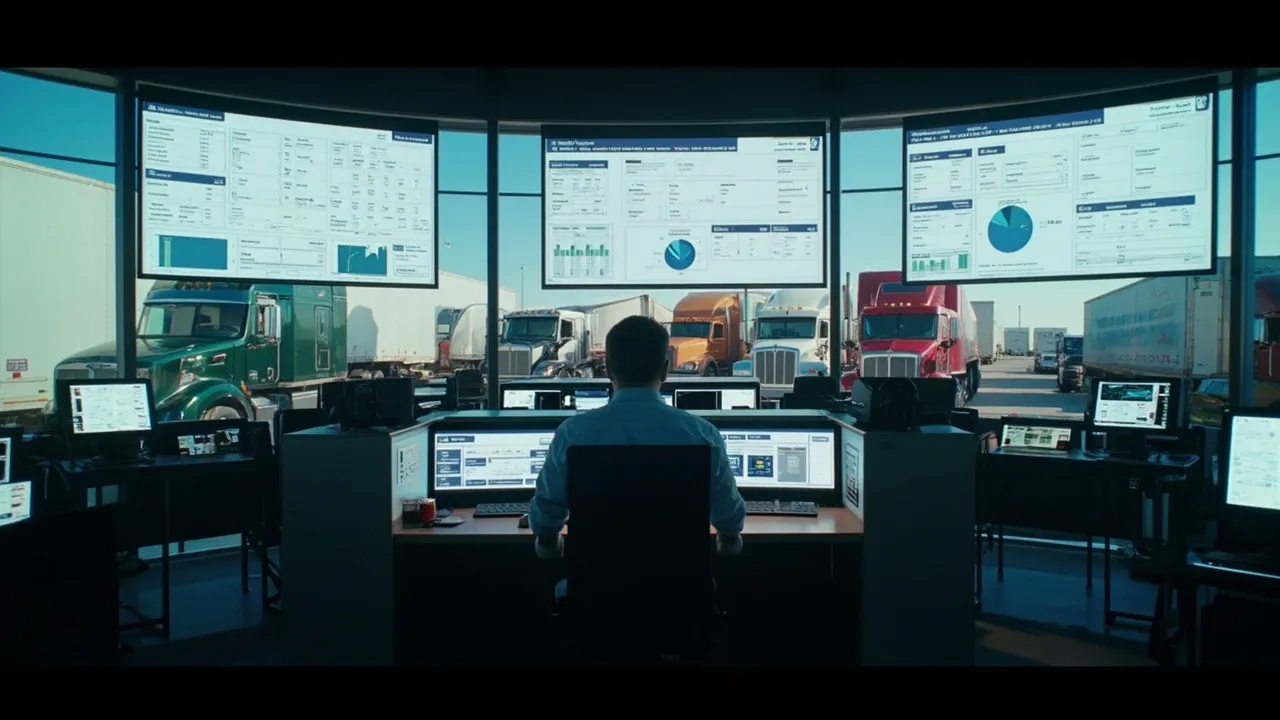
Freight Factoring Is Turning Into a Real-Time Stress Signal for the Trucking Market
Freight factoring is no longer just a finance tool for small carriers. Payment velocity, invoice quality, and factoring demand now offer an early warning system for trucking-market stress before traditional rate indexes fully catch up.
CXTMS InsightsApril 24, 2026 · 6 min read