Insights
Industry insights, integration guides, and product updates from the CXTMS team.

Shippers Are Expanding 3PL Use, but the Relationship Model Is Changing
3PL outsourcing is moving from transactional capacity buying to strategic, technology-enabled relationship governance. Here is what shippers need to control.
 CXTMS InsightsJune 4, 20266 min read
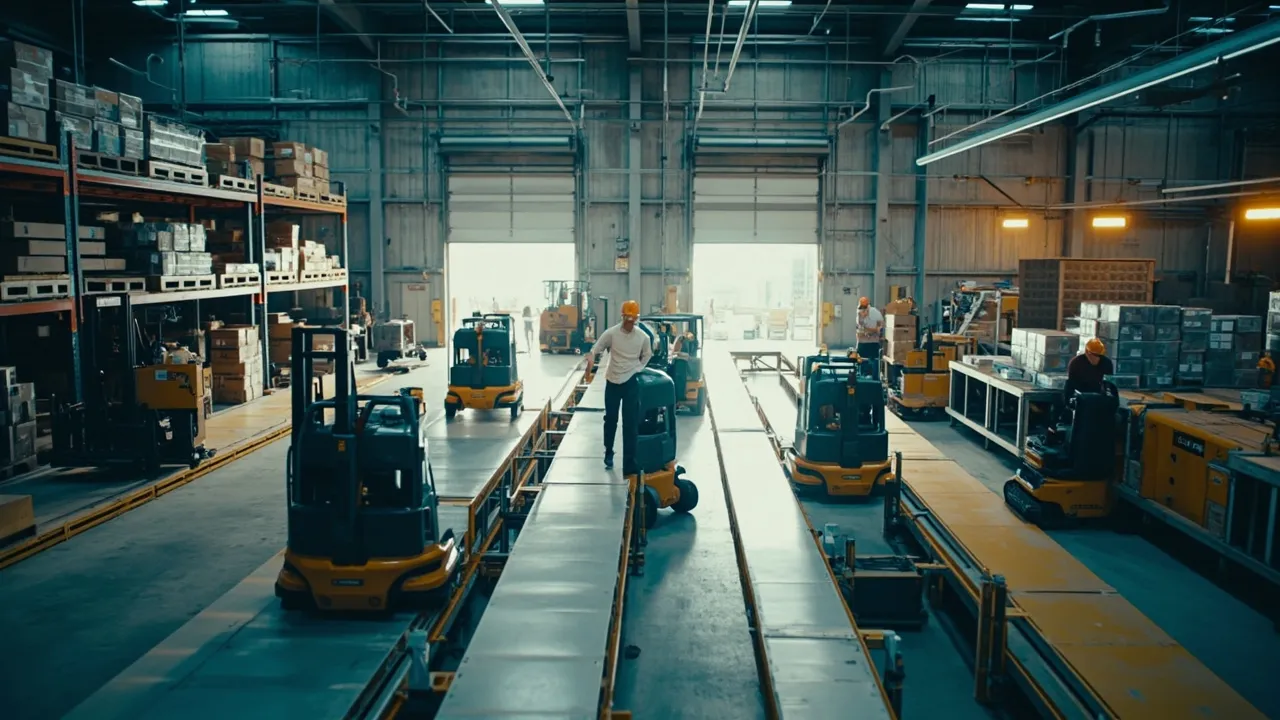
Brownfield Warehouse Modernization Is Beating Big-Bang Automation in 2026
Brownfield warehouse modernization is gaining ground as logistics teams use orchestration, WMS fixes, and targeted robotics to unlock capacity without full network resets.
CXTMS InsightsJune 4, 2026 · 7 min read
Cold Chain Mapping Has to Move Faster Than the Network Changes
Cold chain mapping is no longer a static planning exercise. Food logistics teams need live network visibility across storage, reefer capacity, dwell risk, and partner performance.
CXTMS InsightsJune 4, 2026 · 6 min read
Forced-Labor Tariffs Are Turning Origin Proof Into a Daily Logistics Control
Proposed forced-labor tariffs across 60 economies show why origin proof, labor-risk documentation, and customs exception workflows now belong inside daily logistics execution.
CXTMS InsightsJune 4, 2026 · 6 min read
Freight Market Intelligence Is Becoming a Morning Operating Ritual
Freight market intelligence is becoming a daily operating discipline as rates, weather, tariffs, and carrier capacity shift faster than monthly reviews can handle.
CXTMS InsightsJune 4, 2026 · 7 min read
Robotics Adoption Has Crossed the Warehouse Mainstream Line
Warehouse robotics adoption has moved past pilots. Logistics leaders now need orchestration, maintenance discipline, and integration that turns robot fleets into execution performance.
CXTMS InsightsJune 4, 2026 · 6 min read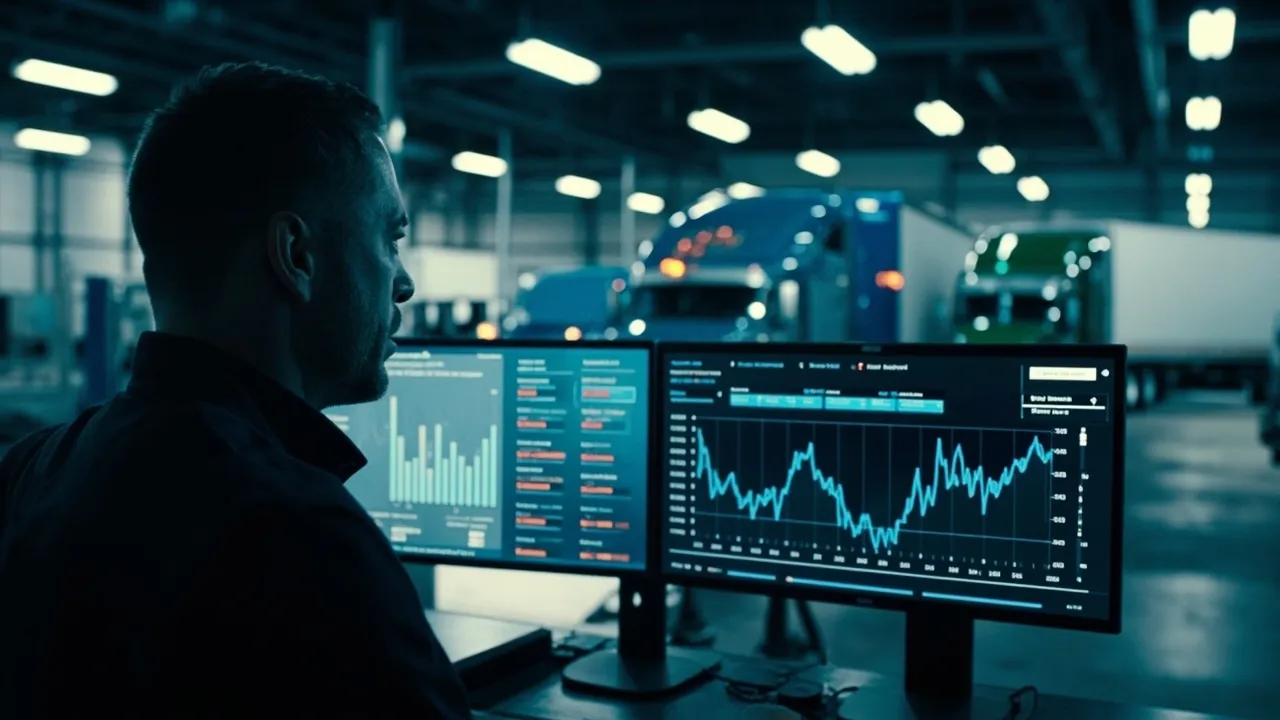
Q2 Freight Brokerage Rates Need a Strategy, Not a Guess
Q2 freight brokerage rates are moving through a capacity-sensitive market. Brokers and shippers need lane-level rate strategy, not static assumptions.
CXTMS InsightsJune 4, 2026 · 7 min read
Lower Steel and Aluminum Tariffs Now Require Better Supplier Documentation
Steel and aluminum tariff relief for qualifying Canada and Mexico producers turns supplier documentation, HS codes, raw-material records, and shipment audit trails into daily logistics controls.
CXTMS InsightsJune 4, 2026 · 7 min read
Summer Logistics Pressure Is Forcing Shippers to Maximize Every Mile
Summer logistics pressure is pushing shippers toward denser consolidated loads, dynamic cutoffs, mode switching, and tighter exception planning.
CXTMS InsightsJune 4, 2026 · 7 min read
Automation Does Not Make Supply Chains Fragile. Bad Integration Does.
Supply chain automation only improves resilience when alerts, escalation paths, ownership, and freight execution workflows are integrated.
CXTMS InsightsJune 4, 2026 · 7 min read