Packaged Goods Exceptions Need a True Cost-to-Serve Ledger

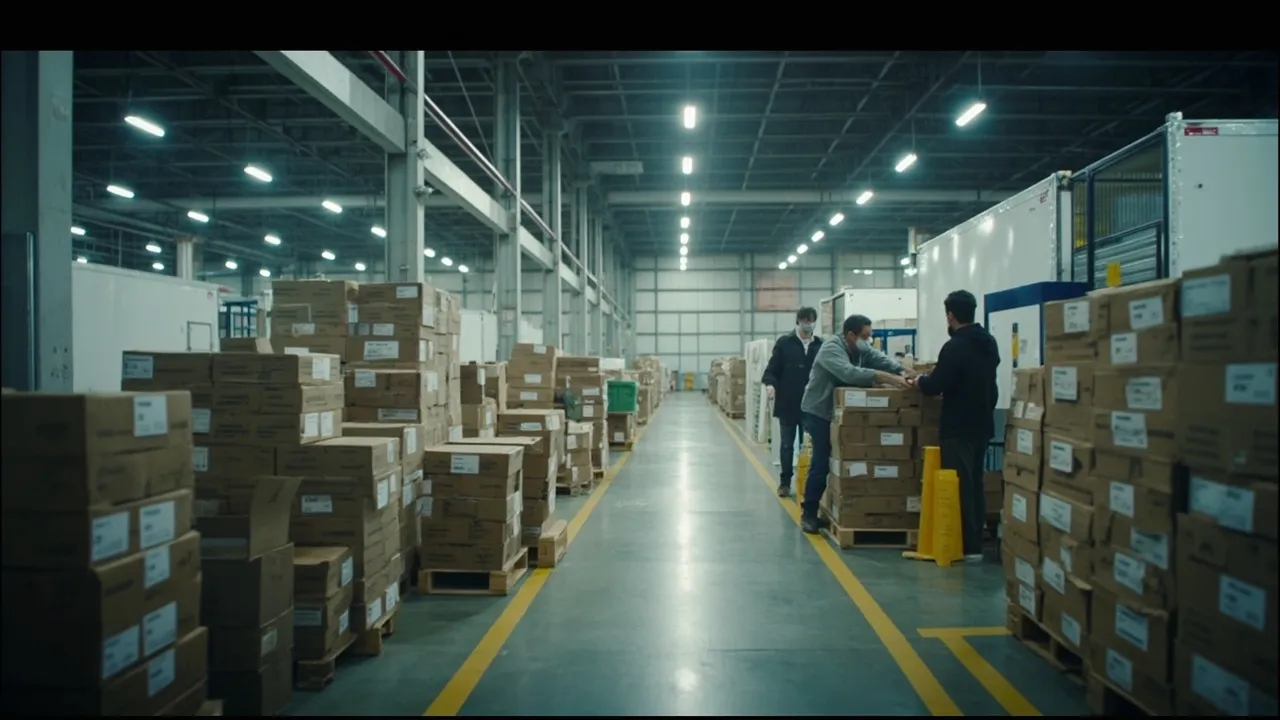
A customer asks for new carton labels after inventory has been staged. Another retailer requires a different pallet pattern. A promotion moves forward, creating a short-notice shipment and premium freight. Each request appears manageable on its own, so the work gets absorbed into warehouse labor, packaging supplies, accessorials, or the monthly transportation total.
That is how profitable-looking packaged goods accounts become expensive to serve.
SupplyChainBrain identifies repacking, relabeling, retailer-specific requirements, special handling, short-notice changes, and customer workarounds as exceptions that hide inside the supply chain. The operational lesson is straightforward: average freight spend cannot reveal which order created the extra work or whether the customer paid for it.
A true cost-to-serve ledger should connect every exception to the order, shipment, customer, activity, resource, and commercial agreement that produced it. That turns invisible effort into evidence before margins disappear.
Average cost conceals operational variation
Traditional reporting is usually organized around broad categories: freight by mode, warehouse labor by facility, packaging by month, or storage by customer. Those totals are useful for budgeting but weak for explaining profitability. Two customers with similar revenue and shipment volume may consume radically different resources.
One accepts standard cases, full pallets, normal lead times, and scheduled appointments. The other needs custom labels, mixed-SKU displays, extra quality checks, repeated appointment changes, and expedited delivery. When both inherit the same average cost allocation, the first customer subsidizes the second.
Labor deserves particular attention because exceptions frequently create small, fragmented tasks. Inbound Logistics calls labor the largest component of warehouse operating expense and the most difficult cost to control. A relabeling request may require inventory retrieval, line setup, label printing, application, inspection, restaging, and system updates. Recording only the labels misses most of the cost.
The improvement opportunity is material. In a separate warehouse analysis, Inbound Logistics reports that process changes can reduce picker travel by more than 20% and improve labor effectiveness by 5% to 7%—an estimated $45,000 to $65,000 in annual labor improvement for a 15-worker warehouse. Those figures are not a universal savings promise, but they show why activity-level evidence matters.
Build the ledger around the exception event
The ledger should begin when planned work changes, not when finance receives an invoice. Give each exception a unique record linked to the customer, sales order, shipment, facility, SKU, and applicable rate agreement.
Capture five cost families:
- Labor: minutes by activity and role, including retrieval, packing, labeling, inspection, administration, and restaging.
- Materials: cartons, labels, film, pallets, corner boards, inserts, and discarded packaging.
- Space and time: temporary storage locations, pallet-days, dock occupancy, detention exposure, and schedule displacement.
- Transportation: changed mode, added stop, redelivery, out-of-route miles, premium freight, and carrier accessorials.
- Downstream consequences: customer deductions, product damage, missed appointments, credits, and write-offs.
Costs should use transparent rates. Labor can apply a loaded hourly rate by role; storage can use a pallet-day rate; supplies can use standard material cost; and transportation can use the actual carrier charge. Keep estimates visibly separate from invoiced amounts so finance can reconcile the record later without treating assumptions as facts.
The exception also needs a cause code. Distinguish a customer request from an internal picking error, supplier packaging failure, inaccurate master data, carrier disruption, or forecast change. Charging a customer for an internally caused error destroys trust. Failing to distinguish causes destroys the value of the analysis.
Compare the quote with the work actually performed
Every account starts with an expected service profile: order lead time, case configuration, labeling rules, appointment process, delivery mode, included changes, and billable extras. The cost-to-serve ledger should compare that quoted profile with execution.
For each order, calculate the standard expected cost, incremental exception cost, amount recovered through an accessorial or fee, and net margin impact. Aggregate those results by customer, facility, SKU, retailer program, exception type, and salesperson. A monthly average may hide the problem; a customer-and-cause view exposes it.
The most useful measures include exception cost per order, exception frequency, labor minutes per exception, premium freight caused by late changes, recovery rate, and margin after exceptions. Teams should also track how long an exception remains unresolved. An unapproved workaround that becomes routine is effectively a new service commitment without a new price.
Do not wait for contract renewal to share the evidence. A weekly operating review can identify repeat requests and remove their root causes. A monthly commercial review can address unrecovered charges and decide whether to standardize, automate, reprice, or stop the work. The renewal then becomes a documented negotiation, not a surprise.
Let the TMS connect operations, billing, and profitability
A TMS provides the natural shipment context for the ledger. When a delivery date, mode, stop, carrier, appointment, or handling instruction changes, the system can open an exception record and preserve the before-and-after values. Workflow rules can request approval, assign an owner, start a resolution clock, and notify billing when the event qualifies for recovery.
Integrations then complete the picture. The warehouse system contributes task time, materials, and handling events. Carrier invoices supply actual accessorial and transport charges. The order system provides revenue, customer, and SKU data. Finance confirms credits, deductions, and recovered fees.
This does not require perfect data on day one. Start with the three exception types that consume the most visible effort. Use simple reason codes, measured time samples, and actual invoices. Improve rate precision after teams consistently capture the event. A smaller ledger that operators trust is more valuable than an elaborate model populated with guesses.
Packaged goods companies do not lose margin because every exception is unreasonable. They lose it because valuable work becomes anonymous. A shipment-level ledger gives operations a basis for improvement, billing a basis for recovery, and sales a basis for better service agreements.
Ready to connect shipment exceptions with their operational and financial impact? Request a CXTMS demo and see how structured transportation workflows can make cost-to-serve visible.