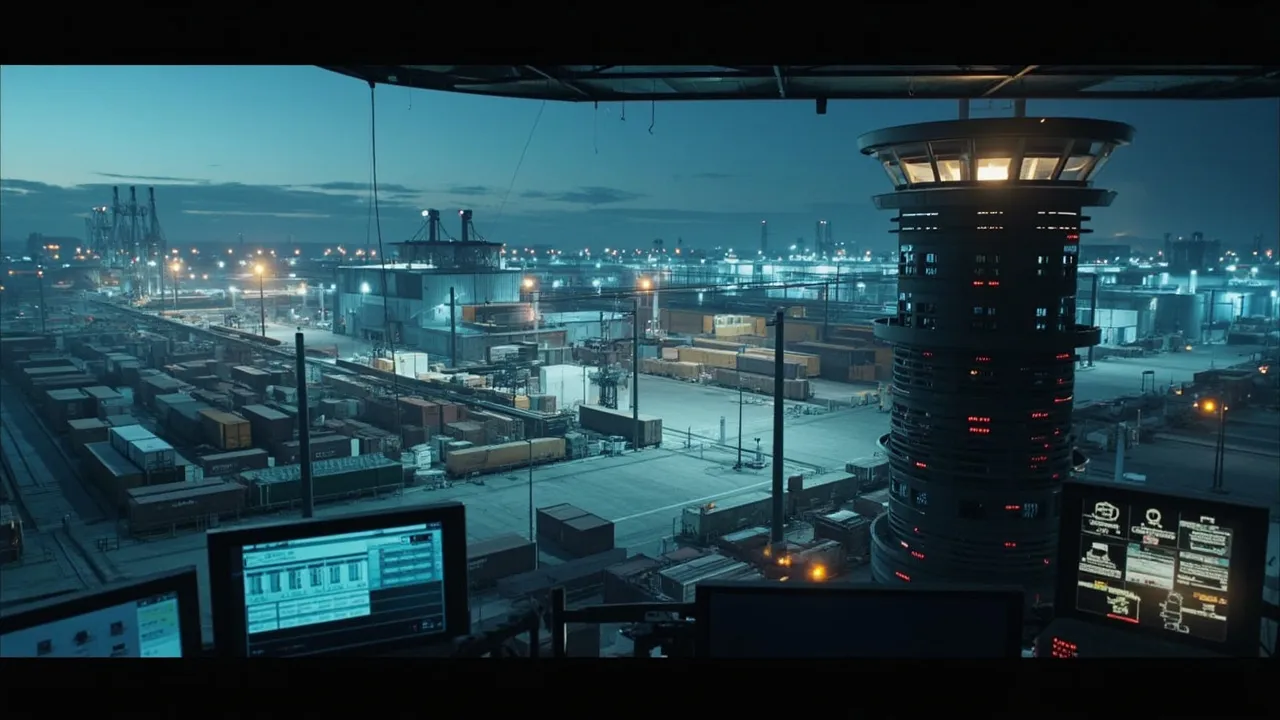
When Oil Supply Exists but Logistics Fail: Build a Barrel-to-Berth Constraint Map


Oil can be available at the wellhead and still fail to reach the buyer. That distinction matters because procurement teams often monitor production and benchmark prices while the real constraint has moved downstream—to a pipeline nomination, a full storage tank, a terminal window, an insurable vessel, or a navigable strait.
Reuters captured this mismatch in its October assessment that oil's new problem is logistics rather than supply. Middle East crude flows through the Strait of Hormuz reportedly reached 14.2 million barrels per day in late September, nearly 80% of prewar levels, yet Brent remained above $100 per barrel. More oil was moving, but risk and transportation capacity continued to shape the delivered price.
The practical response is a barrel-to-berth constraint map: one operating view of every capacity layer between available crude and completed delivery.
Map deliverability, not theoretical supply
A useful map follows the physical sequence of the shipment and assigns a measurable limit to each step:
- Pipeline intake: nominated volume versus confirmed capacity, pumping restrictions, quality compatibility, and outage exposure.
- Storage: usable tank capacity by grade, minimum operating levels, blending restrictions, and expected dwell time.
- Terminal: berth windows, loading arms, draft, labor, inspection availability, and weather limits.
- Tanker: suitable vessel supply, position, speed, charter rate, and substitution options.
- Insurance and compliance: war-risk cover, premiums, sanctions screening, ownership checks, and approved trade corridors.
- Transit chokepoints: strait access, convoy or escort requirements, congestion, and alternative route time.
- Receiving berth: discharge window, destination storage, refinery acceptance, and demurrage exposure.
This structure prevents a common planning error: adding capacity from different layers as though it were interchangeable. A terminal capable of loading 1 million barrels per day does not create deliverable supply if pipeline nominations support only 700,000. Likewise, a nominated barrel is not commercially usable if no compliant tanker can reach the berth during the required window.
For each layer, record nameplate capacity, currently available capacity, committed capacity, confidence level, next decision deadline, and the owner responsible for resolving the exception. The lowest credible available capacity is the shipment's governing constraint.
Translate bottlenecks into commercial exposure
Constraint data becomes valuable when it is converted into time and money. Every red or amber layer should show four consequences.
Lead time measures how long the constraint adds between nomination and delivery. Include queues and administrative holds, not just sailing time. A two-day berth delay can become a much longer interruption when it causes a vessel to miss a controlled transit window.
Demurrage estimates the cost of waiting after allowed laytime. Use the actual charter-party terms and build low, expected, and severe scenarios. The team should see the accumulating exposure before a vessel arrives, not after the invoice.
Nomination exposure identifies the volume that may be rejected, rolled, or reassigned if a cutoff is missed. This connects logistics events directly to supply commitments.
Landed cost combines freight, fuel, insurance, tolls, handling, inventory carrying cost, and exception charges. The surrounding market illustrates why this matters. FreightWaves reported that Far East-to-U.S. West Coast container spot rates rose 29% after the Hormuz closure, while Far East-to-North Europe and Mediterranean rates climbed 31% and 30%. Singapore bunker fuel remained available but cost roughly twice pre-crisis levels after an initial spike of about 200%. Although those figures cover container trades, they show how an energy chokepoint propagates through vessel costs and capacity far beyond the immediate lane.
Set triggers before the constraint turns critical
A map should drive decisions, not decorate a control tower. Establish triggers while conditions are stable.
Use an alternate-terminal trigger when forecast berth delay exceeds the extra inland or coastal transfer time to another terminal, or when terminal confidence falls below an agreed threshold. The comparison must include switching fees, quality handling, and the chance that congestion follows the diversion.
Use an inventory-buffer trigger when projected destination stock approaches demand during the replenishment lead time plus a disruption allowance. Tie the buffer to days of consumption and recovery time rather than an arbitrary percentage.
Use a vessel-substitution trigger when the nominated ship loses insurance, misses its arrival window, fails a compliance check, or its delay cost exceeds the premium for a replacement. Maintain prequalified vessel classes and owners so substitution does not begin with a fresh compliance review.
Use a customer-allocation trigger when confirmed deliverable volume falls below committed demand. Allocation rules should reflect contractual priority, operational criticality, margin, and recovery options. Agreeing on the hierarchy early prevents the loudest customer from becoming the default winner.
Make uncertainty visible
Each capacity figure should carry a timestamp and confidence rating. Confirmed pipeline space is different from a broker indication; an issued insurance certificate is different from a quote. Labeling evidence as confirmed, probable, or unverified stops optimistic assumptions from silently entering the plan.
The map also needs scenario views. A base case can assume normal terminal productivity and current transit rules. A constrained case can reduce berth capacity and add insurance delay. A severe case can close the primary route and invoke alternate terminals, longer voyages, and customer allocation. Compare all three on delivery date, volume, and landed cost.
Finally, connect event updates to workflows. A changed berth estimate should recalculate demurrage and inventory coverage. A failed sanctions screen should block tendering. A chokepoint alert should surface affected voyages, customers, and replacement options. That is where a transportation management system turns fragmented updates into controlled execution.
From barrel count to delivery confidence
Production statistics answer whether oil exists. A barrel-to-berth constraint map answers whether it can arrive, when it can arrive, and what the delivery will cost. In volatile energy markets, that is the more operationally useful definition of supply.
CXTMS brings shipment milestones, capacity exceptions, documents, costs, and decision ownership into one workflow. Request a CXTMS demo to see how your team can manage high-risk energy movements from nomination through final delivery.