Northwest Reefer Rejections Hit 41%: Protect Produce Lanes With Equipment-Specific Triggers


Refrigerated capacity in the Pacific Northwest is sending a warning that broad market averages can easily hide. Northwest reefer tender rejections averaged 41% during early October—far above roughly 17% in July and 16% a year earlier. For produce shippers, that is not merely a pricing signal. It is a service-risk signal that can shorten shelf life before a load even leaves the dock.
FreightWaves reported the 41% regional reefer rejection average, noting that the Northwest's tightness is heavily concentrated in refrigerated equipment. That distinction matters: a regional van average can look manageable while the exact trailers needed for apples, potatoes, onions, berries, dairy, or frozen goods are already scarce.
The practical response is not to declare a blanket capacity emergency. It is to build lane-level triggers that combine equipment availability with harvest pressure, facility dwell, product temperature, and the distance required to recover an alternate truck.
Stop Managing Reefer Risk With a Van Average
A tender rejection rate measures the share of electronically offered contract loads that carriers decline. It is useful as a directional indicator, but the aggregate figure is only as relevant as the freight behind it. Dry vans and reefers serve different demand pools, carry different operating costs, and cannot be substituted when temperature control is mandatory.
At a 41% rejection rate, more than two in every five contracted reefer tenders are being turned down. The increase from 17% in July represents a 24-percentage-point jump and roughly 2.4 times the earlier rate. Compared with 16% last October, the current reading is about 2.6 times higher. Those comparisons are strong enough to justify changing execution rules, even before a shipper's own acceptance data deteriorates.
Build monitoring at the intersection of origin market, destination market, trailer type, temperature band, pickup day, and carrier. A Northwest-to-California frozen load should not inherit the same trigger as a short-haul chilled-produce move simply because both originate in the same region.
Combine Five Signals Into One Lane Trigger
A useful trigger should be explainable to dispatchers and specific enough to cause an action. Start with five inputs:
- Equipment-specific rejection rate. Use reefer data for reefer loads and compare the current reading with both recent and year-ago baselines. Set warning and critical thresholds rather than relying on a single red line.
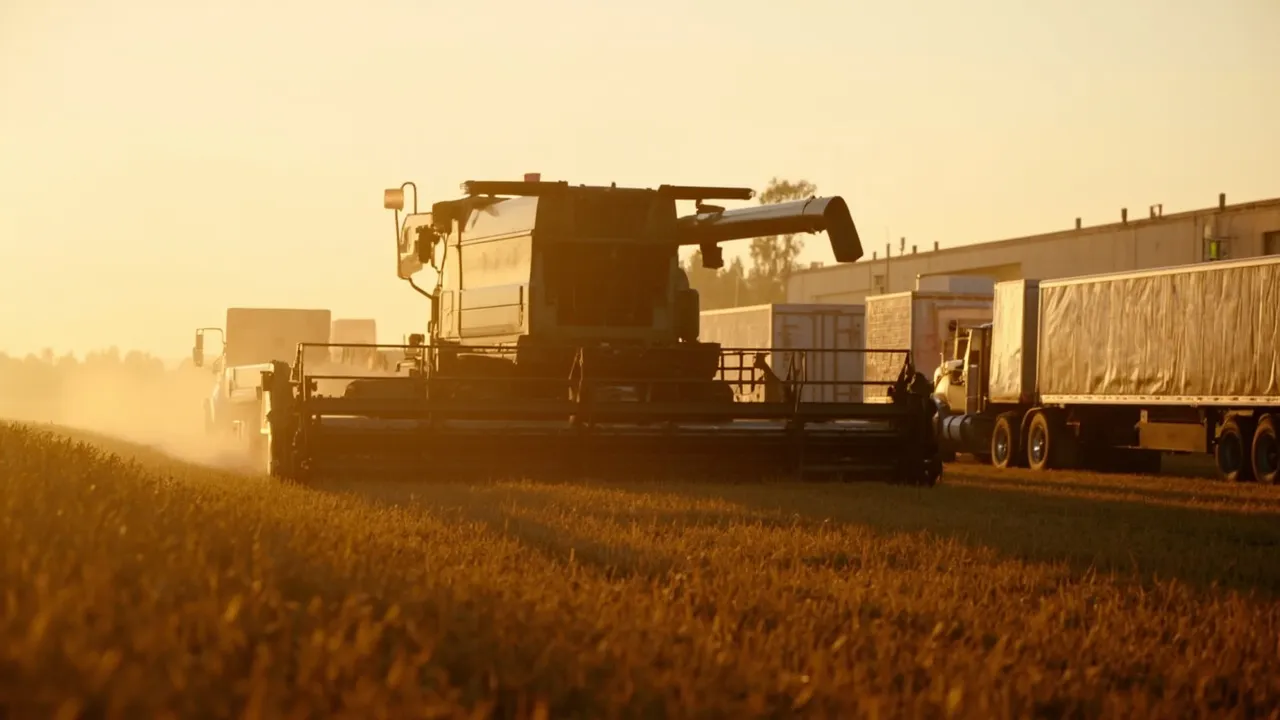
- Harvest calendar. Flag commodities and origins approaching peak harvest, when outbound demand can rise rapidly. FreightWaves has previously tied northern-tier reefer volatility to seasonal apple and potato harvests in its analysis of refrigerated tender rejection spikes.
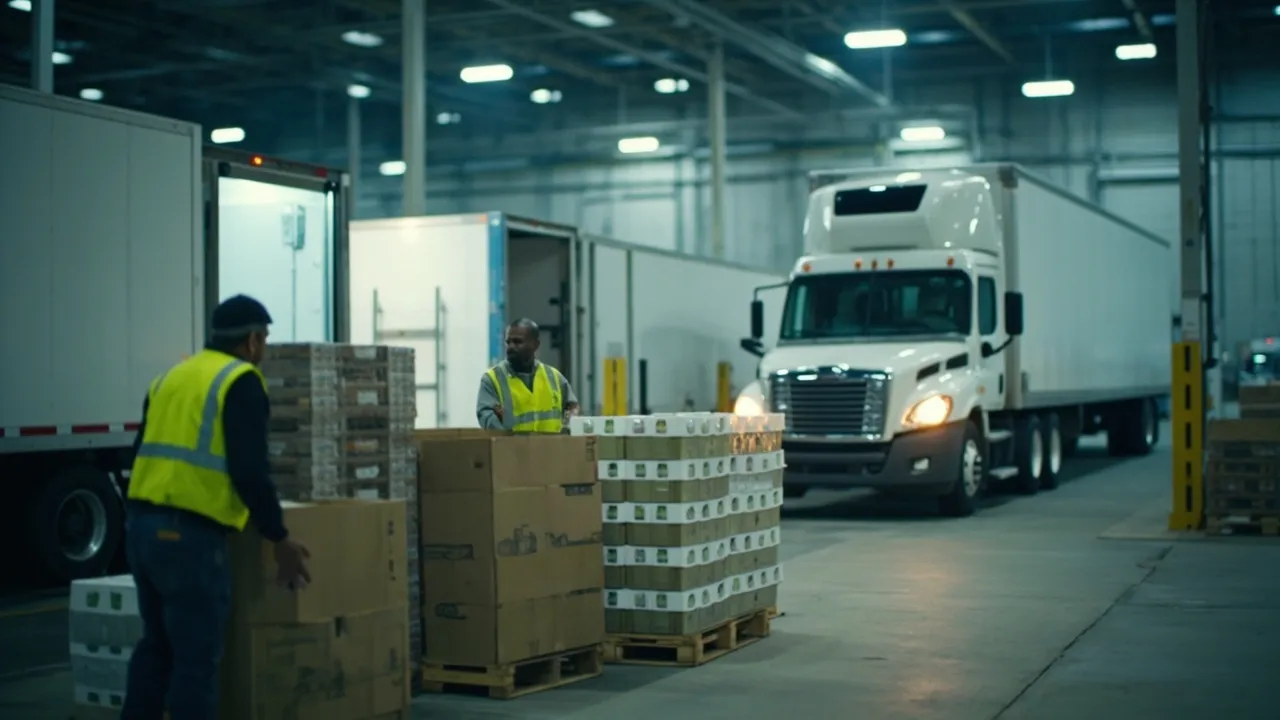
- Facility dwell. Track planned versus actual loading time. A truck secured in a tight market can still fail the shipment if it loses hours waiting at a cooler or packing house.
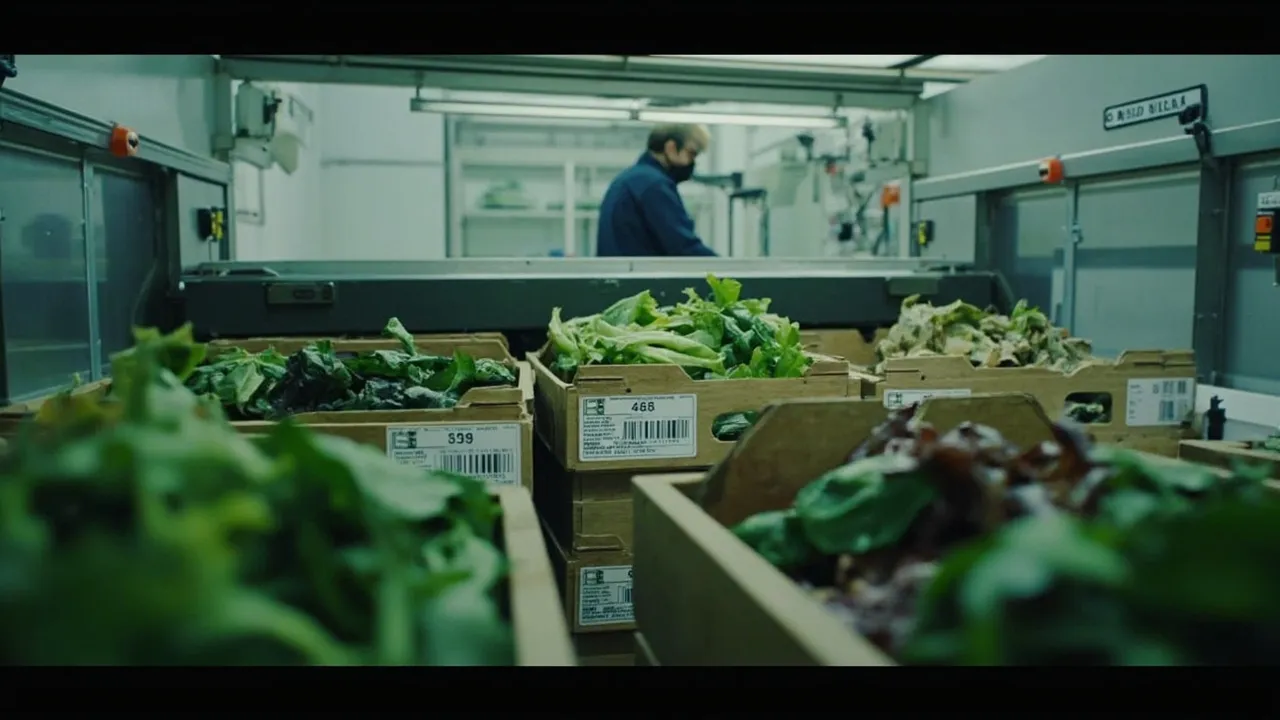
- Temperature and shelf-life requirements. Record the required set point, pre-cooling status, loading tolerance, and minimum shelf life at delivery. Food Logistics explains that time and temperature together reveal product condition; one without the other is an incomplete control.
- Recovery distance. Measure how far an alternate reefer must deadhead to the pickup. A backup 50 miles away is operationally different from one 250 miles away, even if both appear as available in a capacity tool.
The trigger can be simple. For example, move a lane to warning when reefer rejections exceed 25% and harvest volume is rising. Move it to critical when rejections exceed 35%, pickup dwell exceeds two hours, or the nearest qualified backup is more than 150 miles away. The exact numbers should reflect the network, but actions and owners must be predetermined.
Preauthorize the Recovery Playbook
Escalation loses value if every exception starts a new approval chain. Before peak periods, transportation, procurement, quality, and finance should preauthorize what happens at each trigger level.
At warning level, tender earlier, expand the carrier waterfall, confirm trailer availability directly, and verify pickup appointments. At critical level, release approved spot capacity, allow a defined rate premium, activate team or relay options for long lanes, and notify the receiver of the revised ETA. For the highest-risk products, reserve drop equipment or dedicate capacity for the harvest window.
Every backup carrier still needs qualification. Confirm food-grade trailer standards, washout documentation, cargo insurance, temperature-recording capability, and the ability to maintain the specified set point. Inbound Logistics notes that temperature-controlled modes are designed to maintain an uninterrupted cold chain. Buying a truck quickly is not a successful recovery if the equipment cannot protect the product.
Preauthorization should include a financial ceiling and an operational boundary. A dispatcher might be allowed to accept a premium up to a set amount when the critical trigger fires, but not to change the temperature band, delivery appointment, or carrier qualification requirements without quality approval.
Protect Shelf Life Before Pickup
Capacity recovery and product protection need one clock. When a tender is rejected, calculate the new truck's earliest arrival, expected loading time, transit time, and receiving window. Compare that timeline with the product's remaining shelf-life allowance and temperature history.
Do not leave the product staged on an ambient dock while procurement searches for a replacement. Keep it in controlled storage, confirm that it has been properly pre-cooled, and align the trailer set point with the shipping specification before loading. Record trailer pre-trip inspection, seal, departure temperature, and temperature-device ID with the shipment.
If the recovery truck makes the original appointment impossible, rebook the receiver immediately. A reefer sitting outside a closed or congested facility adds dwell, fuel use, and temperature risk after the shipper has already paid a premium to secure it.
Turn Each Rejection Into Better Network Data
The current spike will pass, but the operating record should remain. Capture the original carrier, rejection time, rejection reason, replacement source, deadhead distance, premium, pickup delay, dwell, temperature exceptions, and delivery outcome. Review those fields by lane and commodity after the season.
CXTMS can connect tender activity, carrier rules, appointments, milestones, costs, and exception alerts in one workflow. That lets teams trigger backup capacity from equipment-specific conditions and see whether the recovery protected both service and product—not simply whether a truck was eventually found.
Northwest reefers at 41% rejection demand earlier decisions, not broader averages. Shippers that define triggers and authority before the next declined tender can preserve shelf life, avoid frantic approvals, and keep harvest freight moving.
Need equipment-specific tender triggers and a faster recovery workflow? Request a CXTMS demo to see how your team can protect temperature-controlled lanes before capacity disappears.