2,000 Pounds of Meth Hidden in Cabbage: Add Load Plausibility to Produce Freight Security

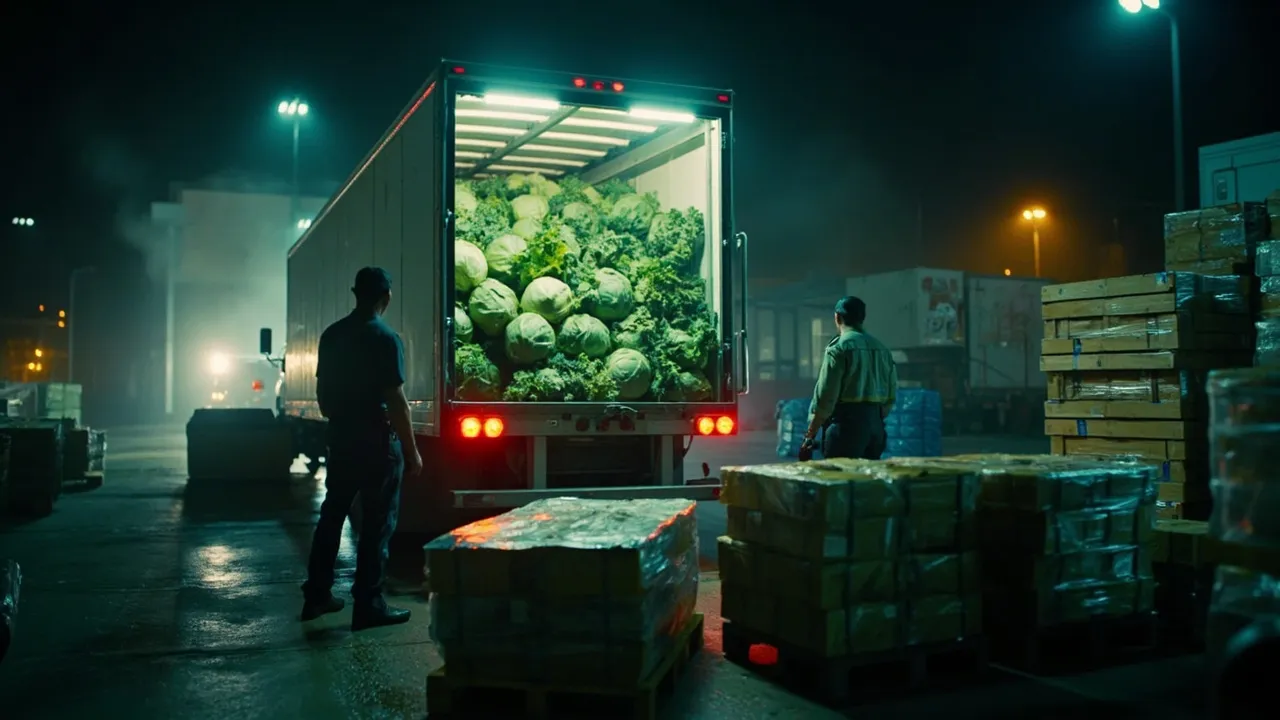
A refrigerated trailer carrying cabbage looks ordinary at a busy produce gateway. That is precisely what makes it attractive camouflage. When criminals insert contraband into legitimate freight, the shipment may retain enough familiar details—a plausible commodity, a working reefer and routine paperwork—to pass a hurried operational review.
The latest warning came from South Texas. FreightWaves reported that federal agents found more than 2,000 pounds of methamphetamine concealed in a cabbage shipment after a Drug Enforcement Administration investigation in the Rio Grande Valley. The lesson for produce logistics is not that every cabbage trailer needs to be opened. It is that shipment data should be tested for internal consistency before a load moves unnoticed through multiple handoffs.
That test is load plausibility: does this commodity, at this weight and temperature, from this origin, on this equipment and route, resemble a legitimate shipment the network should expect?
Build a normal profile before scoring exceptions
A plausibility engine needs operating context, not a single universal threshold. Start with historical, accepted loads by commodity, shipper, origin, season and destination. For cabbage, the baseline could include expected case and pallet counts, gross and net weight ranges, packaging type, reefer set point, pickup windows, dwell time and normal routing.
Then compare each tender, advance shipping notice and gate event with that baseline. Five data groups are especially useful:
- Commodity: Does the product description match its tariff code, pack configuration, season and known shipper activity?
- Origin: Is the pickup location an approved farm, packing house or consolidation point, and has the facility shipped this commodity before?
- Weight: Is declared cargo weight credible for the pallet count and trailer type? Does the scale ticket reconcile with the tractor, trailer, fuel and tare profile?
- Temperature: Is the set point appropriate for the commodity, and does sensor history show a realistic pre-cool and transit pattern?
- Equipment and route: Is the trailer tied to the assigned carrier, and do its prior movements, border crossing, stops and destination fit the lane?
No one mismatch proves criminal activity. A substituted packing house, overweight pallet or route detour may be innocent. Several weak signals together, however, can justify a controlled review.
Score combinations, not isolated mistakes
Simple rules create too many alerts in perishables, where harvest timing, consolidation and border congestion regularly change plans. Use a weighted score that recognizes combinations. A new origin might be low risk by itself. A new origin plus an unexplained weight increase, a last-minute carrier change and a route deviation should score much higher.
Separate data-quality alerts from security alerts. Missing case counts may require the shipper to correct an ASN; conflicting tractor or seal numbers may require the gate to hold the load. This matters because customs data is becoming an operational privilege issue as well as a compliance task. Supply Chain Dive reports that, beginning September 18, U.S. Customs and Border Protection can revoke a shipper's ability to import when inaccurate information is supplied on customs forms.
Use three response bands:
- Green: The shipment fits expected ranges and moves through the normal cold-chain process.
- Amber: An operations or security analyst validates source documents, calls known contacts and reconciles discrepancies before release.
- Red: The facility isolates the equipment in a designated secure area and follows its law-enforcement escalation procedure.
Tune these bands using confirmed outcomes. If harmless seasonal weight changes repeatedly create amber alerts, adjust the seasonal baseline. Do not simply switch the rule off.
Preserve cold-chain integrity during a hold
Security controls that spoil legitimate food are badly designed. A held reefer still needs fuel, power, airflow and temperature monitoring. The escalation playbook should identify secure parking with electrical hookups or refueling access, define who may adjust the set point and record every door opening.
Avoid unloading into an uncontrolled yard unless authorities direct it. If an examination is required, use a temperature-controlled inspection space, photograph seal removal and replacement, and capture sensor readings before and after the event. Record product exposure time so quality teams can make a defensible disposition decision.
Time limits are essential. Amber review should have a named owner and a response target measured in minutes, not an indefinite hold. Verified contacts must come from master data rather than phone numbers added to a suspicious tender. A quick callback to the packing house, broker and carrier can resolve routine errors without giving an unknown party control of the verification.
Create an evidence chain across handoffs
Produce freight often passes among growers, packing houses, brokers, carriers, cold-storage facilities and receivers. Each participant sees only part of the transaction. A transportation management workflow should preserve one timeline containing the original tender, every revision, user identity, carrier assignment, driver and equipment details, scale tickets, seals, sensor readings, geofence events, appointment scans and release decisions.
Do not overwrite changed fields. Store versions so investigators can see whether weight, destination or equipment changed, when it changed and who approved it. Restrict access according to role, retain original files and hash or otherwise protect critical evidence from alteration.
If a red alert occurs, employees should not confront a driver or search cargo independently. Follow the company's emergency and law-enforcement protocol, protect personnel, maintain observation from a safe location and preserve records. Share information through authorized contacts and document every custody transfer.
The broader pattern is substantial. In a separate review, FreightWaves found that authorities in the United States and Canada had seized more than $101 million in narcotics from commercial shipments over three weeks, including loads involving berries and lettuce. Commodity camouflage is not a one-lane anomaly.
Measure whether the control works
Track alerts per 100 loads, confirmation rate, average review time, cold-chain excursions during holds, false positives by rule and repeat discrepancies by partner. Also measure how often the process detects a material inconsistency before pickup, at the gate and after departure. Earlier detection is cheaper and safer.
Load plausibility cannot replace trained officers, physical inspections or trusted-partner programs. It can focus attention where multiple details stop making sense—without treating every legitimate produce shipment as suspect.
CXTMS connects tenders, carrier assignments, equipment, documents, route events and exceptions in one operational record. Request a CXTMS demo to see how configurable workflows can help your team identify suspicious inconsistencies, preserve evidence and keep legitimate refrigerated freight moving.