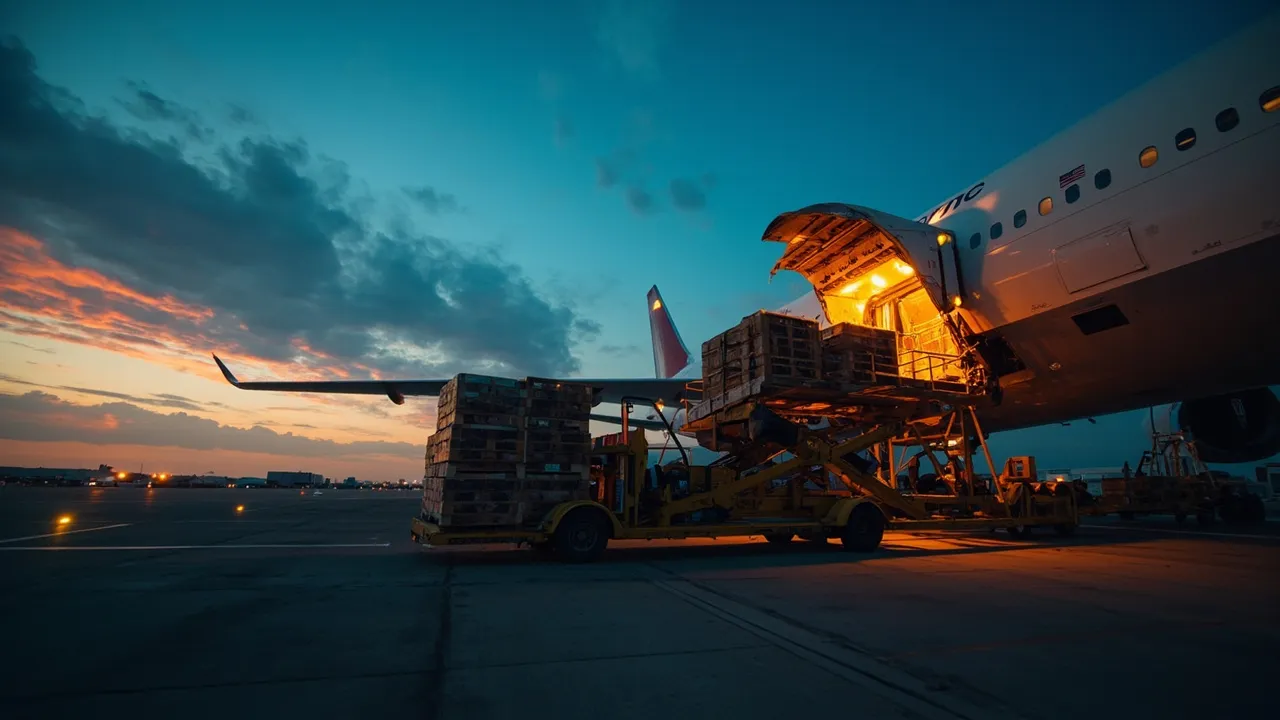
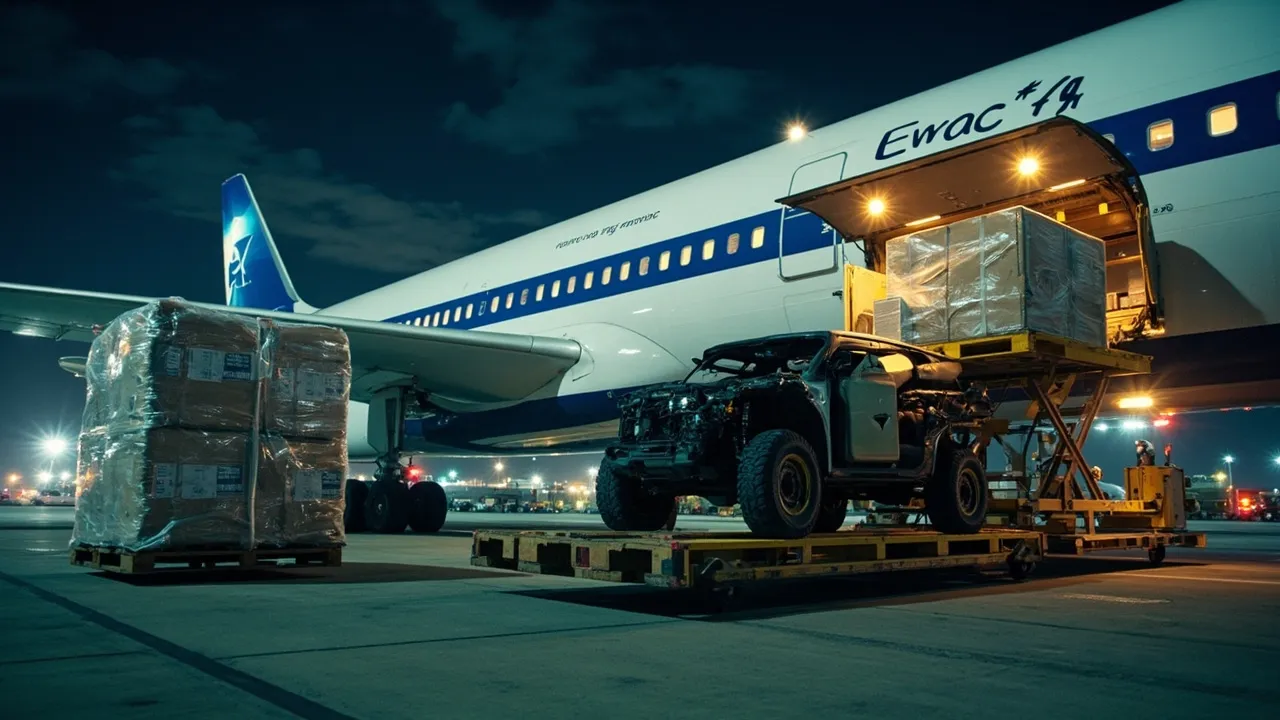
Lufthansa's A321 Freighter Review Puts Regional Air Cargo Capacity Under the Microscope

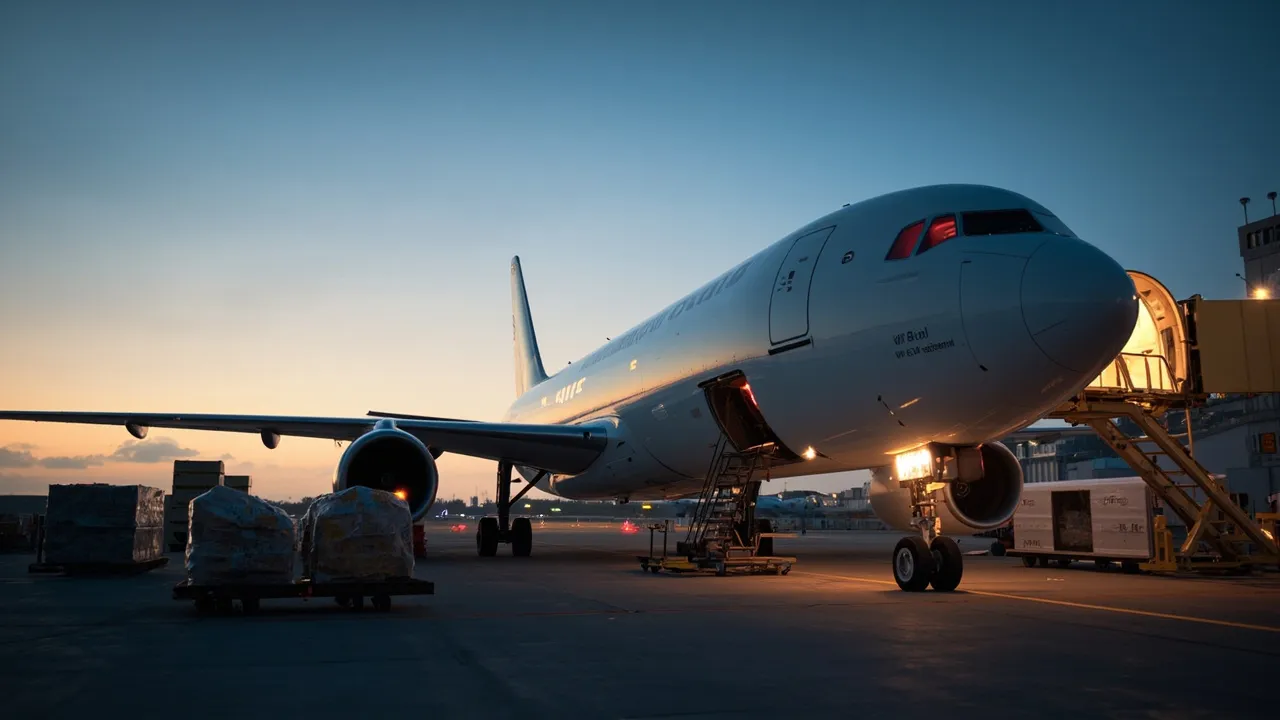
When a regional freighter fleet stops flying, the capacity loss is only the first problem. Shippers also lose departure frequency, late cutoffs, main-deck loading capability, and dependable connections into long-haul gateways. Those service attributes determine whether an urgent shipment arrives tomorrow or waits another operating cycle.
Lufthansa Cargo's review of its Airbus A321 freighter program therefore deserves more than a fleet-watching response. It is a useful stress test for every company that depends on intra-European air cargo. The practical question is not whether alternative capacity exists in aggregate. It is whether the right capacity exists at the right airport, at the required hour, for the shipment's dimensions and onward connection.
A small fleet can leave a large schedule gap
FreightWaves reported that Lufthansa Cargo's four converted A321 freighters had been grounded for nearly four months while the carrier maintained that commercial service would resume. Together, the aircraft had offered about 210 metric tons of daily regional capacity. The network connected European points and extended toward North Africa, feeding cargo into Lufthansa's wider system.
That 210-ton figure is meaningful, but it does not describe the full exposure. Capacity is perishable: a pallet position departing tonight cannot be replaced by an available position two days later. A shipper moving production parts, clinical materials, express parcels, or e-commerce inventory buys a timed connection rather than undifferentiated kilograms.
The aircraft's configuration matters too. FreightWaves previously reported that an A321 converted freighter can carry up to 28 tons, with 14 pallet or container positions on the main deck and 10 smaller-container positions below. Main-deck access accommodates freight that passenger belly holds may reject because of height, contour, packaging, or handling requirements.
Belly capacity is useful, but it is not equivalent
Passenger networks provide broad frequency and can absorb general cargo when schedules and dimensions align. Summer passenger flying may also add substantial belly capacity. Yet passenger service is optimized around travelers, not freight cutoffs. Baggage has priority, payload can vary, and routes may be strongly seasonal.
Dedicated narrowbody freighters fill the space between passenger belly service and widebody intercontinental freighters. They can consolidate regional volumes, operate at cargo-friendly hours, and deliver directly into a hub's connection bank. That makes them particularly useful for dense short- and medium-haul flows that need more control than belly capacity offers but cannot justify a widebody aircraft.
Road feeder service is the other major substitute. A scheduled truck can move air waybill freight between a regional station and a gateway without consuming scarce flight space. It is often economical and dimensionally flexible, but transit time depends on road distance, border conditions, driver availability, and terminal handoffs. A six-hour truck delay that misses a long-haul departure can create a 24-hour delivery failure.
The answer is not to select one replacement mode for the entire network. It is to assign alternatives shipment by shipment and gateway by gateway.
Identify the freight most exposed to change
Four shipment profiles should move to the top of a contingency review.
First, examine freight with a hard delivery window: aerospace-on-ground parts, line-down components, medical products, live animals, perishables, and express parcels. These shipments have little tolerance for an earlier cutoff or missed connection.
Second, isolate pieces that require main-deck loading. Record dimensions, weight, stackability, temperature requirements, and dangerous-goods classification. A route may show available belly capacity while offering no physically valid option for the actual piece.
Third, flag origins whose next-best gateway requires a long road feeder leg. Calculate total door-to-gateway time, not just driving time, and include terminal acceptance, security screening, build-up, and recovery buffers.
Fourth, identify flows tied to a single weekly production or replenishment rhythm. A frequency reduction can force earlier inventory release, larger shipment sizes, or additional safety stock even when nominal weekly capacity remains sufficient.
Demand conditions increase the importance of this segmentation. Supply Chain Dive's air cargo outlook identifies high-value, time-sensitive AI hardware and semiconductor shipments as a major growth engine extending beyond 2026. Such cargo competes for precisely the reliable, secure, fast connections that a regional freighter network supports.
Build a gateway contingency matrix
A useful contingency matrix should have one row for each origin-destination and service class, with ranked alternatives rather than a generic backup-carrier list. Capture:
- primary and alternate gateway, including driving distance and border exposure;
- freighter, belly, and road feeder schedules with acceptance cutoffs;
- piece-size, weight, dangerous-goods, and temperature restrictions;
- planned connection time and the next recovery departure after a miss;
- confirmed allocation, spot-capacity process, and escalation contact;
- all-in rate, handling charges, storage exposure, and premium recovery cost.
Then test three events: one canceled departure, a seven-day capacity reduction, and a 30-day fleet interruption. For each scenario, quantify the shipments that can shift to passenger flights, move by road to another gateway, travel entirely by expedited truck, or wait without violating the customer promise.
The matrix should also define decision triggers. For example, switch a critical shipment to an alternate gateway when remaining capacity drops below its booked weight plus a safety margin, or when a schedule change reduces connection time below the minimum terminal-handling window. Preapproved triggers prevent teams from renegotiating the same exception under pressure.
Manage capacity at shipment level
Network headlines can prompt the review, but operational data must drive the response. Booking confirmations, flight schedules, cutoff changes, truck milestones, warehouse acceptance, and delivery commitments belong in one workflow. Teams should be able to see which orders are affected, which alternative is physically valid, and what the change does to cost and promised arrival.
CXTMS connects shipment requirements with routing, carrier, milestone, document, and exception data. That gives air freight teams a practical way to maintain gateway alternatives, surface threatened connections, and execute recovery plans before a capacity change becomes a service failure.
Request a CXTMS demo to see how connected transportation planning can make regional air cargo contingencies faster and more precise.