Lego's E-Methanol Components Need an Alternative-Feedstock Chain of Custody

Lego's move into e-methanol-derived plastic is bigger than a materials substitution. It is a traceability test spanning energy inputs, chemical conversion, resin production, molding, packaging, transport, and finished inventory.
The company has begun using e-methanol to help manufacture more than 90 robust, rigid elements, including cross axles, connectors, steering wheels, and Minifigure hands. Supply Chain Dive reports that an industrial-scale production partnership enables the renewable alternative to enter certain plastic components. That is a meaningful milestone, but a product-level environmental claim is only as reliable as the evidence connecting each transformation.
The operational challenge is to preserve that connection without implying that every finished piece contains physically segregated renewable molecules. Procurement, logistics, manufacturing, and sustainability teams need one chain of custody that distinguishes what moved physically from what was allocated through accounting.
Start with a precise claim
“Made using e-methanol” can describe several different realities. The material may be physically segregated from fossil feedstock throughout production. It may be processed in a controlled mixture. Or renewable input may enter a shared chemical system, with an equivalent share allocated to selected outputs under a mass-balance method.
These models are not interchangeable. Physical segregation supports the strongest link between input and output but requires dedicated storage, handling, and production capacity. Controlled mixing preserves a known proportion while permitting blended flows. Mass balance can scale renewable feedstock through existing infrastructure, but the claim applies to an audited allocation—not necessarily to the molecules inside an individual component.
Before issuing a purchase order, define the permitted chain-of-custody model, certification scheme, allocation period, eligible feedstock, conversion rules, and exact customer-facing language. The commercial specification should also prohibit double counting and require retirement of allocated credits when the corresponding product claim is made.
Trace five handoffs from feedstock to finished set
The evidence chain should follow the material through five linked records.
First, the e-methanol producer must document the production site, batch or accounting period, feedstock origin, electricity or hydrogen qualification, captured-carbon source, quantity, and applicable emissions calculation. A certificate without a facility and time period is too weak to reconcile against downstream output.
Second, the chemical or resin producer should record receipts, storage locations, conversion yields, production runs, and allocations to resin lots. Any loss factors and coproduct allocation rules must be visible. The system should reject claims that allocate more renewable input than the verified balance available.
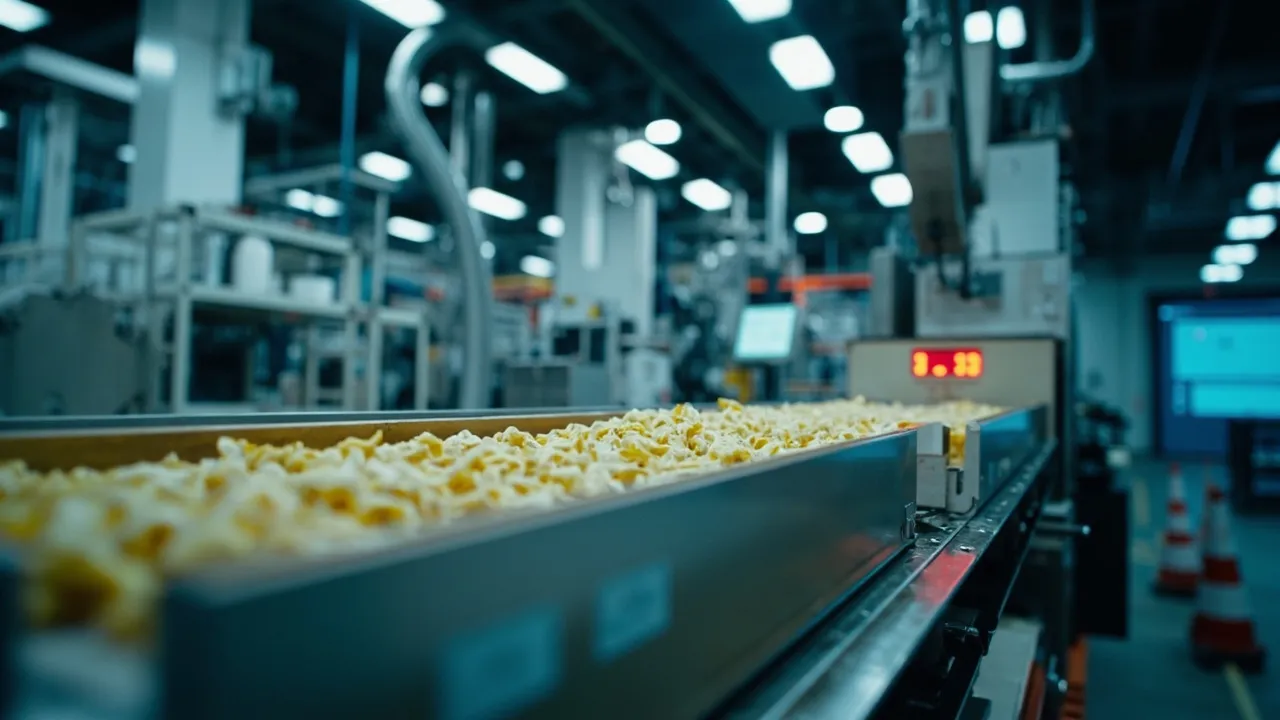
Third, molding operations need a link from the resin lot to the work order, machine run, cavity or element identifier, good output, scrap, regrind, and finished component lot. If certified and conventional resin are stored together, the site must record the accounting transfer rather than present it as physical segregation.
Fourth, the bill of materials should identify which element versions are eligible for the claim. A blanket claim at set level is risky when only selected parts qualify. Product master data must preserve effective dates so an engineering change, substitute resin, or alternate molding plant does not silently carry the attribute forward.
Fifth, finished-goods inventory and shipments should inherit the eligible allocation. Lot genealogy, packing records, warehouse movements, and sales orders need enough detail to show that the claimed output did not exceed certified production.
Make shipment evidence part of the sustainability record
Traditional chain-of-custody programs often stop at the factory gate. Product-level reporting cannot. Every physical movement should connect the commercial claim with the material identity used by the receiving site.
For inbound e-methanol or resin, retain the purchase order, supplier certificate, bill of lading, packing list, quantity and unit of measure, lot number, origin and destination facilities, dispatch and receipt timestamps, and receiving inspection. Record split loads, repacking, tank transfers, damaged quantities, and returns as explicit events rather than spreadsheet adjustments.
For outbound components and finished products, preserve the production lot, pallet or handling-unit ID, warehouse location, shipment ID, consignee, quantity, and certificate allocation. Each record should use a persistent identifier so auditors can move from a reported product back to a shipment, molding run, resin lot, and eligible feedstock balance.
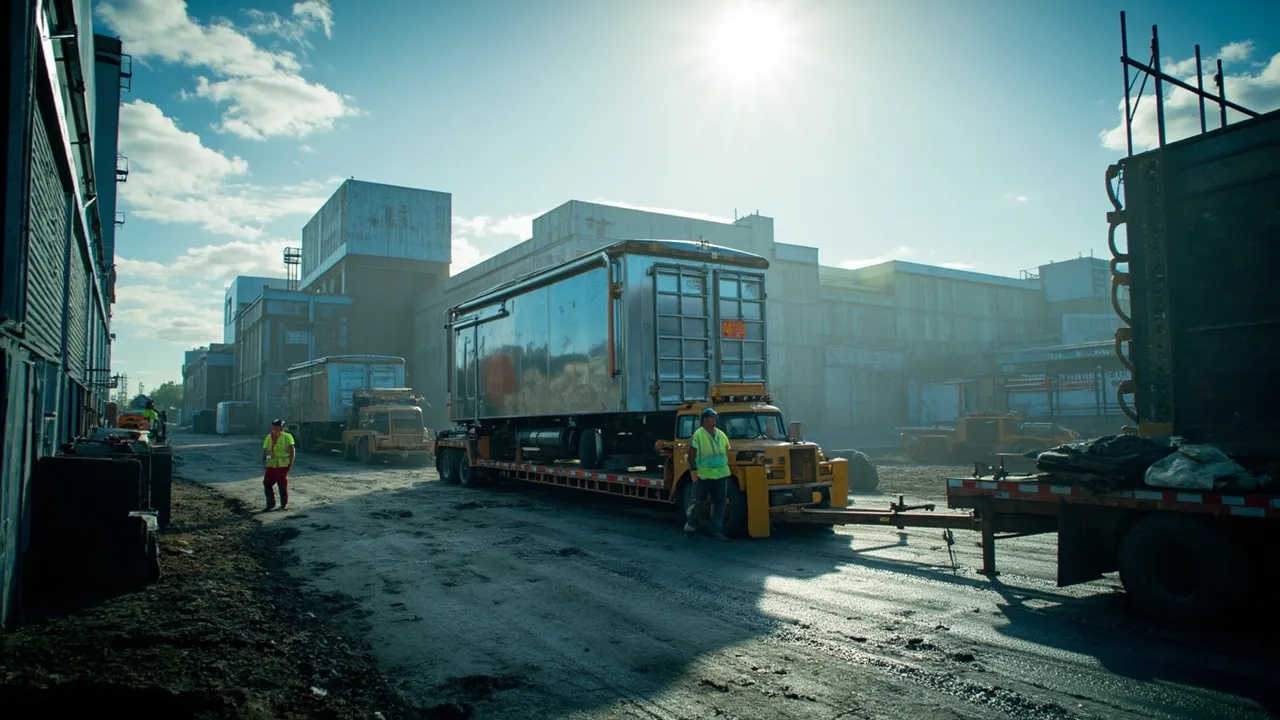
Scale makes that discipline more important. A separate Supply Chain Dive report says Lego plans to spend $400 million and add 667,000 square feet at its Monterrey, Mexico, site, which opened in 2008. As production and warehouse networks expand, manual certificate matching becomes slower and more vulnerable to substitutions, timing gaps, and duplicate allocations.
Build controls for the exceptions
The normal flow is rarely where claims fail. Exceptions create the largest gaps: a supplier certificate arrives late, one resin lot is quarantined, a work order consumes an alternate material, or a shipment is divided between plants.
Create an exception queue with an owner and resolution deadline for missing certificates, quantity mismatches, expired credentials, unexplained yield variance, duplicate certificate numbers, unauthorized substitutions, negative mass-balance positions, and shipments received outside the approved accounting period. Material may continue through a physically necessary process, but its sustainability attribute should remain blocked until evidence is complete.
Three automated reconciliations are especially useful:
- Input balance: certified renewable input plus opening balance must cover allocated output, conversion losses, and closing balance.
- Lot genealogy: every claimed component must resolve to an eligible work order and resin lot.
- Shipment reconciliation: quantities received, produced, transferred, and shipped must agree after documented loss, scrap, and inventory changes.
Preserve the source document, rule version, approver, timestamp, and correction history. Overwriting a record destroys the audit trail; reversals and replacement transactions preserve it.
Report the claim and the logistics together
Product-level emissions reporting should disclose the chain-of-custody model, system boundary, certification standard, allocation period, eligible quantity, and emissions methodology. It should also state whether transportation emissions are included. A renewable feedstock claim and a shipment-footprint claim answer different questions, even when they share the same logistics data.
The practical goal is not a larger certificate archive. It is a controlled ledger that connects supplier evidence, physical movements, manufacturing consumption, inventory, and product claims. That lets sustainability teams substantiate the benefit while planners can see which lots are eligible, blocked, or at risk before an order ships.
Ready to connect material credentials with orders, shipments, and exceptions? Request a CXTMS demo to see how CXTMS can bring chain-of-custody evidence and transportation execution into one accountable workflow.