The November 20 LA–Long Beach Strike Deadline Needs a Cargo-Cutoff Calendar

The latest extension in labor talks at the Los Angeles–Long Beach port complex should not be mistaken for an all-clear. It is a planning window.
The International Longshore and Warehouse Union Local 26 and maritime employers extended their negotiating deadline to November 20, postponing a potential work stoppage while talks continue. The workforce involved is small relative to the entire port complex—about 250 security watchmen—but their access-control and safety functions sit at a critical operating point. SupplyChainBrain reports that the union agreed to extend the strike deadline to November 20.
For shippers, the right response is neither panic diversion nor passive waiting. It is a dated cargo-cutoff calendar that converts a labor deadline into shipment-level decisions.
Why 250 Watchmen Can Affect a Much Larger Gateway
Port continuity depends on more than crane operators and truck drivers. Security watchmen control and monitor access to marine terminals, protect cargo areas, and support compliance with facility security procedures. If those functions are disrupted, terminals may be unable to sustain normal gate and vessel activity even when other labor groups remain available.
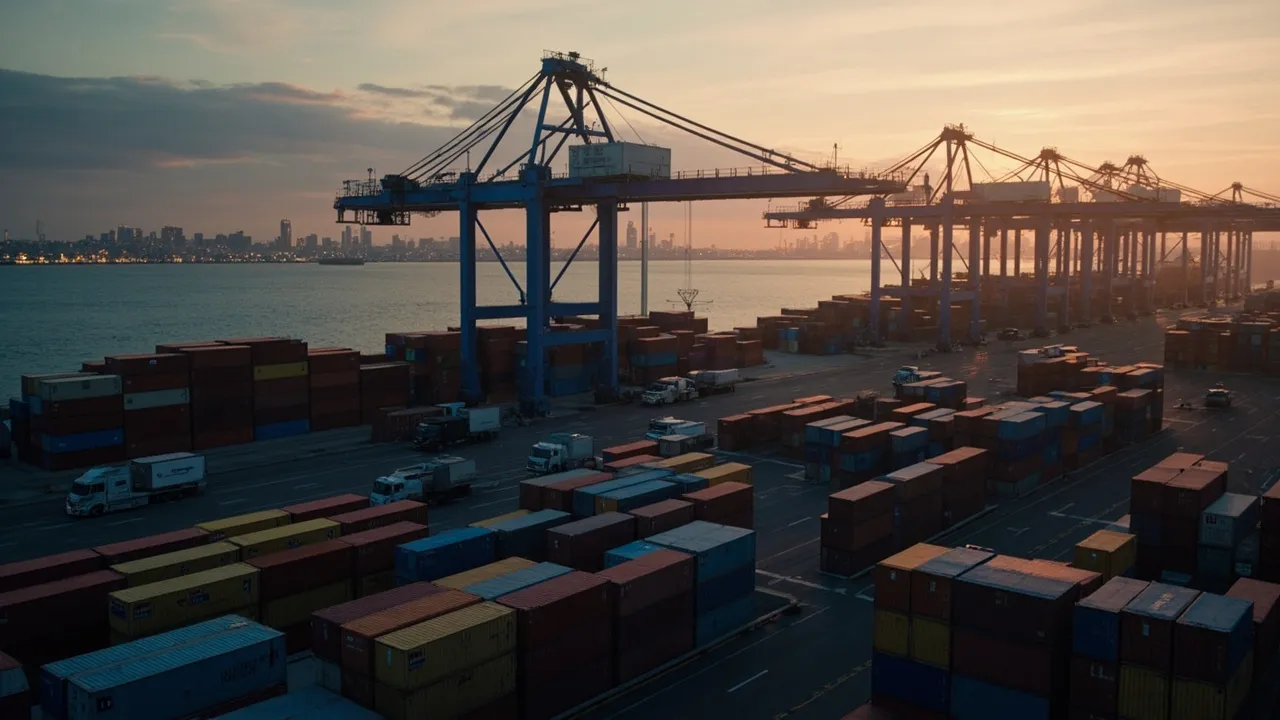
The risk is amplified by scale. Los Angeles and Long Beach form the busiest container gateway in the United States. A short interruption can produce truck queues, missed appointments, rolled rail connections, demurrage exposure, and inventory delays far beyond Southern California.
The deadline has already moved more than once. FreightWaves says the parties are negotiating with help from the Federal Mediation and Conciliation Service, which is constructive but does not eliminate the possibility of a stoppage. That distinction matters: an extension lowers the immediate probability of disruption, but the operational impact remains high enough to justify preparation.
Build the Calendar Backward From November 20
Every affected shipment should have a decision date earlier than the labor deadline. Start with November 20 and work backward using terminal availability, free time, drayage capacity, warehouse receiving hours, and the cost of a missed delivery.
November 10–13: Classify the Cargo
Create three shipment groups:
- Clear before the deadline: production inputs, medical or temperature-sensitive cargo, promotional goods with fixed launch dates, containers already accruing storage, and freight with no practical alternate stock.
- Hold with active monitoring: noncritical cargo with adequate free time, flexible delivery windows, or inventory cover at destination.
- Divert only if thresholds are crossed: cargo not yet loaded at origin that can use Oakland, Seattle–Tacoma, Vancouver, or an East or Gulf Coast gateway without creating a worse cost or lead-time outcome.
This classification prevents the common mistake of treating every container as equally urgent. It also gives drayage providers a prioritized pickup list before appointments tighten.
November 13–16: Lock Execution Capacity
Confirm ocean arrival estimates, terminal availability dates, last free days, customs status, delivery appointments, chassis supply, and empty-return options. Reserve drayage and warehouse capacity for the “clear” group, including backup appointment windows where possible.
For export cargo, establish the receiving cutoff and vessel cutoff independently. An export container delivered too early can create storage exposure; one delivered too late can miss the sailing. Forwarders should require written confirmation of terminal receiving conditions rather than relying on a standard schedule.
November 17–19: Run a Daily Exception Call
By the final three days, planning should become daily execution management. Review each vessel due before or shortly after November 20, containers still on hold, appointments not yet secured, and loads vulnerable to free-time expiration.
Escalate any shipment that meets one of these conditions:
- No confirmed pickup appointment within 48 hours of availability
- Last free day falls between November 19 and November 23
- Customs, agriculture, or exam holds remain unresolved
- Vessel arrival shifts into the strike window
- Alternate gateways report constrained rail, drayage, or warehouse capacity
Use Volume Trends Carefully
The timing may offer some relief. Logistics Management reports that imports at major U.S. container ports are expected to decline through the balance of 2026 as an extended peak season winds down. Lower volume can create more room in the system than shippers would have during a summer surge.
But lower national import volume does not remove local congestion risk. Cargo can bunch around a deadline as importers accelerate pickups and drayage firms concentrate demand into a handful of gate shifts. A “soft” market can still produce a sharp, short-lived capacity problem at a specific gateway.
That is why diversion should be threshold-based. Moving freight preemptively may add transshipment risk, inland miles, and days of delay. Define the trigger before acting—for example, a confirmed strike notice, a terminal operating advisory, two consecutive failed appointment attempts, or projected storage cost exceeding the incremental diversion cost.
Put One Team in Charge of the Clock
Assign a single control-tower owner to maintain the cutoff calendar across purchase orders, bookings, containers, and delivery appointments. The owner should publish a daily status showing cargo priority, current location, last free day, next action, responsible party, and escalation deadline.
The strongest plan is not the one with the most alternate routes. It is the one that tells the team exactly when a shipment moves from “monitor” to “act.” November 20 is the labor deadline; each container needs an earlier operational deadline of its own.
CXTMS brings bookings, milestones, exceptions, documents, and partner communication into one transportation workflow so teams can manage disruption by shipment instead of by spreadsheet. Request a CXTMS demo to build faster, more accountable contingency plans.