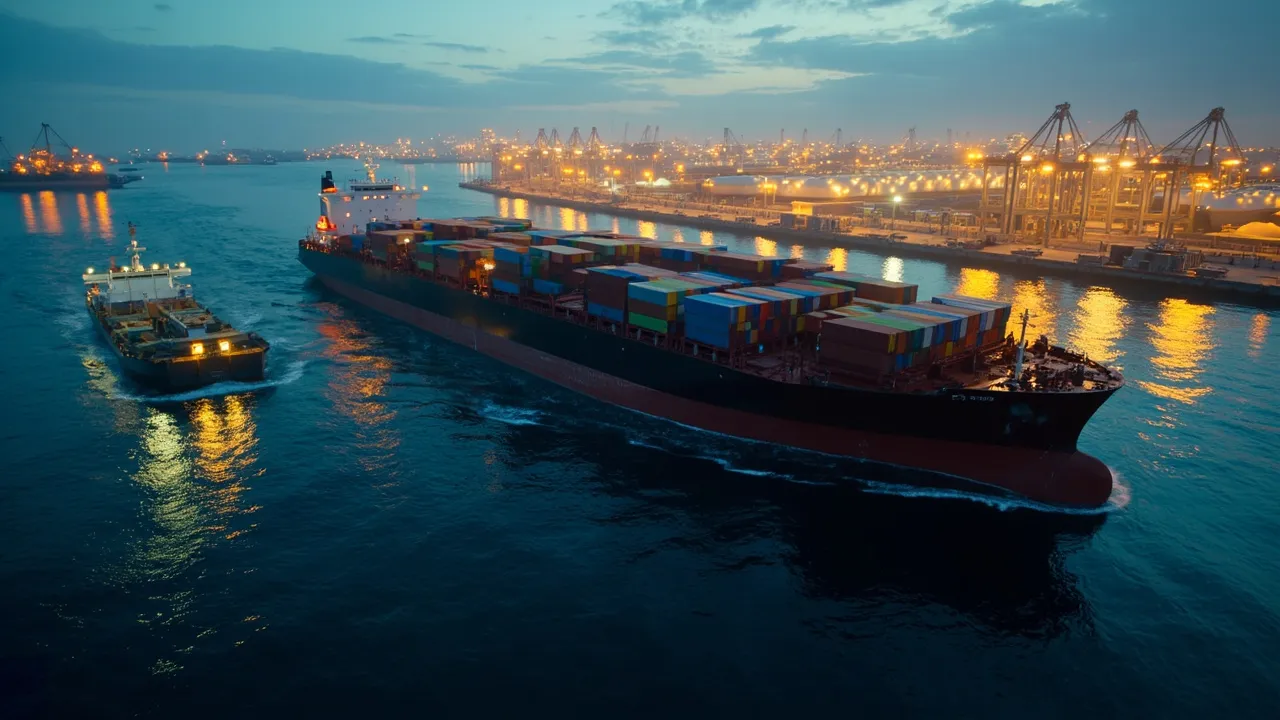
Iraq’s Maritime Line Returns After 50 Years—Qualify the Gulf Service Before Routing Cargo

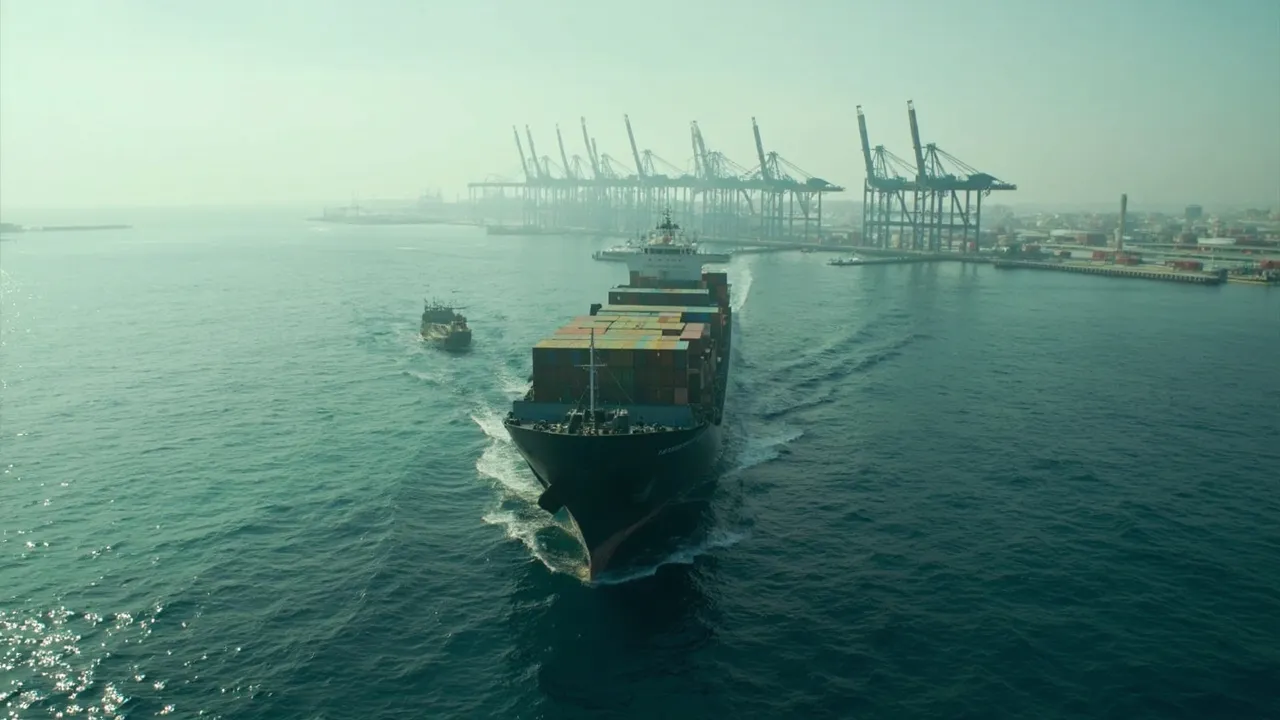
Iraq’s return to container shipping after a 50-year absence could give regional importers and exporters another routing option. It should not, however, be treated as a mature service on day one.
Inbound Logistics reports that the Iraqi maritime line has resumed Gulf container shipping. That is commercially significant: a national service can create new direct connections, improve equipment access, and strengthen competition for cargo moving through Iraqi ports. But a new or revived service also carries unknowns around schedule consistency, port execution, documentation, claims, and disruption recovery.
The right response is neither immediate rejection nor a network-wide commitment. It is a controlled lane qualification.
Start With the Schedule, Not the Announcement
A published sailing is an offer, not proof of reliable capacity. Before booking, obtain the complete port rotation, planned frequency, cutoff rules, transit times, receiving windows, and equipment availability by container type. Confirm whether calls are fixed or inducement-based and whether the operator controls the vessel or purchases slots from another carrier.
Then test the schedule against actual operating evidence. Track planned versus actual arrival, berth time, departure, and container availability for several calls. Ask how blank sailings, skipped ports, and late arrivals are communicated. A weekly service that slips unpredictably can be less useful than a less frequent service with dependable execution.
Vessel capability matters as well. Cargo owners should verify vessel age and class, capacity, reefer plugs, dangerous-goods acceptance, draft restrictions, lifting limitations, and container supply. Special cargo needs written confirmation, not an assumption based on a general service announcement.
Qualify Every Handoff on the Route
The ocean leg is only one part of the shipment. A practical qualification reviews the entire chain:
- Origin depot availability and empty-container release
- Booking confirmation and documentation deadlines
- Terminal receiving capacity and gate hours
- Berth and crane readiness at each port
- Customs filing, inspection, and release procedures
- Local agency staffing and after-hours escalation
- Inland drayage capacity and final container return
For Iraqi imports, establish exactly who submits manifests, who corrects discrepancies, and how quickly original documents or electronic releases reach the consignee. Identify storage, demurrage, and detention rules before the first box moves. Ambiguity becomes expensive when a container is held over a weekend or a document amendment requires approval from another office.
Agency coverage deserves particular attention. Obtain named operational, documentation, claims, and emergency contacts at origin, destination, and any transshipment point. Test those contacts with a realistic exception scenario. If ownership becomes unclear during a tabletop exercise, it will be worse when cargo is already delayed.
Price the Security and Insurance Risk Explicitly
The Gulf risk environment makes insurance a gating issue, not a final administrative check. SupplyChainBrain reported 12 vessel attacks around the Strait of Hormuz between October 5 and 11, including six on October 11. The same report said UKMTO recorded 254 commercial transits from October 8 through 14—about 70% below pre-conflict weekly levels—and maintained a “severe” regional threat assessment.
Those conditions can change sailing decisions, crew availability, premiums, and carrier terms with little notice. Earlier in 2026, war-risk coverage reportedly reached about 5% of vessel value. At that rate, coverage for a $100 million vessel would cost roughly $5 million. The report also noted at least 20 security incidents involving ships around the Persian Gulf since March 1.
Before booking, the shipper and broker should confirm cargo-policy coverage, exclusions, geographic limits, war-risk surcharges, notice requirements, and the party responsible for additional premiums. Determine what happens if the carrier changes rotation, holds outside the strait, or discharges at an alternate port. A low base rate is meaningless if the recovery path is uninsured or commercially undefined.
Use a Pilot-Shipment Gate
Begin with cargo that is valuable enough to measure but not so urgent, fragile, or irreplaceable that one failure damages the business. One to three containers on a representative lane is usually more instructive than a large initial allocation.
Define pass/fail thresholds before tender:
- Booking confirmation within the agreed response time
- Equipment released by the promised date
- Gate-in and load confirmation visible to the shipper
- Arrival within an agreed tolerance
- Customs release within the expected window
- No unexplained charges or undocumented handoffs
- Empty return completed without dispute
The pilot must also have a recovery plan. Preselect fallback ports and transshipment options, identify substitute carriers, reserve a decision point for rerouting, and assign one owner for each exception. Record which party pays when cargo is rolled, diverted, stored, or returned.
Do not expand volume after one clean sailing. Review several port calls and at least one exception. A provider’s ability to recover from disruption often says more about lane fitness than an uneventful shipment.
Turn Every Movement Into Qualification Evidence
A transportation management system should preserve the evidence needed for the go/no-go decision. In CXTMS, teams can capture booking acceptance, port-call milestones, terminal handoffs, customs status, delivery events, charges, and delay reasons in one shipment record. Planned and actual timestamps make schedule performance measurable rather than anecdotal.
Use standardized reason codes for vessel delay, port congestion, customs hold, documentation error, security restriction, equipment shortage, and inland capacity. Attach carrier notices and customs documents to the relevant shipment. Dashboards can then compare the Iraqi maritime service with established routes on transit variability, clearance time, exception frequency, and total landed transportation cost.
Iraq’s revived maritime line may become a useful part of the Gulf network. The opportunity is real, but so is the operational uncertainty. Qualify the lane with evidence, controlled exposure, and a funded fallback before making it a core routing choice.
Ready to build a measurable lane-qualification workflow? Request a CXTMS demo and see how your team can manage milestones, exceptions, documents, and carrier performance in one place.