Hull Fouling Can Raise Ship Emissions 55%: Add Surface Condition to Voyage Planning

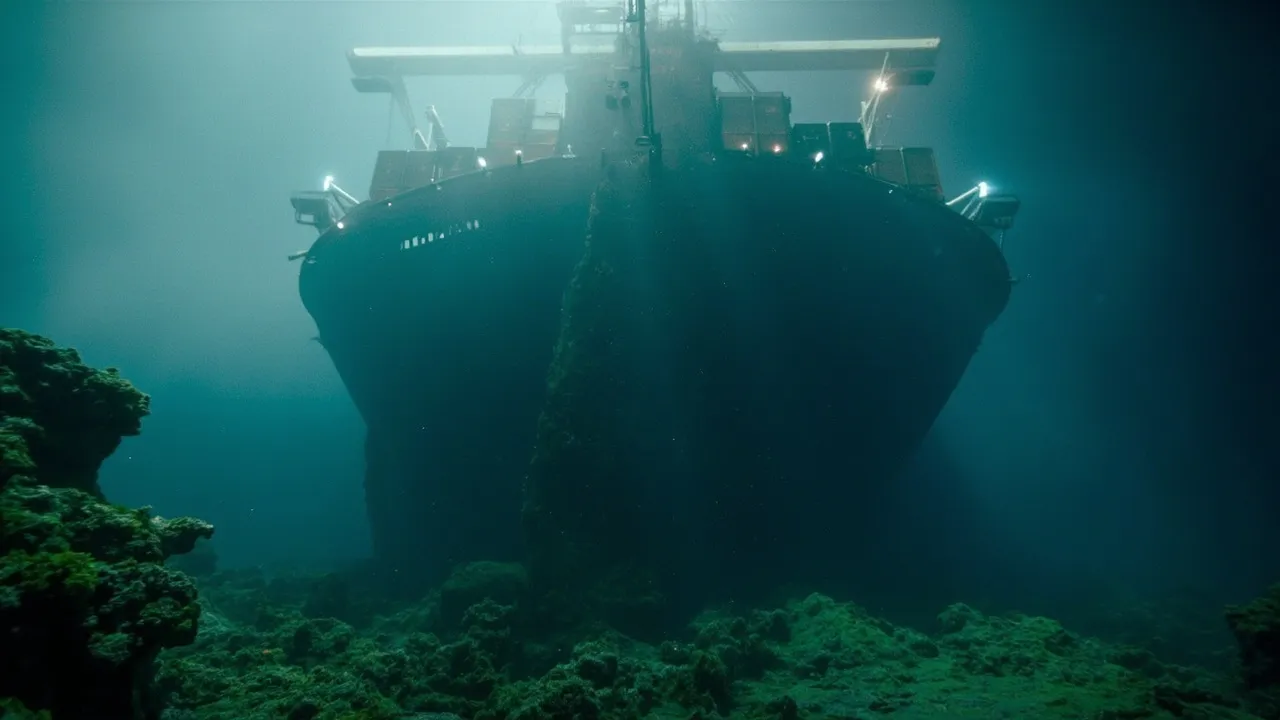
Two container ships can sail the same route at the same speed and still produce materially different emissions. The reason may be below the waterline: algae, slime, barnacles, and other organisms create surface roughness, increase hydrodynamic drag, and force the engine to burn more fuel to maintain speed.
The scale is large enough to change a freight buyer's emissions estimate. The International Maritime Organization finds that even light calcareous growth can increase a container ship's greenhouse gas emissions by as much as 55%, according to SupplyChainBrain. Another IMO-linked study reported that a fouling layer as thin as a human fingernail across half a hull can raise emissions by up to 30%. Hull condition is therefore not a maintenance footnote. It is an operating variable that belongs beside distance, speed, weather, and cargo load in voyage planning.
Why a dirty hull changes the voyage plan
A clean hull moves through water with less resistance. As fouling accumulates, the vessel needs more propulsion power to hold the planned speed. The operator then faces three practical choices: burn more fuel, reduce speed and accept a later arrival, or schedule cleaning and lose operating time.
Each choice affects cargo owners. Extra fuel raises voyage cost and emissions. Slower sailing can threaten inventory commitments and connecting services. Cleaning can alter the vessel schedule, berth plan, or equipment rotation. A plan that assumes the vessel will perform at its clean-hull baseline hides all three risks.
Fouling does not develop uniformly. Warm water, nutrient-rich ports, long anchorage stays, and low-speed operation can accelerate growth. FreightWaves reported that accumulation risk rises significantly when a vessel spends extended time idle. That makes congestion history relevant to the next voyage: yesterday's port delay can become tomorrow's fuel penalty.
Antifouling is an operational and regulatory choice
Shipowners use antifouling coatings to slow biological growth, but coating selection is not simply a contest for the longest service life. Performance varies with vessel speed, activity level, operating waters, application quality, and time since dry dock. A coating suited to a frequently moving vessel may perform differently on a ship that waits at anchor or enters prolonged lay-up.
Environmental rules add another constraint. Regulators restrict some biocidal substances because compounds released into the water can harm marine ecosystems. IMO rules also prohibit or limit hazardous antifouling systems, including organotin compounds and cybutryne. Operators must balance drag reduction, coating durability, local requirements, cleaning methods, and the risk that in-water cleaning will release organisms or coating material.
This makes the dry-dock window commercially important. A vessel may need blasting, coating renewal, propeller polishing, or more substantial surface work. Delaying that work can preserve near-term capacity but increase fuel consumption. Bringing it forward can improve performance but removes the ship from service. Voyage planners need the maintenance outlook before promising a cost, transit time, or emissions result.
Build a hull-condition record
Cargo owners do not need underwater cameras in their transportation management system. They need a compact, auditable record that explains whether the vessel's performance assumption is credible. At minimum, the record should include:
- Inspection status: Date, location, method, and result of the latest hull and propeller inspection.
- Maintenance events: Cleaning, propeller polishing, coating application, dry-dock date, and next planned intervention.
- Operating exposure: Time spent idle or at low speed, recent anchorage days, and operation in warm or high-fouling waters.
- Performance deviation: Actual fuel use or required propulsion power versus a weather- and draft-adjusted baseline at comparable speed.
- Decision threshold: The deviation that triggers inspection, cleaning, speed adjustment, or maintenance review.
The performance deviation matters most. A visual rating alone does not reveal the full fuel penalty, while rising power demand can signal surface degradation before the next scheduled inspection. Teams should compare like with like: similar speed, draft, trim, wind, waves, and current. Without those corrections, weather can be mistaken for fouling or fouling can be dismissed as weather.
The record should also carry timestamps. A clean-hull statement made six months earlier says little after repeated tropical port calls and weeks at anchor. Recency turns a static certificate into useful planning evidence.
Ask for defensible voyage-emissions data
Generic grams-per-tonne-kilometer factors are useful for portfolio estimates, but they cannot prove the performance of a particular sailing. Shippers seeking defensible data should request the vessel, voyage, distance, cargo allocation method, fuel consumed, fuel type, and the treatment of ballast legs and transshipment. They should also ask whether the calculation uses actual fuel measurements or a modeled clean-hull curve.
If modeled data is used, the carrier should disclose the model date, the assumed surface condition, and how weather, draft, and speed were normalized. If actual data is used, the buyer should still request the latest hull-condition evidence because a high-consumption voyage without context is difficult to diagnose.
A useful procurement requirement is simple: report the baseline, the actual result, and the cause of material variance. When fuel consumption exceeds the adjusted baseline, the record should distinguish weather, speed recovery, congestion, cargo load, engine performance, and hull condition. This is far more actionable than a single emissions number.
Put hull condition into the shipment workflow
Hull condition should become an exception signal, not another spreadsheet. Before booking, planners can flag vessels with stale inspections, extended idle periods, or unexplained performance deterioration. During execution, schedule and speed changes can update the emissions forecast. After arrival, actual fuel and voyage data can close the record and improve future carrier comparisons.
CXTMS helps freight teams connect bookings, vessel schedules, milestones, documents, cost, and emissions evidence in one operational workflow. Instead of accepting a generic average, teams can preserve the assumptions and exceptions behind each shipment's carbon result.
Request a CXTMS demo to see how structured ocean-freight data can support more reliable voyage planning and defensible emissions reporting.