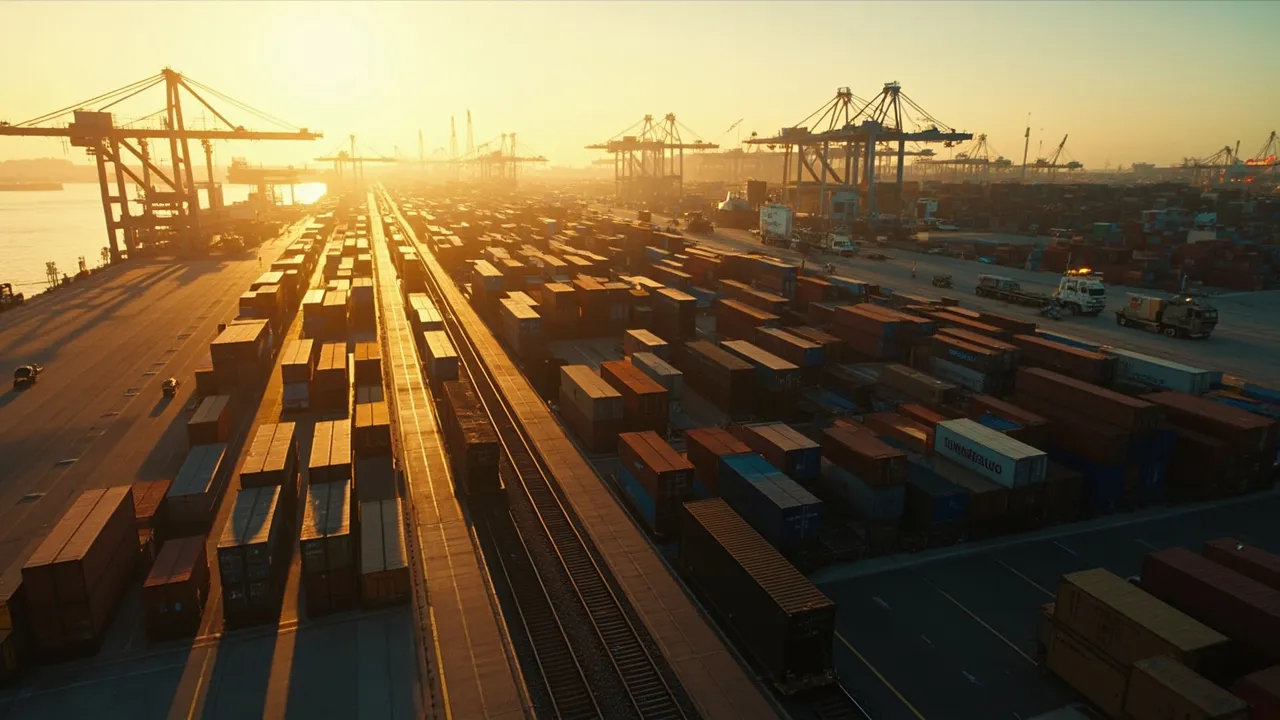
A 100-Port Dockworker Strike Needs a Cargo-Criticality Release Plan

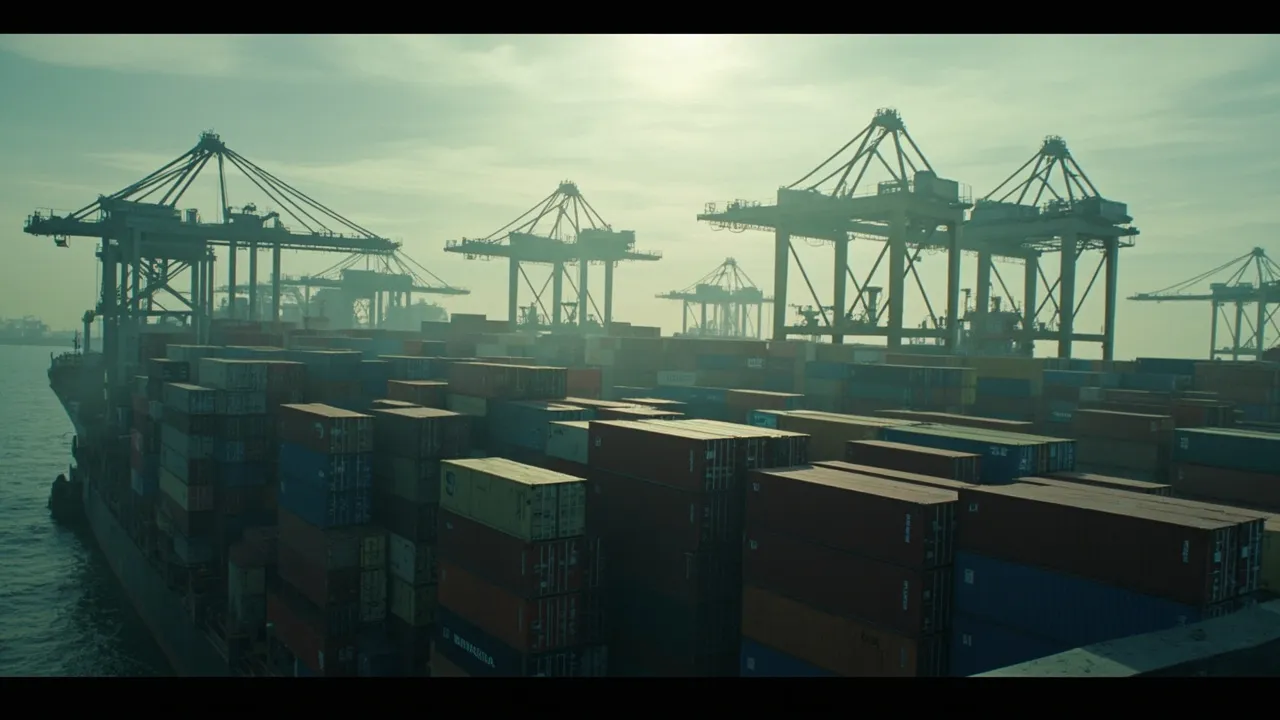
A port disruption does not affect every container equally. A refrigerated pharmaceutical load, a component that can stop a production line, and replenishment stock with six weeks of cover may sit in the same queue, but releasing them in arrival order treats radically different business consequences as if they were identical.
That problem became global on October 30, when dockworkers coordinated industrial action at more than 100 ports. Reuters reported that the action targeted arms shipments and involved ports across multiple countries. Whatever the cause or duration of a stoppage, the operational lesson is broader: shippers cannot wait for terminals to reopen before deciding which cargo matters most.
They need a cargo-criticality release plan prepared before queues compound.
Measure exposure beyond the affected port
The first assessment should identify every shipment connected to an affected gateway: cargo already discharged, boxes on vessels at berth, vessels waiting offshore, exports gated into terminals, and bookings still able to divert. The inventory picture should also include the next dependent node. A container is not truly recovered if it leaves the terminal but encounters a full rail ramp, unavailable chassis, closed distribution center, or missed receiving appointment.
Backlogs grow faster than the headline closure suggests. After the 2024 U.S. East and Gulf Coast strike, Supply Chain Dive reported that each day of closure could take three to five days to clear. The three-day stoppage was expected to affect port turnaround times and operations for at least two weeks.
Congestion in one leg can be enormous even without a full shutdown. FreightWaves recently reported that nearly 35,700 import containers were awaiting on-dock rail service at Los Angeles and Long Beach. That is why exposure analysis must cover terminal, drayage, rail, warehouse, and customer capacity together.
Rank cargo with a consistent score
Release priority should be calculated from business impact, not from the loudest escalation. A practical score includes five dimensions:
- Safety and regulatory risk: medicines, medical devices, hazardous materials, and goods subject to temperature or compliance limits.
- Perishability: remaining shelf life, refrigeration status, reefer power exposure, and the time available before quality deteriorates.
- Production-stop risk: inventory on hand at the consuming plant, daily usage, qualified substitutes, and the financial impact of a shutdown.
- Contractual exposure: customer commitments, penalties, allocation rules, cancellation windows, and strategic-account consequences.
- Recovery options: alternate gateways, transload sites, modes, suppliers, and available inventory elsewhere in the network.
Each shipment should receive a criticality tier and a latest-action date. Tier 1 might cover life-safety cargo, imminent production stops, and perishables approaching a hard limit. Tier 2 could include contractual risks without immediate safety or shutdown exposure. Cargo with adequate inventory cover and flexible delivery windows belongs lower in the queue.
The model should remain explainable. A planner, customer-service lead, and executive should be able to see why one load moved ahead of another. Overrides need a named approver and an audit trail; otherwise, commercial pressure will quietly replace the agreed priorities.
Pre-authorize decisions before the disruption
A ranking has limited value if every intervention requires a new meeting. Business-continuity teams should establish decision rights and spending limits in advance.
For each criticality tier, define who may change the port of discharge, purchase premium drayage, switch from ocean to air, split a shipment, authorize demurrage, reserve cold storage, or allocate constrained inventory among customers. Set cost thresholds and the evidence needed for approval. Where alternate ports are viable, validate customs capability, broker coverage, inland mileage, carrier acceptance, and receiving hours before an event occurs.
Diversion is not automatically recovery. Sending vessels to another gateway can transfer congestion into a terminal, road, or warehouse network with less spare capacity. The decision must compare the expected release time at the original port with the complete landed path through the alternative.
Customer allocation deserves the same preparation. If supply will be short, rules should specify whether inventory protects safety stock, contractual minimums, production continuity, or a proportional share of demand. Pre-agreed rules allow customer teams to communicate early and consistently.
Recover by capacity, not arrival order
When labor returns, terminals naturally work through operational sequences shaped by vessel position, crane plans, yard stacks, and available gangs. Shippers still need their own downstream sequence.
The release plan should match each priority container with a feasible pickup slot, chassis, driver, warehouse door, labor team, and onward appointment. Releasing ten high-priority boxes simultaneously accomplishes little if the destination can unload only four. Planners should meter cargo into the inland network based on confirmed capacity and prevent low-priority freight from occupying scarce doors or equipment.
Use terminal readiness and downstream capacity as explicit gates. Before authorizing a move, confirm:
- the container is physically available and customs-cleared;
- equipment and a pickup appointment are secured;
- the destination has inventory and labor capacity;
- the onward customer or production requirement still justifies the priority; and
- a fallback exists if the planned handoff fails.
Recovery metrics should include critical cargo released, containers past their latest-action date, dwell by criticality tier, reefer exceptions, missed production requirements, and downstream capacity utilization. Total boxes moved is useful, but it can conceal failure if the most consequential cargo remains trapped.
Build one disruption control view
Coordinated port action exposes the weakness of managing orders, containers, inventory, appointments, and customer commitments in separate systems. A control view should connect ocean milestones with item-level business impact and the inland resources needed to complete recovery.
CXTMS helps logistics teams organize shipment priorities, coordinate alternate capacity, monitor milestones, and direct attention to the exceptions with the greatest operational consequence. Request a CXTMS demo to see how a shared transportation control layer can turn a port-disruption playbook into executable decisions.