GEODIS Doubled Picking Throughput With AMRs: Measure Travel Removed, Not Robots Added

Warehouse robotics business cases often begin with a fleet size. GEODIS's experience in Plainfield, Indiana, suggests a better starting point: measure how much non-value-added travel the system can remove from every picker's day.
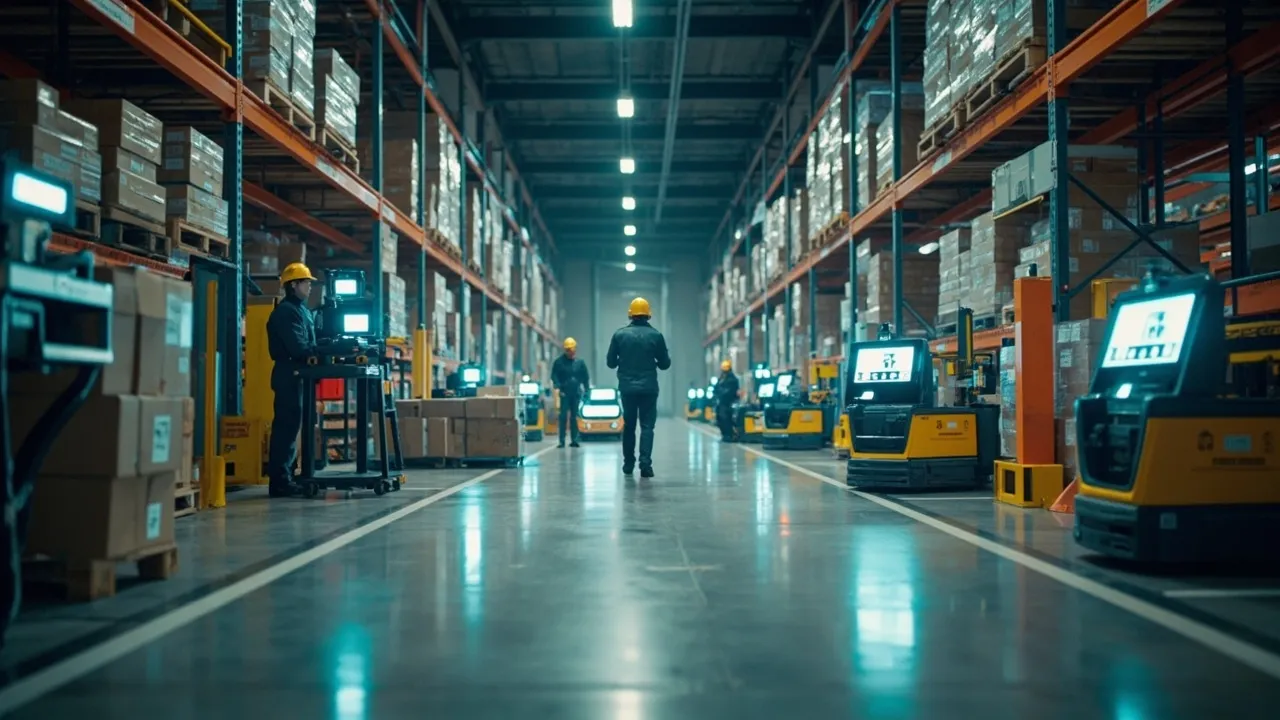
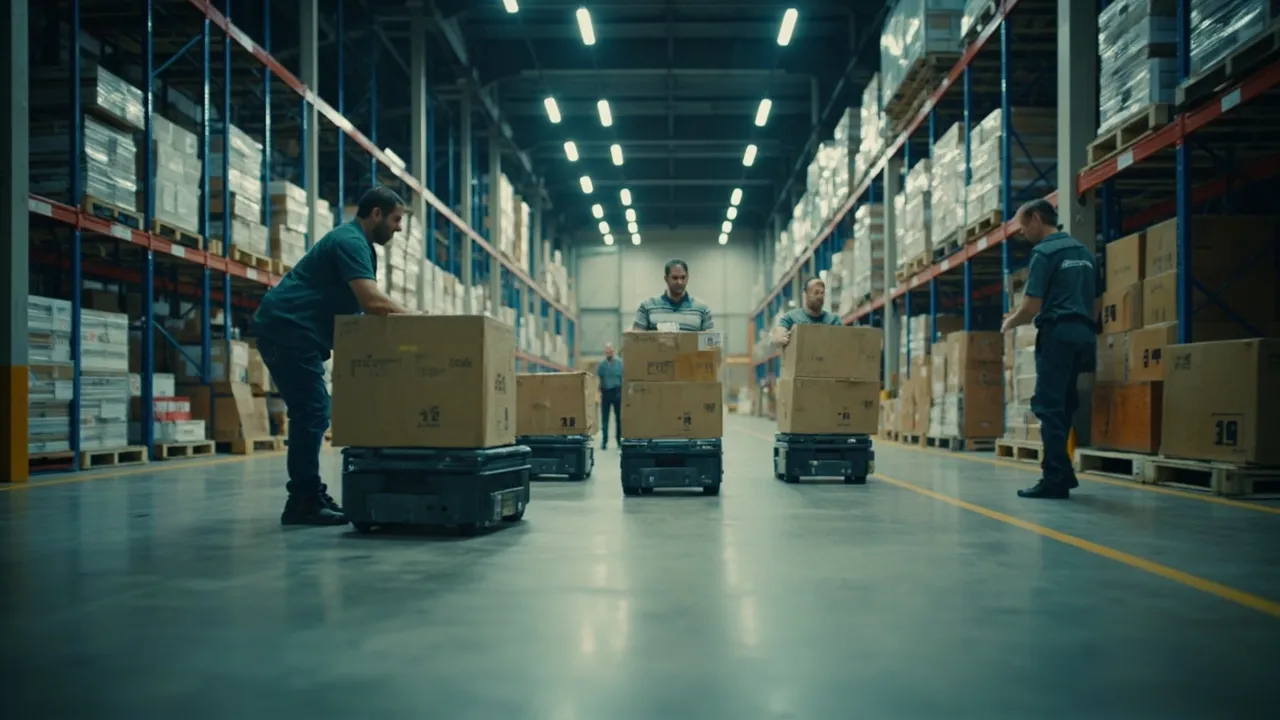
At the 600,000-square-foot operation, associates previously drove electric pallet jacks through pick paths, built pallets, and delivered completed loads to staging. Autonomous pallet robots now perform the driving while people continue to pick cases. According to Modern Materials Handling's system report, productivity increased 85% on average, with some days reaching a 150% improvement. GEODIS describes the practical result as picking twice as much as it did with manual pallet jacks.
Those numbers are compelling, but the robots alone did not create them. The improvement came from redesigning travel, work release, staging, training, and exception management as one system.
The Baseline Should Separate Picking From Driving
About 75% of the Plainfield facility's volume is case picked. During the pandemic, higher pet-product demand pushed the operation from two shifts with nine electric pallet jacks per shift to three shifts around the clock. That history matters because it defines the constraint: employees were spending productive capacity moving themselves and completed pallets across a large building.
Before evaluating AMRs, operators should time a representative set of tasks and separate each activity:
- Travel from the induction point to the first pick
- Travel between pick locations
- Physical case handling and pallet building
- Scanning, confirmation, and exception entry
- Delivery of a completed pallet to staging
- Searching for an open or correctly assigned staging lane
- Congestion, waiting, and equipment delays
GEODIS and its robotics partner began with a useful low-cost simulation. People manually moved equipment as if it were autonomous, while the project team timed picks without the pallet-jack travel. That exposed the attainable units-per-hour improvement before a full technology integration was complete.
This is the right test. If removing modeled travel produces only a small gain, buying more robots will not repair poor slotting, long replenishment waits, or excessive touches.
Integration Converts Travel Savings Into Throughput
At Plainfield, the warehouse management system releases orders through a wave template to the warehouse control system. Robotic tasks then move to an orchestration engine, which assigns work and routes each robot. Orders must be divided into pallet-level tasks because one robot carries one pallet at a time.
The design also sends completed pallets directly to the staging lane assigned to the order. That eliminates another hidden source of labor: associates searching the dock for pallets left in the wrong location. When a robot cannot reach its assigned lane, it requests assistance rather than silently creating a downstream mystery.
That workflow highlights four integration questions every acceptance test should answer:
- Does the WMS release enough work to keep robots and pickers productive without flooding the floor?
- Do short picks, skipped picks, blocked aisles, and inaccessible staging lanes create visible exceptions with clear owners?
- Can replenishment keep the robotic pick area supplied at the new consumption rate?
- Can supervisors see work in progress, robot locations, remaining tasks, and expected completion in real time?
The fourth point emerged after go-live. GEODIS initially received information that was 24 hours old—far too late to manage an active shift. Real-time dashboards were subsequently improved. Automation needs operational telemetry, not merely a next-day productivity report.
Training and Safety Belong in the ROI Model
Manual pallet-jack picking required new employees to learn equipment operation, the WMS, the facility's pick pattern, and staging rules. In the robotic process, an interface guides the picker through the task and provides buttons for common exceptions. GEODIS reported that new robotic pickers typically started at a 200% performance level compared with the previous setup.
The safety result is equally important. Powered-industrial-equipment incidents declined from seven in 2022 to two during the following 24 months. That is not proof that every AMR deployment will achieve the same reduction, but it is a measurable outcome that belongs beside units per hour and labor savings.
Track training hours to independent performance, travel distance per associate, powered-equipment exposure hours, near misses, and recordable incidents. Otherwise, a business case may undervalue benefits that do not appear in a simple labor calculation.
A Practical Acceptance Test
Run the manual baseline and automated pilot against comparable order profiles, SKU velocity, case weights, staffing, and shift lengths. A four-week test should capture ordinary variability rather than one showcase day.
Define pass/fail thresholds before launch:
- Picks or cases per paid labor hour improve by the promised amount
- Order accuracy and damage rates do not deteriorate
- Replenishment backlog remains within the established limit
- Completed pallets reach the correct lane within the target time
- Dock dwell and loading productivity do not worsen
- Exceptions are resolved within a documented service level
- Safety events and congestion exposure stay at or below baseline
Also measure total labor across picking, replenishment, supervision, maintenance, and staging. A solution has not doubled throughput if it merely transfers hours to another department. At Plainfield, the added capacity helped GEODIS return from three shifts to two and reduce the average daily picker count, while offering affected employees opportunities elsewhere in its network. That is a system-level result, not just a faster pick rate.
Manage the Flow, Not Just the Fleet
The lesson from Plainfield is not that every warehouse should buy AMRs. It is that travel is inventory in motion without customer value. Quantify it, simulate its removal, and then verify that WMS integration, replenishment, staging, and exception workflows can absorb the resulting speed.
CXTMS helps logistics teams connect warehouse execution with orders, inventory, transportation planning, and delivery milestones so added picking capacity translates into reliable outbound flow. Request a CXTMS demo to see how a unified operational view can support your automation program from release through shipment.