Foodservice Distribution’s Next Upgrade Is a Case-Level Delivery Exception Record

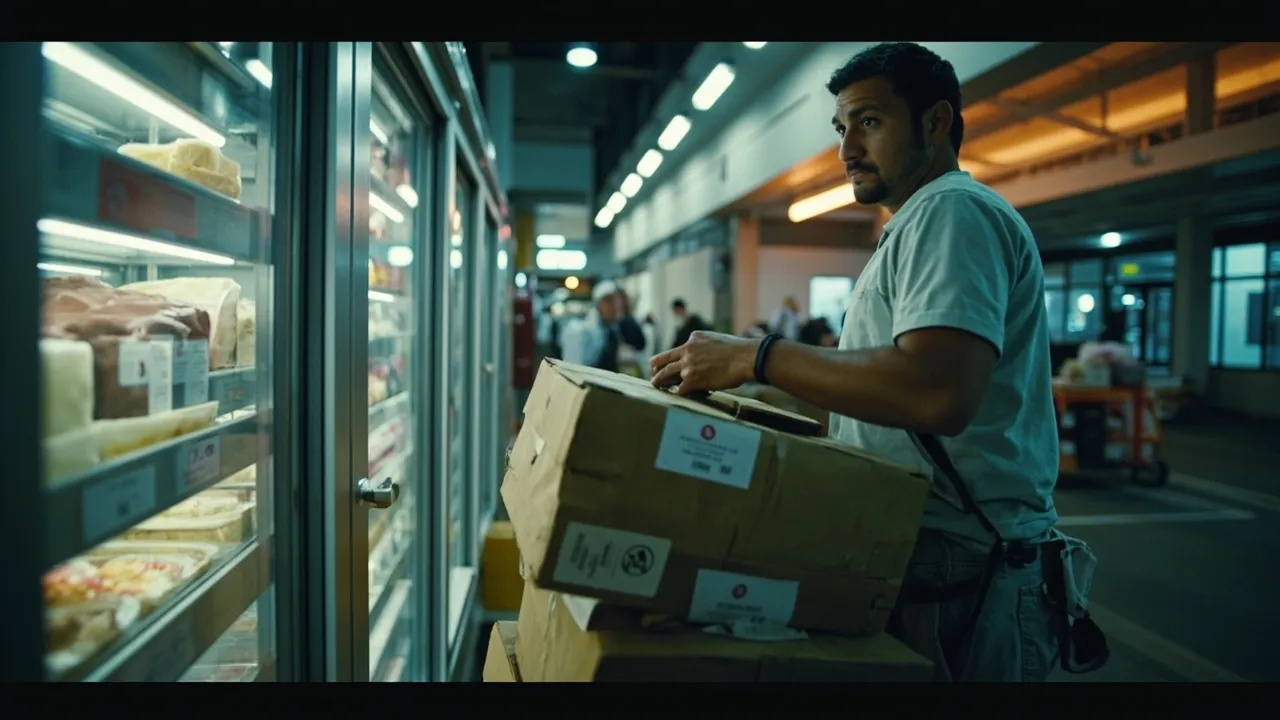
Foodservice distributors do not really deliver stops. They deliver hundreds of individual promises packed into cases: the right product, in the right quantity and condition, at the right temperature, before a restaurant begins prep. Yet many delivery systems still record service at stop level. A signature can close the stop even when three cases were short, one substitute was rejected, and a damaged case is headed back to the distribution center.
That gap is becoming harder to defend. The agenda for the 2026 IFDA Solutions Conference highlights technology adoption, workforce needs, transportation demands, regulation, and rising supply-chain expectations as central concerns for foodservice distributors. A case-level delivery exception record sits at the intersection of all five. It turns a delivery dispute into a structured operational event that can be traced, owned, and resolved.
Why stop-level proof is no longer enough
A conventional proof-of-delivery record answers a narrow question: did the truck visit the customer? Foodservice customers need more. They need to know what happened to each disputed case and when a replacement or credit will arrive.
The distinction matters because exceptions have different causes and remedies:
- A short case may trace back to inventory availability, picking, loading, or a delivery error.
- A substitution may be authorized, rejected at the door, or accepted with a price adjustment.
- A temperature exception requires sensor evidence, product disposition, and food-safety review.
- Damage may occur before loading, in transit, or during unloading.
- A return needs a reason, custody confirmation, and connection to the eventual customer credit.
When all five become free-text notes attached to a completed stop, operations teams must reconstruct the truth across warehouse, transportation, customer-service, and finance systems. That adds labor, delays credits, and makes recurring causes difficult to measure.
The case is already becoming the digital unit
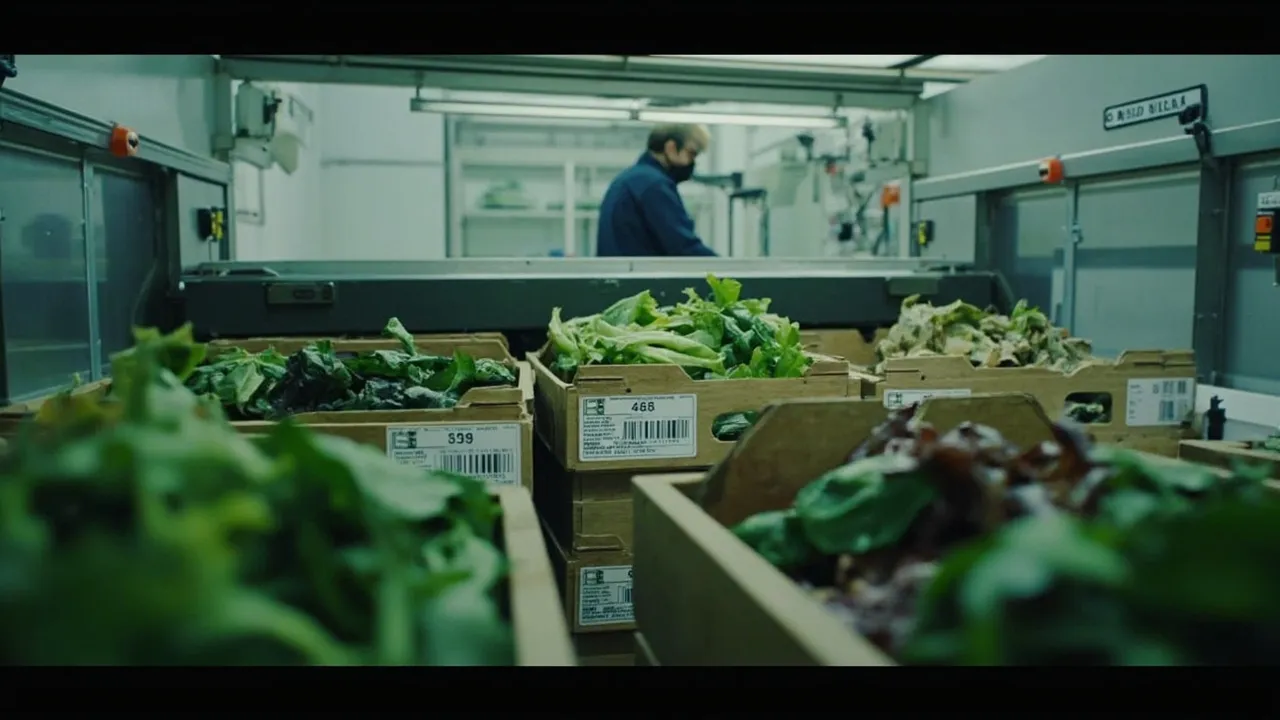
Food distribution is not starting from zero. Food Logistics reports that an estimated 70% of food cases in the U.S. supply chain carry Produce Traceability Initiative-compliant tracking labels. Those labels are intended to be scanned as products move through distribution. The same identifier that supports traceability can anchor the commercial delivery record.
This is especially important in the cold chain. Food Logistics notes that live temperature visibility allows teams to act when trailer conditions leave safe ranges instead of discovering the problem after delivery or inspection. But a trailer-level alert alone does not say which cases were exposed, accepted, quarantined, or returned. The exception record must connect the temperature event to the affected case, customer, time window, and disposition.
Case-level does not mean employees must manually type a record for every carton. The normal flow should remain scan-driven and fast. Detail is captured only when the expected and actual states diverge.
Build one chain of evidence
The useful record is not another isolated delivery form. It is a shared chain of evidence connecting four operating systems.
First, the warehouse pick record establishes the expected item, lot where relevant, quantity, picker, and scan time. Second, the route manifest confirms that the case was assigned and loaded to a truck and stop. Third, electronic proof of delivery records the actual outcome: delivered, substituted, short, damaged, temperature-rejected, or returned. Finally, the customer-credit workflow links the approved adjustment back to the original case and exception.
At the door, a driver should be able to select a reason code, scan the affected case, capture a photo or temperature reading when required, record the customer’s acceptance or rejection, and continue the route. The workflow should work offline and synchronize later because restaurant receiving areas are not reliable connectivity zones.
The resulting event should include:
- Case or handling-unit identifier and product details
- Planned versus actual quantity and disposition
- Standard reason code plus optional notes
- Timestamp, location, route, stop, and responsible user
- Supporting photo, signature, sensor reading, or customer acknowledgment
- Current owner, resolution deadline, and credit or replacement reference
That structure lets managers distinguish a pick short from a loading miss or customer refusal instead of treating every shortage as the same problem.
Assign ownership before the truck leaves
Visibility without ownership produces a better-looking backlog. Each exception type needs a default owner and a resolution clock.
Warehouse operations might receive suspected pick and load errors immediately. Transportation should own in-transit damage and delivery-process failures. Food safety should receive temperature and contamination events with urgent escalation rules. Customer service can manage substitutions and replacement commitments, while finance owns the final credit after operational validation.
Service levels should reflect customer impact. A temperature rejection may need review before the driver departs. A missing case required for that evening’s menu may demand a same-day recovery decision. A routine return or price credit may allow one or two business days. The system should pause or reroute the clock only with a recorded reason, not let cases disappear into email.
Institutional customers add another layer. Hospitals, schools, and senior-living facilities may have dietary, contractual, and receiving requirements that make an unauthorized substitute more consequential than its invoice value suggests. Exception rules should therefore consider customer type, product criticality, and delivery window rather than apply one generic priority.
Measure causes, not just claims
Once exceptions are structured, distributors can manage prevention. Useful measures include exceptions per 1,000 cases, repeat exceptions by SKU and customer, time to acknowledge, time to resolve, credit-cycle time, recovery-delivery cost, and percentage of exceptions supported by complete evidence.
The strongest analysis follows the record upstream. If shorts cluster by picker, wave, slot, or loading door, the remedy belongs in warehouse execution. If damage clusters by route sequence or equipment type, transportation processes need attention. If substitutions are frequently rejected by one customer segment, sales and inventory policies may be misaligned.
This also improves customer conversations. Instead of debating whether “the delivery was complete,” both parties can see the specific case, reason, evidence, owner, and promised resolution. That is a much firmer foundation for trust.
Start with the highest-friction exceptions
Distributors do not need to redesign every process at once. Start with two or three expensive categories—often shorts, damage, and temperature rejection—on a limited set of routes. Define reason codes carefully, integrate pick and manifest data, and measure whether drivers can capture an exception without slowing the stop materially. Then connect customer credits and expand.
The strategic shift is simple: a signed stop is not the same thing as a fulfilled order. Foodservice distribution’s next upgrade is to preserve the truth at the level where the customer experiences it—the case.
Ready to connect delivery exceptions, transportation workflows, and customer resolution in one operating view? Request a CXTMS demo and see how structured transportation data can make every exception actionable.