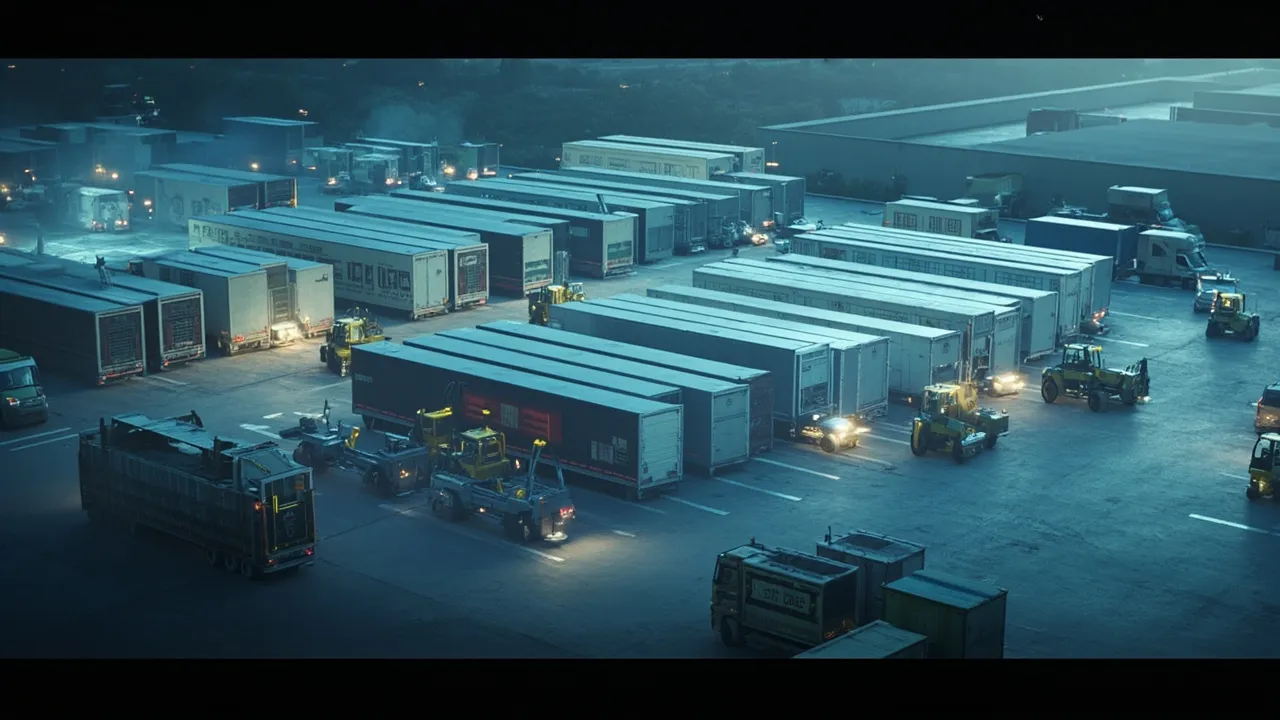
Enterprise Yard Operations Are Becoming a Managed Control Layer

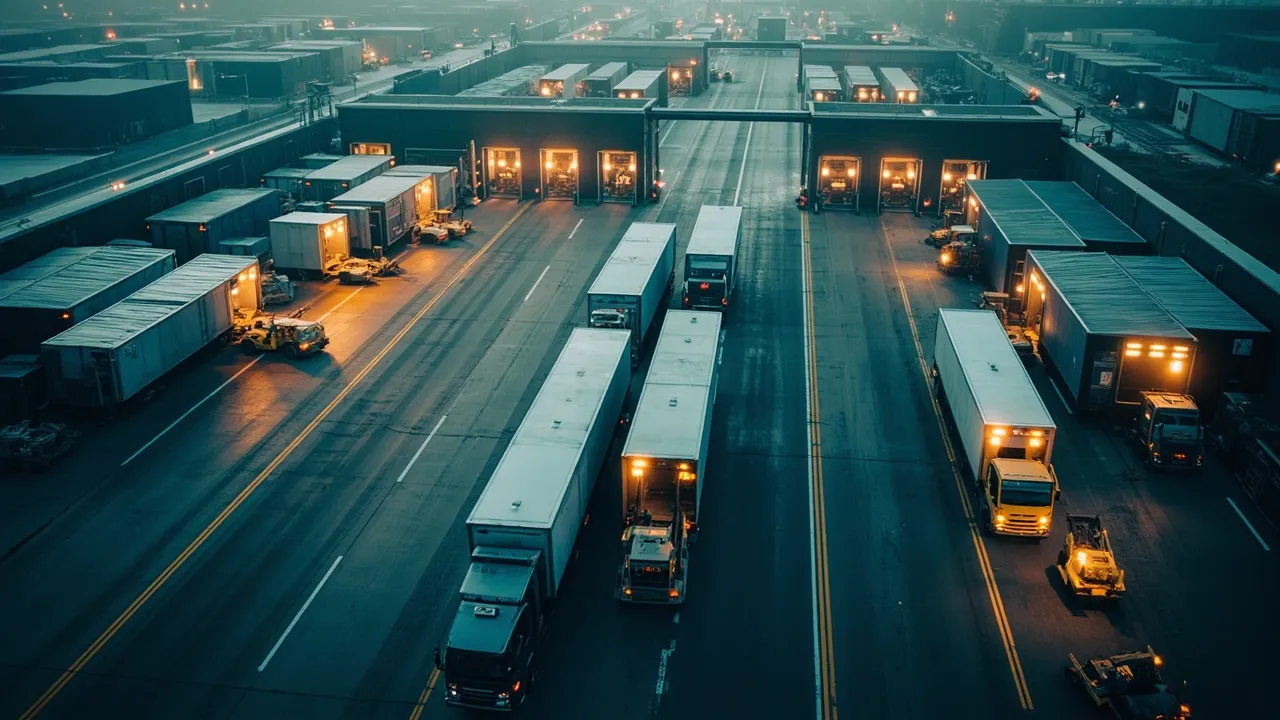
For years, the yard was managed as a local operating problem. A gate clerk maintained one queue, a dock supervisor worked from another, and yard drivers relied on radio calls or printed move lists. That approach can keep one facility moving, but it does not give an enterprise consistent control over a network of yards.
The model is changing. Enterprise yard operations are becoming a managed control layer between transportation and warehouse execution. This layer does more than display where trailers are parked. It turns appointments, arrivals, inventory, moves, dock status, and departures into a common event stream from which teams can make faster and more consistent decisions.
The business case starts with time. A 2025 detention study covered by FreightWaves uses the industry convention that detention begins when dwell exceeds two hours. That threshold is not merely a carrier billing rule. It is a useful operational boundary: every avoidable minute before and after it consumes driver capacity, trailer capacity, gate space, and dock flexibility.
Build one event model for the entire yard
Enterprise control requires a shared definition of what happened and when. Six connected event groups form the backbone:
- Appointments: requested, confirmed, rescheduled, canceled, early, on time, or late.
- Gate events: arrived, identity verified, checked in, rejected, admitted, and checked out.
- Trailer inventory: trailer ID, load status, seal, carrier, shipment, equipment type, condition, and current location.
- Yard moves: move requested, assigned, accepted, started, completed, or exception reported.
- Detention: free-time clock started, warning threshold reached, detention started, carrier notified, and equipment released.
- Dock readiness: door available, labor ready, product or paperwork ready, unloading started, loading completed, and door released.
The value comes from linking these events to the same shipment, trailer, appointment, door, and facility identifiers. A late inbound trailer should automatically change the expected door demand. A completed unload should create a move request or carrier-release notification. A blocked door should prevent the system from dispatching another trailer into a queue that cannot move.
This joined-up view matters because local symptoms often have upstream causes. Food Logistics describes the visible signals as late trucks, congested gates, occupied dock doors, rising dwell, and inventory exceptions. A control layer connects those signals so the enterprise can distinguish a carrier-arrival problem from a labor, door, paperwork, or move-priority problem.
Standardize decisions without removing local authority
Automation works best when rules are explicit and the cost of reversal is low. An enterprise platform can automatically validate appointments, check equipment compatibility, send arrival instructions, warn on detention risk, prioritize routine moves, and notify carriers when empty equipment is ready. It can also recommend a door based on load type, destination, labor plan, and current congestion.
Site leaders should retain authority over decisions involving safety, physical constraints, unusual cargo, labor disruptions, damaged equipment, or emergency reprioritization. A yard manager may know that a lane is temporarily blocked or that a specific door cannot accept a trailer despite what the master data says.
The right design is controlled exception handling. The system proposes or executes the standard decision, while authorized staff can override it using a reason code. Those overrides then become data. If one facility repeatedly rejects automated door assignments for the same reason, the enterprise has found a bad rule, incomplete master data, or an unmodeled constraint.
Run the network from a shared scoreboard
A control layer needs measures that expose flow, not just activity. At minimum, track:
- arrival-to-gate-clear time and gate transaction time;
- gate-to-parking and gate-to-dock time;
- total trailer dwell, segmented by loaded, empty, inbound, and outbound equipment;
- moves per yard driver hour and move-request-to-completion time;
- trailer turns per day and inventory accuracy by location;
- appointment adherence, missed appointments, and schedule recovery time;
- door utilization, dock dwell, and unload or load duration;
- detention events, hours, and cost by facility, carrier, lane, and cause;
- downstream service, including on-time departure and on-time delivery.
These metrics should be compared by operating context rather than flattened into one league table. A high-volume cross-dock and a temperature-controlled distribution center have different constraints. The enterprise should standardize definitions and exception codes while allowing targets to reflect facility type, product handling, and service promise.
Inbound Logistics recommends reviewing on-time arrival, gate-to-dock time, spot-move turn time, dock dwell, and unload duration together. That is the crucial shift: transportation, yard, and warehouse teams work from one scoreboard rather than defending separate numbers.
Move from visibility to closed-loop control
Dashboards alone do not improve a yard. The operating loop must connect detection, decision, action, and verification. If dwell approaches the two-hour detention boundary, the system should identify the constraint, recommend the next action, assign an owner, and confirm completion. If a move remains unaccepted, it should escalate before the missed move causes a door to sit idle.
Rollout should begin with clean identities and timestamps at one or two representative sites. Establish event definitions, instrument the gate and move process, integrate appointment and dock status, then measure exceptions for several operating cycles. Expand only after teams trust the data and override patterns have been reviewed. This produces a reusable control model instead of installing another isolated yard application.
The strategic payoff is network predictability. An enterprise can see which sites are absorbing variability, which rules produce better trailer turns, and where a local delay will threaten downstream service. The yard stops being a blind spot between the TMS and WMS and becomes an actively managed part of transportation execution.
Ready to connect yard events with transportation planning and execution? Request a CXTMS demo to see how a unified control layer can improve visibility, exception management, and service performance.