Duplicate Food Labels Create Recall Risk: Govern Every Print Event

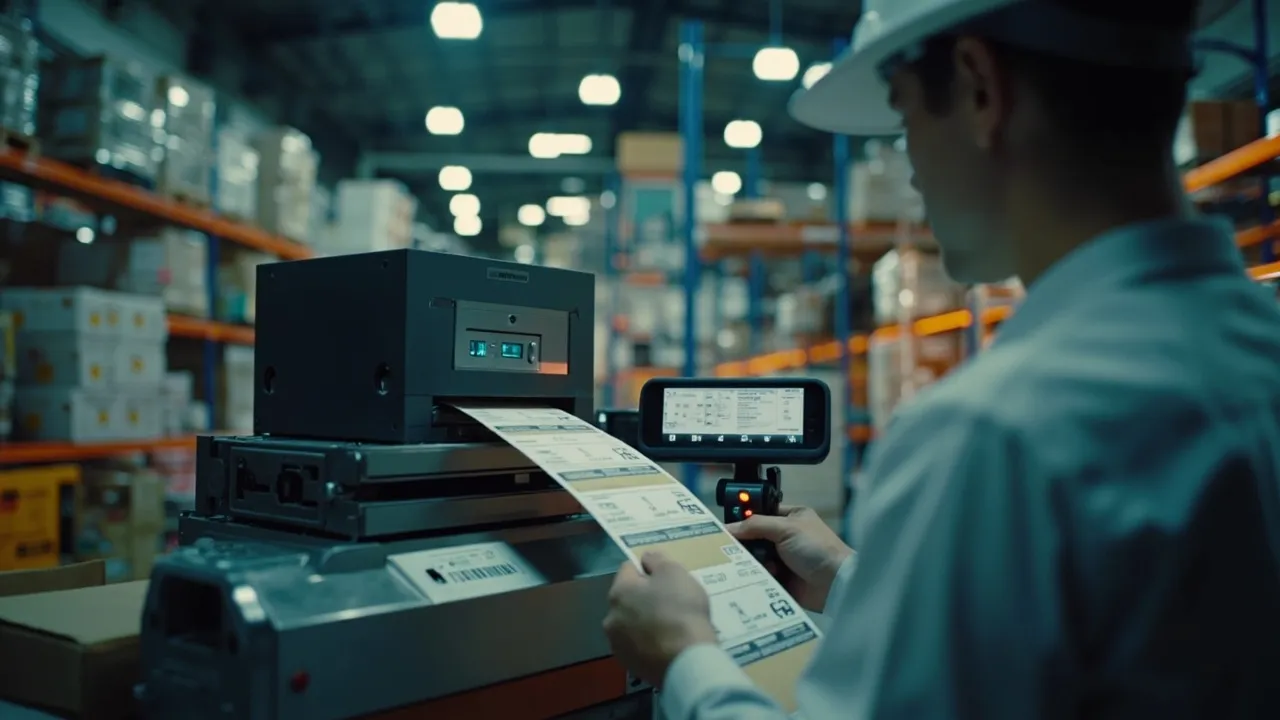
A food label is more than packaging. It is the physical key connecting a product to its lot, ingredients, production history, inventory record, and shipment destination. When two packages carry the same identity—or an unauthorized reprint puts the wrong identity on a product—that connection breaks.
The exposure is not theoretical. A Food Logistics analysis of FDA enforcement data found that labeling issues caused 192 of 422 food recall events in 2024, or 45.5%. That category includes errors such as undeclared allergens and incorrect product information, but the operational lesson is broader: weak control over label creation can turn a contained defect into an uncertain population of goods.
Duplicate labels are particularly dangerous because they create false confidence. A barcode may scan successfully while pointing to the wrong case, lot, or expiration date. The system appears precise, yet investigators cannot determine which physical unit moved where. Instead of recalling one confirmed lot, a company may have to widen the scope to every shipment that could contain the mislabeled product.
Treat printing as a controlled transaction
Many operations govern production orders and shipment releases but treat printers as peripheral devices. That is the gap. Every print event should be a controlled transaction tied to a business object: a production batch, case pack, pallet build, receipt, or shipment.
A sound label-governance model controls five elements:
- Templates: Keep one approved version for each product and customer requirement. Limit editing rights, document approvals, and prevent local copies from becoming unofficial masters.
- Serial and lot ranges: Allocate identifiers centrally and reject reuse. The system should know which numbers were issued, printed, applied, voided, or destroyed.
- Reprints: Require a reason code and a reference to the original job. A reprint must not silently create another valid identity.
- Offline printing: Define what sites may print during an outage, which cached templates they may use, and how offline events will be synchronized before normal work resumes.
- Reconciliation: Compare labels printed with units produced, packed, received, shipped, scrapped, and remaining on hand.
This design changes the question from “Did the printer work?” to “Was this label authorized, unique, applied to the correct product, and accounted for?”
Put friction in the right place
Reprints are necessary. Labels tear, adhesive fails, printers jam, scanners reject poor contrast, and customers change requirements. Eliminating reprints is unrealistic; making them invisible is reckless.
Operators should select a reason such as damaged label, unreadable barcode, incorrect data, printer failure, or customer-directed replacement. High-risk events should require supervisor approval—for example, reprinting after a pallet has shipped, printing an unusually large quantity, using a serial number already marked as applied, or requesting repeated reprints for the same job.
The workflow should also define what happens to the original. If it is damaged, it can be scanned into a destruction record or placed in a controlled waste container. If it cannot be found, the event becomes an exception for investigation rather than an ordinary replacement. That distinction matters because one missing original plus one valid reprint can mean two physical products now share one identity.
Apply the same rules across plants, co-packers, warehouses, and 3PL facilities. A central plant with strict controls gains little if an external warehouse can download a template, alter a field, and print an unlimited batch without an audit trail.
Build controls for the 24-hour clock
Traceability requirements raise the value of clean label history. Food Logistics notes that, under FSMA Section 204, companies may need to provide traceability records to the FDA within 24 hours of a request. Another Food Logistics report explains that the compliance date has been shifted to July 20, 2028, but the operational capability should not wait for the deadline.
When a request arrives, teams should be able to retrieve the approved template version, print timestamp, printer and site, operator, source transaction, quantity, identifier range, reprint reason, approval, and destruction record. Those events should connect to production, inventory, and transportation data without a spreadsheet reconstruction.
Run mock recalls that test the physical-digital link, not just database availability. Select a shipped case and trace its label back to the print event and production lot. Then select a print event and trace every associated unit forward to inventory, customers, disposal, or documented destruction. If either direction produces unexplained duplicates or quantity gaps, the recall boundary is unreliable.
Audit quantities before regulators ask
Daily or per-shift reconciliation can reveal problems while the product is still inside the facility. Compare the number of labels issued with good production, scrap, warehouse receipts, shipped units, labels remaining, and labels destroyed. Establish tolerances by process; serialized case labels may justify zero unexplained variance, while preprinted nonserialized stock may need a different control.
Useful exception metrics include reprints per thousand labels, missing-original events, offline print duration, jobs using obsolete templates, serial collisions, quantity variances, and reprints by operator, shift, printer, site, and customer. Trends matter. A rising reprint rate on one line may indicate worn equipment or poor training, while bursts of after-hours printing may expose an access-control problem.
Label governance is ultimately recall governance. Unique identities, controlled reprints, and complete reconciliation let a company isolate affected goods with evidence. Weak controls force it to assume the worst—and recall more product than the incident required.
CXTMS connects shipment execution with auditable operational records, helping logistics teams preserve the chain of evidence across facilities and partners. Request a CXTMS demo to see how governed logistics workflows can strengthen recall readiness.