Disconnected Inventory Systems Create Phantom Shortages—Build One Commitment Ledger

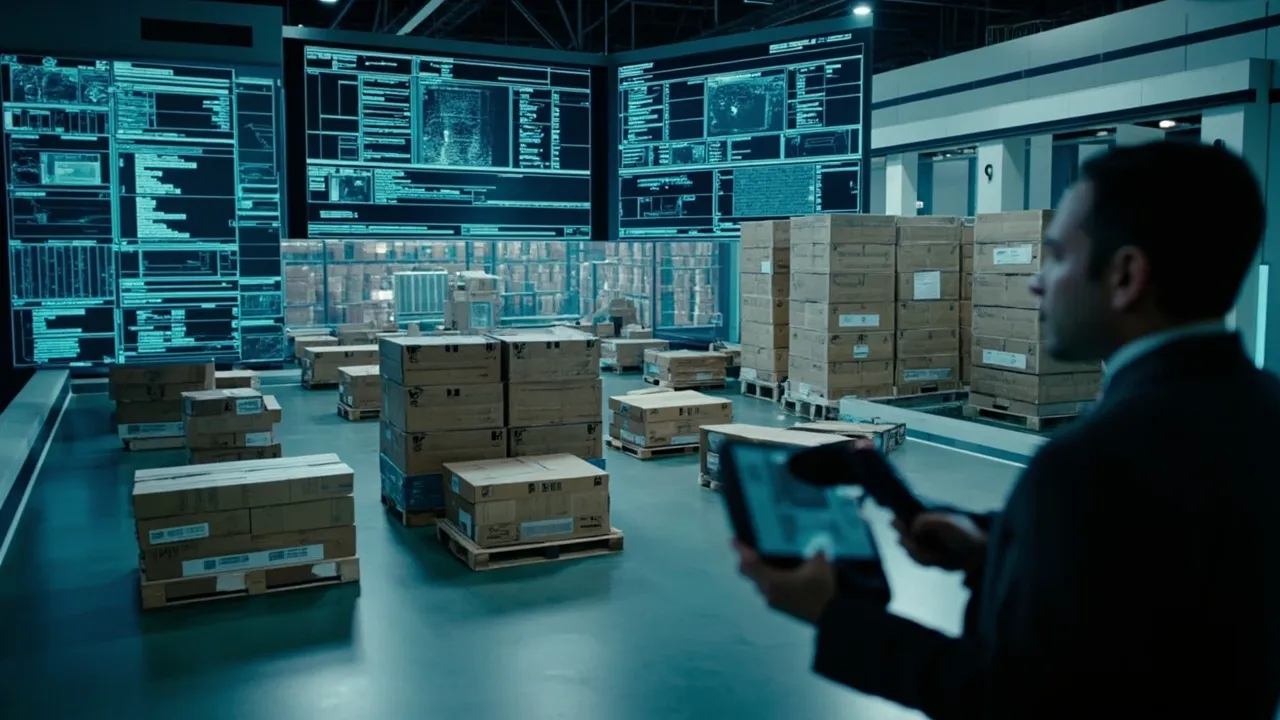
A warehouse can hold the right product and still report a shortage. The reverse is just as dangerous: an order-management screen can show units as available even though quality has quarantined them, another customer already owns them, or the inbound shipment is late. Neither problem begins with an empty shelf. It begins when systems disagree about what inventory means.
The usual response is another dashboard. That helps people see more numbers, but it does not decide which number can support a purchase order or customer promise. The stronger control is an inventory commitment ledger: one governed record that separates physical stock from usable supply, records every claim against it, and exposes discrepancies before a planner acts.
The real shortage may be a synchronization failure
Disconnected planning, ERP, warehouse, order, quality, and transportation systems update at different speeds. An ERP may post a receipt when ownership transfers. A WMS may wait until the pallet is scanned into a location. A transportation platform knows the truck is delayed, while the planning engine still assumes the scheduled arrival. Each view can be internally correct and operationally incompatible.
Inbound Logistics describes the cost of disconnected systems in the context of a planning world that once tolerated 12-to-18-month sourcing horizons. Today's operating cadence is far less forgiving. When a buyer sees a stale shortage, the business can place a duplicate order, pay premium freight, and carry excess stock weeks later. When sales sees stale availability, the company can promise inventory twice.
The consequence is not simply poor inventory accuracy. It is a bad commitment decision made from an undefined quantity.
Stop treating every unit as available
A useful ledger keeps inventory states separate instead of compressing them into one “on hand” field:
- On-hand: Physically received units, whether or not they can be used.
- Available: On-hand units that have passed required controls and remain uncommitted.
- Allocated: Units reserved against a named order, production job, or transfer.
- In-transit: Units moving between known origins and destinations, with an expected arrival and confidence level.
- Quarantined: Units blocked by quality, damage, regulatory, recall, or documentation status.
- Supplier-confirmed: Future supply acknowledged by the supplier but not yet shipped or received.
These are not interchangeable balances. Supplier-confirmed stock should not support the same delivery promise as scanned, released inventory. In-transit stock needs an event timestamp and ETA. Quarantined stock needs a reason code, owner, and review date. Allocated stock needs the commitment that consumed it.
This distinction has measurable value. MHI reports that modern inventory systems connected to WMS platforms often deliver 99% inventory accuracy using real-time data. Accuracy alone is not the finish line, however. The business also needs a shared policy for turning an accurate state into an approved promise.
Assign authority by state, not by application
Declaring one application the master for all inventory sounds clean but rarely matches how work happens. Authority should be assigned field by field.
The WMS should normally own received quantity, storage location, pick confirmation, and physical adjustments. The order-management or ERP layer should own customer allocation and commercial status. Quality systems should own release and quarantine. Supplier collaboration should own confirmations, while transportation data should own departure, current milestone, ETA, and delivery evidence.
The commitment ledger does not replace those systems. It consumes their authoritative events and applies common rules. Every record should carry the SKU and lot where relevant, facility, quantity, state, source system, source timestamp, business effective time, linked order or shipment, and responsible owner. This makes conflicts diagnosable instead of hiding them inside a total.
Set a reconciliation tolerance for each state. Zero may be appropriate for controlled or serialized goods. A small timing tolerance may be reasonable for high-volume scans, provided it expires quickly. Every tolerance needs an amount, duration, owner, and escalation path; otherwise it becomes permission to ignore drift.
Make discrepancies visible before plans change
The exception ledger is the operational queue created when authoritative records fail a rule. It should identify the two conflicting values, their timestamps, the business exposure, and the next action—not merely display a red icon.
Useful exceptions include an ERP receipt without a WMS scan, an allocation greater than released stock, a shipped transfer without a recent milestone, a supplier confirmation past its ship date, or a quarantine that lacks a disposition deadline. Prioritize exceptions by customer and financial impact. A two-unit mismatch for a critical order can matter more than a hundred-unit variance in slow-moving safety stock.
Recent beverage supply corrections show why timing matters. Supply Chain Dive reported that Constellation Brands entered its fiscal year with distributor inventories “too light” after cutting supply too far. The company then increased shipments to clear order backlogs and prevent out-of-stocks. Management expects full-year shipments and depletions to track within 99% of each other. That episode illustrates the cost of correcting an inventory signal after the network has already reacted.
Build the ledger around decisions
Start with one facility, one product family, and three decisions: customer promise, replenishment order, and expedited shipment. Map which inventory states each decision may use. Then connect the minimum authoritative events, establish freshness thresholds, and route exceptions to named owners.
Track results in operational terms: duplicate purchase orders avoided, promise changes prevented, aged discrepancies, premium freight caused by inventory errors, and time to reconcile. A ledger succeeds when teams stop maintaining private spreadsheets and can explain why a quantity was available at the moment of commitment.
CXTMS connects transportation events with order and inventory context so teams can distinguish product that is merely expected from supply that can support a real promise. Request a CXTMS demo to see how shared shipment milestones and exception workflows can strengthen your inventory commitment process.