Data Center Community Rules: Add Water and Power Gates to Site Logistics

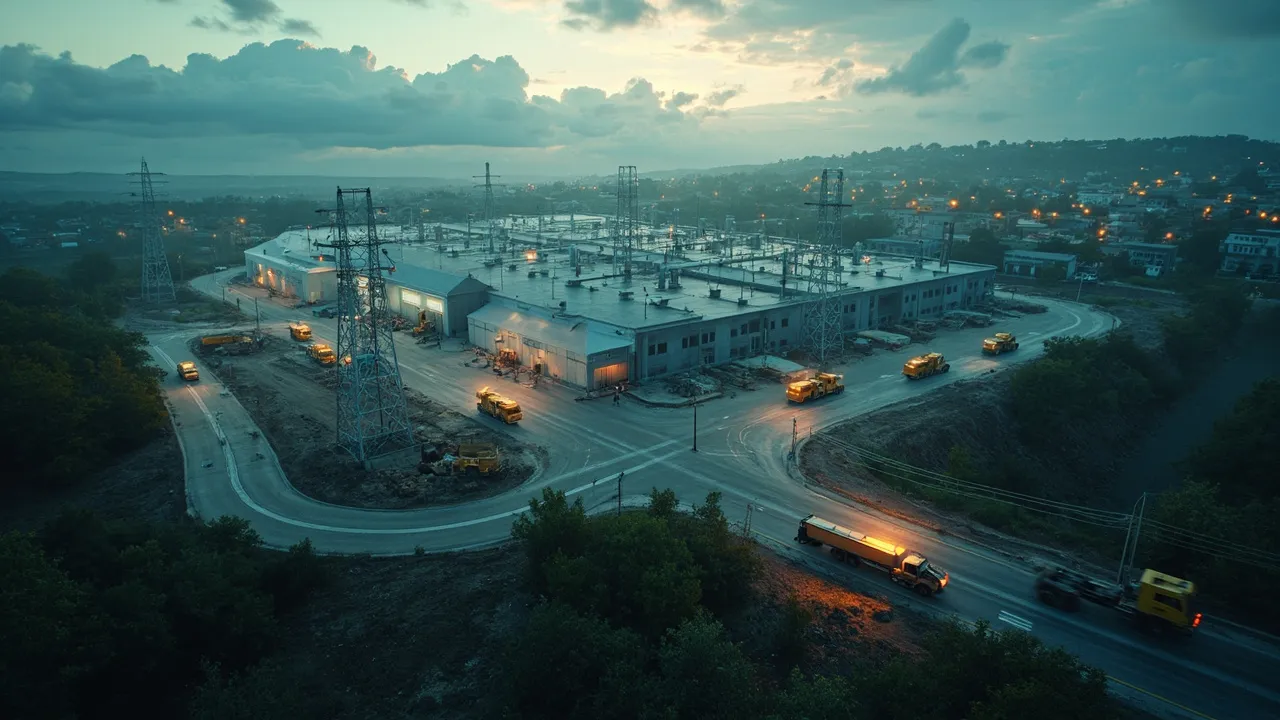
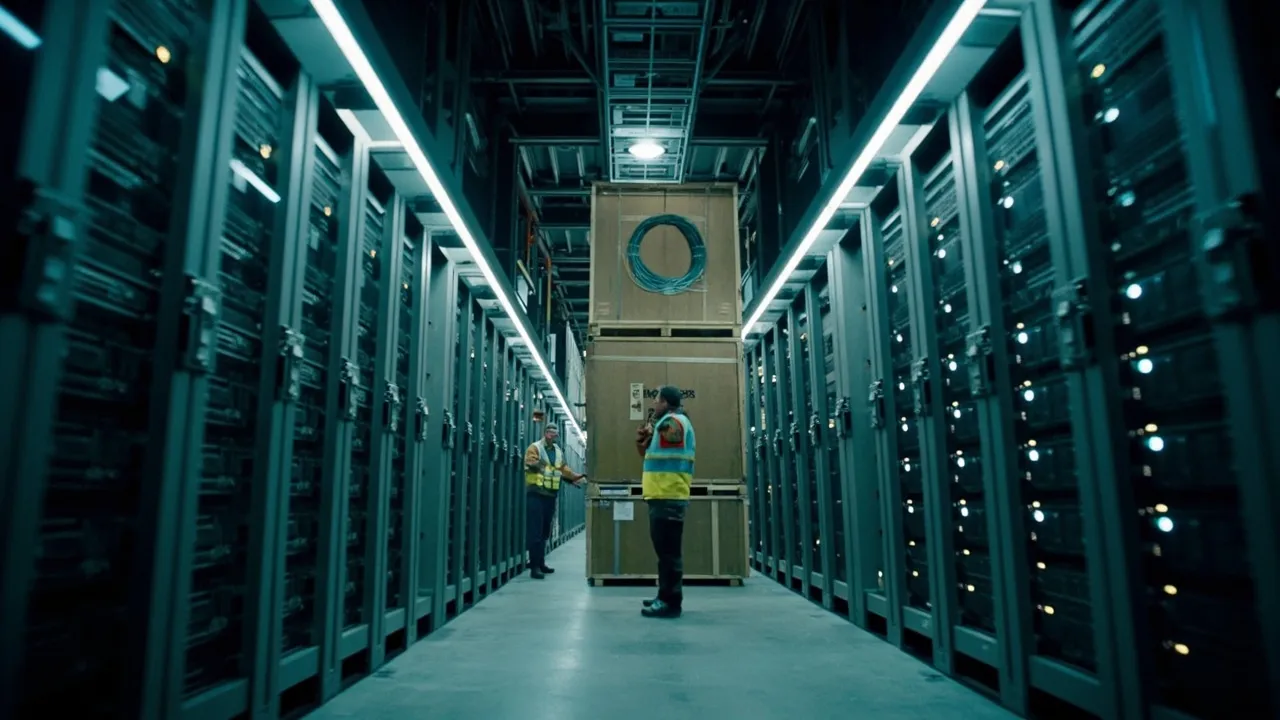
The hardest data center delivery problem may no longer be securing servers, switchgear, or cooling equipment. It may be proving that the site can support the water, electricity, traffic, and community impact promised before those assets arrive.
That shift is becoming explicit. SupplyChainBrain reports that OpenAI has pledged to publish information about data center water and power use and engage communities more openly. For project logistics teams, transparency is not merely a communications responsibility. It creates measurable conditions that should govern procurement releases, delivery appointments, temporary storage, and construction milestones.
The scale makes informal coordination dangerous. Reuters reported that U.N. researchers expect data centers to consume twice as much power and water by 2030. A separate Reuters report said North American data centers used nearly 1 trillion liters of water in 2025, roughly New York City's annual demand. Meanwhile, McKinsey estimates global data center power demand could reach 1,400 terawatt-hours by 2030, or about 4% of global electricity demand.
When utilities and communities face demand at that scale, a construction schedule cannot treat power and water as background assumptions. They are supply constraints, just like transformer lead times or port capacity.
Build a site-readiness gate before releasing freight
Traditional project plans often place utility availability in the engineering schedule and equipment movement in the logistics schedule. That separation lets freight advance while a critical dependency remains unresolved. A better model creates a site-readiness gate that must pass before a purchase order is released for shipment.
The gate should confirm, with named evidence:
- Approved electrical load, energization sequence, and utility interconnection date
- Water allocation, cooling design basis, discharge requirements, and drought restrictions
- Required land-use, environmental, building, and road-access permits
- Community commitments covering noise, traffic hours, road repairs, and local reporting
- Laydown capacity, crane access, security, and weather-protected storage
- A documented contingency if the utility or permit date slips
“Expected on time” is not evidence. Acceptable proof might include an executed utility agreement, permit identifier, inspection record, or written approval from the responsible authority. Each item needs an owner, due date, status, and expiry or review date.
Connect procurement milestones to infrastructure reality
Long-lead data center assets create a difficult tradeoff. Ordering late risks missing the construction window; shipping early exposes valuable equipment to storage cost, damage, warranty erosion, and double handling. The solution is not one universal release date but a series of controlled commitments.
Separate the commercial process into design approval, manufacturing authorization, factory acceptance, ship release, site delivery, and installation acceptance. Attach the relevant infrastructure gate to each stage. A generator may be safe to manufacture before the final interconnection date, for example, but its ship release should depend on foundation completion, haul-route approval, crane readiness, and confirmed storage.
Use the same logic for electrical rooms, chillers, pumps, battery systems, and server racks. If a gate fails, the system should show the financial and schedule effect of holding at the factory, redirecting to off-site storage, or rescheduling the carrier. This converts a vague project delay into an operational decision with visible cost.
Treat community approval as a schedule-critical dependency
Community opposition can alter technical designs after procurement begins. Reuters has documented projects responding to local concern by adopting waterless or closed-loop cooling approaches. A cooling-design change can cascade into different equipment, power loads, commissioning steps, and delivery sequences.
Project teams should therefore track community commitments alongside permits. If a developer promises limits on construction traffic, nighttime noise, groundwater use, or diesel generation, those promises must appear in routing and appointment rules. Otherwise, a carrier following an ordinary delivery plan can violate a public commitment and create a preventable stop-work risk.
Create geofenced route instructions, approved delivery windows, maximum daily truck counts, staging rules, and escalation contacts in the transportation workflow. Provide them to carriers when the load is tendered, not after the driver reaches the site. For oversize equipment, validate bridge limits, turning radii, escort requirements, and local-event conflicts before confirming the appointment.
Maintain a public-evidence register
Transparency claims need a defensible data trail. Establish one evidence register connecting each external commitment to its operational source.
For water, record allocation, estimated and actual withdrawal, cooling configuration, reuse, and discharge. For power, track contracted capacity, peak demand, temporary generation, renewable claims, and energization milestones. For traffic, capture planned loads, completed gate moves, arrival compliance, idling, incidents, and route exceptions. For community commitments, retain the source document, responsible owner, measurement method, reporting frequency, and corrective action.
The register should distinguish forecasts from measured results. It should also retain version history: a revised forecast must not erase what was previously communicated. Data should be reviewable by project leadership before publication and traceable back to utility records, meters, permits, carrier events, or gate logs.
Run exception management across teams
Water, power, permits, and freight rarely slip in isolation. A delayed substation may extend temporary generation, change commissioning labor, and force equipment into storage. The response requires engineering, procurement, construction, sustainability, community relations, and transportation to work from the same exception.
Define severity using schedule impact, public-commitment risk, equipment exposure, and recovery cost. A critical exception should identify the blocked milestone, affected shipments, decision deadline, owner, and approved alternatives. Weekly reporting is too slow when a high-value transformer is already moving; critical events need immediate alerts and a timed escalation path.
The practical lesson is simple: a site is not ready because the concrete is poured. It is ready when its physical capacity, public commitments, and logistics conditions are verified together. Turning those conditions into formal gates protects the construction sequence while giving communities evidence that promises are being managed as operating requirements.
Coordinate every gate with CXTMS
CXTMS gives project logistics teams one place to connect purchase orders, carrier milestones, delivery appointments, site constraints, documents, and exceptions. When a water, power, permit, or community gate changes, affected loads can be identified before freight reaches the road.
Request a CXTMS demo to build an evidence-based logistics workflow for complex infrastructure projects.