Customs Clearance Completed, Pending Scanning: What the Status Means and When to Escalate

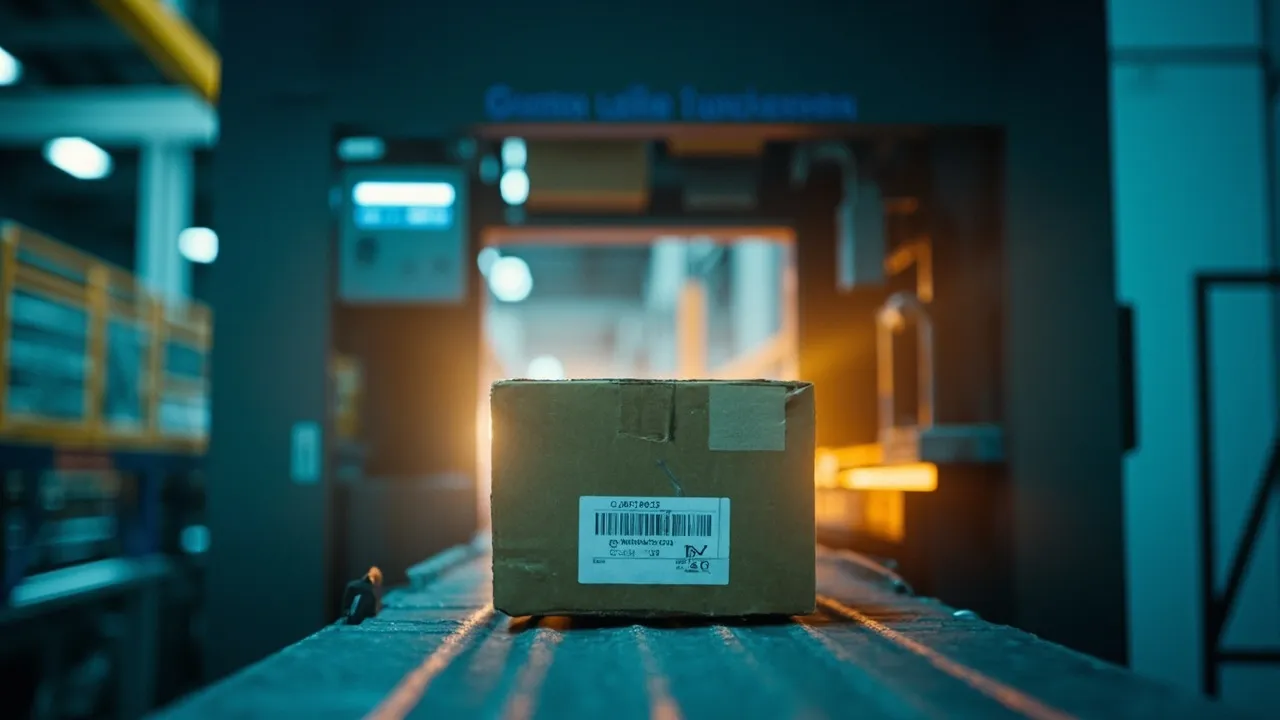
“Customs clearance completed, pending scanning” sounds contradictory. It is not. The message combines two milestones owned by different parties: a regulatory decision and a physical logistics event. Customs has authorized the goods to proceed, but the warehouse, postal operator, express carrier, or local delivery partner has not yet recorded the next barcode or facility scan.
That distinction matters because “cleared” does not mean “loaded on a truck,” “accepted by the final-mile carrier,” or even “moved out of the bonded area.” It means the customs hold has been resolved. The shipment may still be sitting in a transfer cage, waiting for a manifest to close, traveling between facilities, or queued for induction into another carrier’s network.
Customs release is one milestone, not the end of the handoff
The customs process validates declarations, classification, value, origin, permits, and applicable duties or taxes. Once those requirements are satisfied, customs releases the shipment. As Inbound Logistics explains in its customs clearance guide, inspection and assessment precede the release of goods from the warehouse where they were held.
The next tracking event belongs to the physical network. A typical sequence is:
- Customs or the broker transmits the release decision.
- The bonded facility reconciles the release against its inventory and manifest.
- Freight is sorted by carrier, route, service level, or destination.
- The receiving carrier accepts the shipment or container.
- A barcode, pallet, container, or facility scan creates the next customer-visible event.
These systems do not always update at the same time. Customs may post a release electronically while a warehouse processes freight in scheduled waves. A trailer can also depart before individual parcel events reach the public tracking feed. The shipment is moving operationally, but the digital record appears frozen.
Why the scan can lag after clearance
Most gaps have an ordinary operational cause. Clearance can finish after a facility’s cutoff, leaving the shipment for the next shift. Weekends, holidays, flight arrivals, vessel bunching, or a surge of low-value parcels can create a backlog. Consolidated freight may need to be broken down before individual pieces can be inducted. A carrier transfer can also require a new tracking identifier that has not yet been mapped to the original number.
Scale makes synchronization hard. Supply Chain Dive reported that UPS was processing 112,000 daily packages through one customs workflow in September 2025 and clearing 90% without manual intervention. Even highly automated clearance does not eliminate the downstream work of unloading, sorting, transferring, and scanning each piece.
Visibility technology helps, but it does not turn every milestone into the same event. In an earlier connected-container deployment, MSC equipped 50,000 containers with IoT devices to improve location and condition visibility. Sensor location, customs release, terminal availability, carrier acceptance, and parcel scans still describe different facts. Treating them as interchangeable creates false promises.
Use an escalation clock, not repeated tracking refreshes
There is no universal waiting period because handoff times vary by mode, border, facility, service level, and day of arrival. Teams should establish thresholds from the promised service and the actual operating calendar.
For an express parcel, no new event by the end of the next operating day after release deserves an internal check. At 48 business hours, confirm that duties are paid, the release message reached the warehouse, and the carrier has the shipment on its manifest. At 72 business hours, open a formal trace unless the carrier has documented a local backlog or scheduled transfer.
Air and ocean freight require different clocks. A customs-released air shipment may still wait for airline breakdown, terminal availability, or a truck appointment. Containerized cargo can be customs-cleared but unavailable because of terminal holds, carrier release requirements, demurrage issues, or a missing delivery order. Escalation should therefore use the last confirmed physical location and every outstanding release—not the customs status alone.
Escalate immediately when the goods are temperature-sensitive, controlled, high-value, needed for a production shutdown, or approaching a storage deadline. Also act at once if tracking changes backward, shows an unexplained country or facility, or conflicts with the broker’s release record.
Preserve evidence before opening a trace
A useful escalation packet lets the broker, warehouse, and carrier identify the freight without starting another email chain. Retain:
- the master and house bill, airway bill, or parcel tracking numbers;
- customs entry and release references, including the release timestamp;
- proof of duty and tax payment;
- commercial invoice, packing list, and piece count;
- container, seal, pallet, or license-plate identifiers;
- the last physical scan, facility, and local time zone;
- carrier handoff or delivery-order records; and
- screenshots or exported event histories before statuses change.
Ask a precise question: “Was shipment X physically released from facility Y, and which party has custody now?” That is more actionable than asking why tracking has not updated.
Turn carrier messages into dependable milestones
A transportation management system should not present every carrier phrase as a single generic “in transit” status. It should normalize events into separate milestones such as customs submitted, customs released, terminal available, warehouse released, carrier accepted, departed facility, and out for delivery. Each milestone needs a source, timestamp, location, and confidence level.
CXTMS can connect broker, carrier, warehouse, and shipment data so teams can see when regulatory clearance is complete but physical custody has not advanced. Rules can start the correct escalation clock, alert the responsible party, retain supporting documents, and give customers a status that explains the next step instead of repeating a vague carrier message.
Ready to replace tracking ambiguity with controlled shipment milestones? Request a CXTMS demo and see how exception workflows can keep cross-border freight moving.