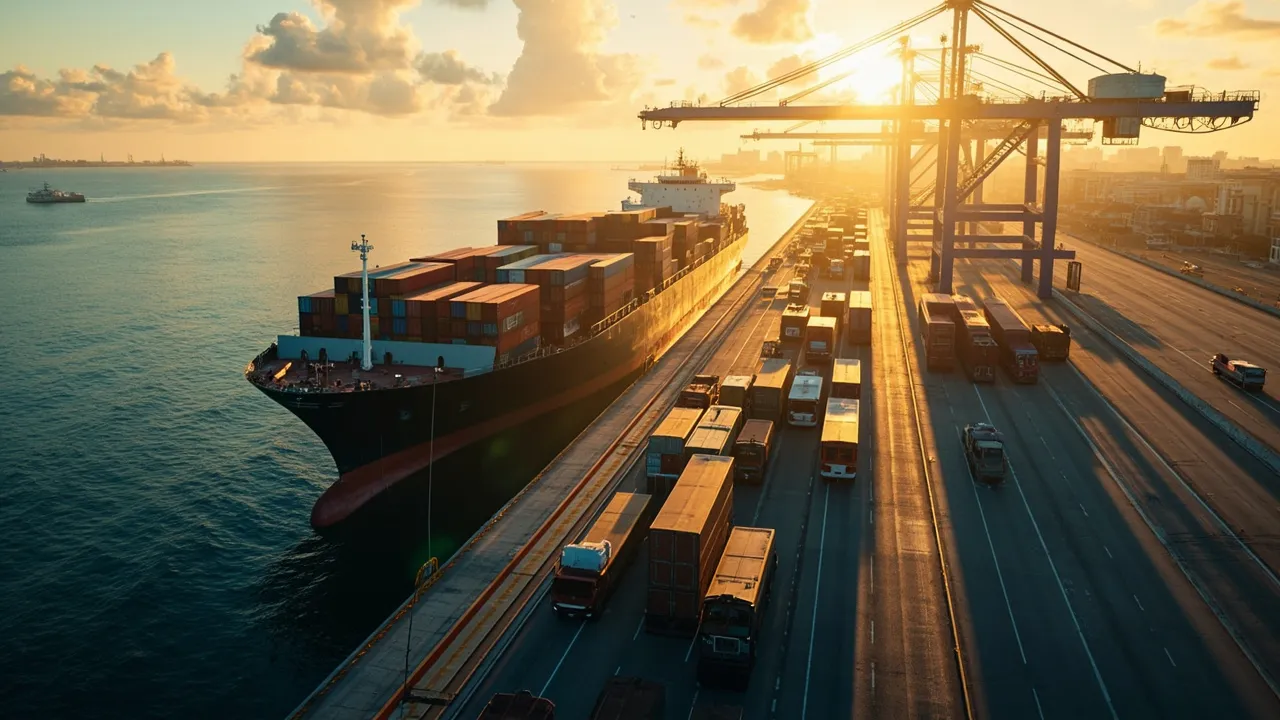
Crowley’s New Central America–Houston Service Opens a Gulf Coast Sourcing Lane

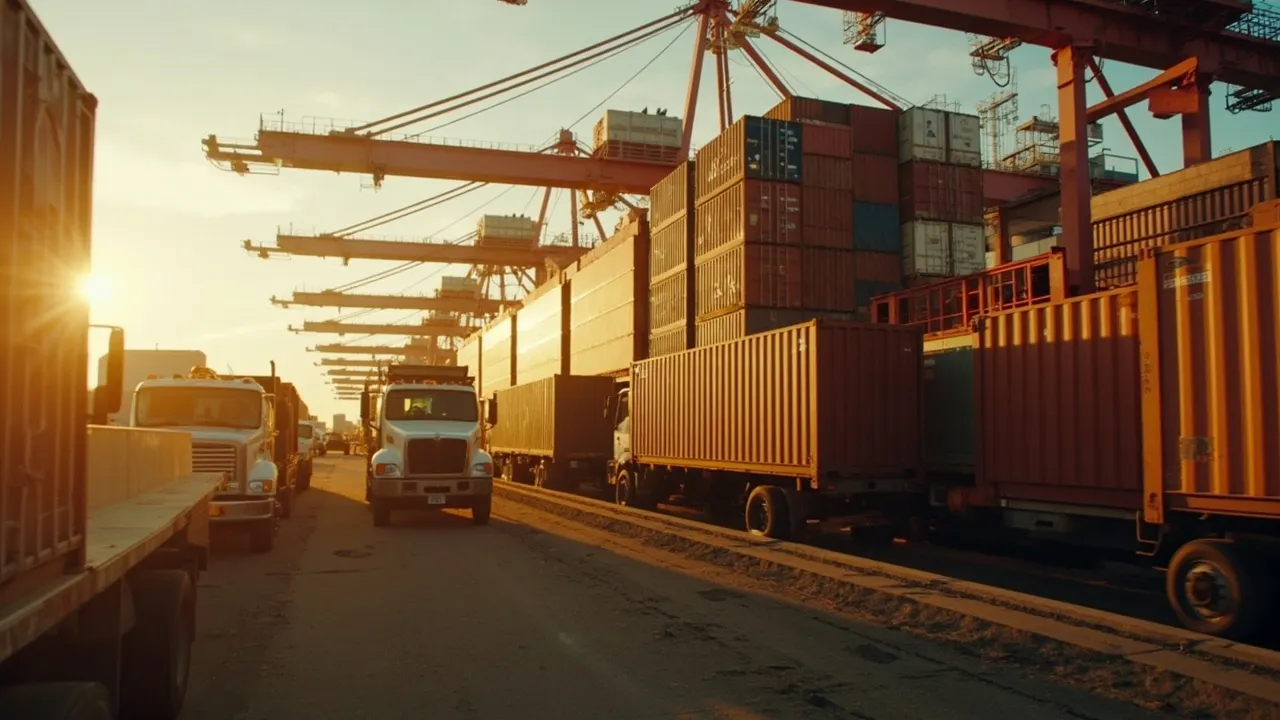
Crowley’s new direct ocean service from Guatemala and Honduras to Port Houston gives importers something more valuable than another line on a carrier schedule: a practical way to redesign sourcing around the Gulf Coast. For companies receiving fresh produce, apparel, consumer goods, and industrial materials, the weekly connection can reduce dependence on East Coast gateways and long overland moves into Texas and the central United States.
The route arrives as trade momentum builds. Supply Chain Dive reports that Central American exports to the United States increased 5.1% in value during the first quarter of 2026 compared with the same period in 2025. Crowley plans Thursday departures, with the first voyage scheduled to reach Houston on September 10. The service will handle both dry and refrigerated containers, including 53-foot equipment intended to improve intermodal transfers.
That combination makes the lane relevant well beyond ocean procurement. It affects inventory policy, customs readiness, drayage capacity, and the location of distribution stock.
Why direct Gulf Coast access matters
Without a direct Houston call, cargo bound for Texas may enter through an East Coast port and move west by truck or rail, or use a Central American land bridge before crossing the U.S.–Mexico border. Each option can work, but each adds handoffs. A port transfer, rail interchange, border crossing, or long-haul truck leg creates another place where time, cost, and condition can vary.
A direct call creates a simpler path for cargo whose final demand is concentrated in Texas, Louisiana, Oklahoma, or nearby markets. It can shorten inland distance and avoid transshipment delays. That is especially important for refrigerated produce, where schedule reliability and temperature integrity may matter more than the lowest base ocean rate.
The sourcing opportunity is also strategic. Importers seeking alternatives to distant suppliers can test Central American production while using an established U.S. Gulf gateway. Inbound Logistics notes that companies are increasingly considering Latin and South America as alternative sourcing regions amid geopolitical uncertainty. A regular Houston connection turns that broad sourcing idea into a lane that planners can actually model.
Still, “direct” should not be confused with “automatically faster.” The right comparison is total door-to-door performance, not port-to-port transit alone.
Model the complete landed route
Importers evaluating the service should build a lane model with four separate clocks.
Sailing frequency: A weekly Thursday departure creates a hard cutoff. Cargo that misses the vessel may wait nearly another week, overwhelming a modest transit-time advantage. Suppliers need production completion targets, documentation deadlines, and inland delivery appointments tied to the sailing calendar.
Port dwell: Measure time from vessel discharge to freight availability, customs release, and actual terminal pickup. Reefer inspections, documentation discrepancies, holds, and weekend timing can materially change the result. Use a range rather than one optimistic dwell assumption.
Drayage: Confirm chassis, reefer-capable trucking, appointment availability, free-time rules, and driver capacity before launch. A container available at the terminal is not useful inventory until a truck can recover it. Drayage pricing should include likely accessorials, not just the line-haul quote.
Inland reach: Compare the Houston path with the current gateway all the way to the distribution center or customer. Include fuel, tolls, transload expense, rail ramps, inventory carrying cost, and expected detention or demurrage. A higher ocean rate can still produce a lower landed cost if it removes enough inland miles and variability.
Planners should run at least three scenarios: normal operations, a missed sailing, and an extended port or customs delay. For perishables, add shelf-life loss and disposal exposure. For retail goods, add the cost of missing a promotion or replenishment window.
A lane-launch checklist for importers
A controlled pilot is safer than shifting a large purchase order immediately. Start with representative cargo and define the operational evidence required to expand.
-
Validate commodity and customs data. Confirm product descriptions, tariff classifications, country of origin, valuation, permits, and importer-of-record details before booking. Refrigerated food shipments may require agency filings and inspections beyond ordinary customs entry.
-
Map every cutoff. Record the supplier delivery cutoff, documentation cutoff, verified gross mass deadline, customs filing milestones, and terminal appointment rules. Assign an owner and escalation contact for each one.
-
Reserve the destination capacity. Prequalify drayage carriers, confirm reefer handling where needed, and secure warehouse appointments. Decide whether containers move intact to the distribution center or through a Houston-area transload.
-
Create milestone visibility. Track booking confirmation, empty release, origin gate-in, vessel departure, arrival, discharge, customs release, terminal availability, pickup, and final delivery. Exception alerts should trigger action before free time expires or customer inventory becomes critical.
-
Build contingency routings. Keep at least one alternative gateway or service option active. Define which conditions justify rerouting: a missed cutoff, rolled booking, extended customs hold, weather disruption, or forecasted stockout.
-
Review the economics after several cycles. Compare planned and actual transit, dwell, accessorials, cargo condition, and on-time delivery. Averages alone can hide an unreliable lane, so track the spread between best and worst outcomes.
Turn a new service into a resilient sourcing option
Crowley’s Houston connection is promising because it aligns a growing trade region with a major consumption and distribution market. Weekly frequency, reefer capability, and direct Gulf access give importers useful building blocks. The real advantage, however, will go to operators that coordinate purchasing, ocean bookings, customs, drayage, and inventory as one plan.
CXTMS brings those movements and milestones into a shared transportation workflow, helping teams compare routes, monitor exceptions, and control execution from origin booking through final delivery. Request a CXTMS demo to see how your team can launch and manage new sourcing lanes with better visibility.