CNG Returns to Long-Haul Trucking: Qualify the Lane Before Betting on Fuel Savings

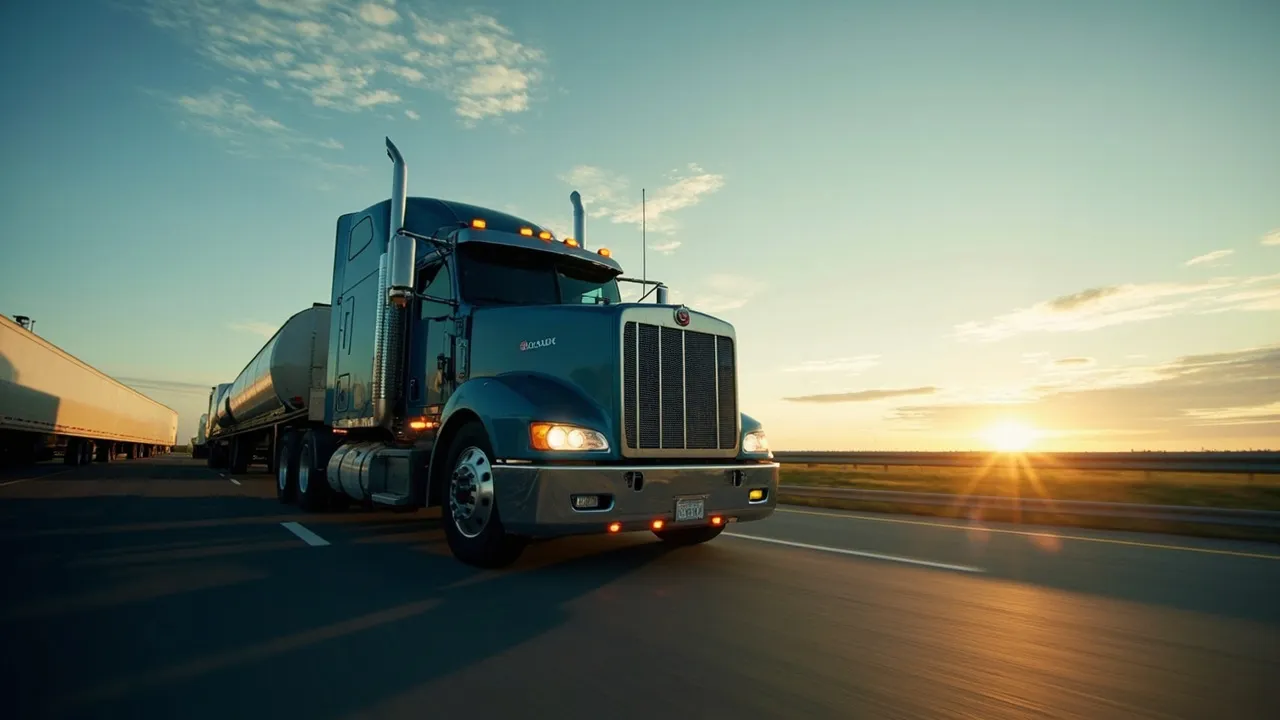
Compressed natural gas is getting another look from North American long-haul fleets. This time, the proposition is not simply a cleaner urban truck or a niche return-to-base application. Aetherion Technologies, the company formerly known as Westport Fuel Systems, is positioning high-pressure direct injection (HPDI) CNG for heavy-duty highway work.
The technology is promising, but a lower price at the pump does not make every lane economical. Fleets should qualify specific freight flows before committing equipment, contracts, or fueling infrastructure.
What has changed in the CNG proposition
HPDI retains a diesel-cycle engine while changing how fuel is delivered. That matters because long-haul operators care about torque, efficiency, serviceability, and driver acceptance—not only emissions. In an ACT Expo demonstration, the Volvo VNL 300-based system produced 500 horsepower and 1,850 pound-feet of torque. Aetherion reported a range of more than 600 miles and fuel economy of up to 10 miles per gallon equivalent.
Those figures put the concept closer to real over-the-road operations than earlier natural-gas compromises. FreightWaves reports that HPDI technology is already commercially available in more than 30 countries and powers more than 10,000 trucks using liquefied natural gas. A more recent company update put the worldwide HPDI population above 12,000 trucks.
Commercial readiness in North America is not yet a given. EPA certification remains a primary milestone, and the 600-mile range and 10-MPGe efficiency are demonstration claims rather than results from a large U.S. production fleet. Procurement teams should build a pilot around measured performance instead of inserting brochure figures into a five-year business case.
Start with a lane, not a fleet percentage
The right first question is not, “How many diesel tractors can we replace?” It is, “Which recurring lanes can operate without introducing fragile dependencies?” A candidate lane should pass five tests.
1. Usable range under operating conditions
Model distance with weather, grade, congestion, auxiliary loads, and a conservative fuel reserve. A nominal 600-mile capability should not authorize a 590-mile dispatch. Establish a minimum arrival reserve and validate it across seasons. If the truck must detour for fuel, include those miles and hours in the model.
2. Station redundancy
A station on the route is not a fueling network. Require a primary and backup station that can accommodate Class 8 combinations, provide the necessary pressure and flow rate, and operate during the dispatch window. Measure queue time, failed fueling attempts, and out-of-route miles during the pilot. A lane that depends on one dispenser has a single point of operational failure.
3. Backhaul compatibility
Outbound range is only half the plan. The tractor must also complete its backhaul, including variable pickup locations and detention. Dedicated round trips are easier to qualify than irregular one-way freight because fueling can be designed around known nodes. If dispatch frequently changes the return load, score each likely backhaul against the same fuel-access rules.
4. Payload and packaging
Fuel storage consumes space and adds weight. Compare the certified tractor tare weight with the diesel unit it would replace, then analyze actual shipment weights. Cube-limited freight may tolerate a weight penalty; dense commodities may lose revenue-producing payload. The relevant metric is not tractor efficiency alone but margin per completed load.
5. Maintenance and recovery
HPDI's diesel-engine foundation may preserve familiar service practices, and the developer says it requires no changes to engine maintenance schedules. Still, fuel-system diagnostics, tank inspection, parts stocking, and technician training create new requirements. Identify qualified shops along the lane and define towing or substitute-tractor procedures before launch.
Calculate total cost per loaded mile
Fuel-price savings attract attention because diesel volatility can move rapidly. The current pressure is substantial: Supply Chain Dive reported that U.S. on-highway diesel reached $6.18 per gallon on October 12, 2026—$2.51 higher than a year earlier. The same report describes how UNFI is combining hedging with route optimization across nearly 50 distribution centers and 2,000 delivery vehicles.
That is the important lesson: fuel choice does not replace network efficiency. A fair CNG comparison should calculate total cost per loaded mile using:
- tractor lease or depreciation and the cost of CNG storage;
- actual fuel consumption and contracted station pricing;
- fuel-tax treatment and applicable incentives;
- maintenance, tank inspection, and technician training;
- payload-related revenue loss;
- fueling detours, queue time, and driver hours;
- backup tractor and service-event costs; and
- expected resale value at the planned replacement date.
Run low, expected, and high cases for both diesel and CNG. Diesel price volatility may improve the CNG case, but an optimistic residual value or unrealistic utilization assumption can overwhelm the projected fuel benefit.
Use a controlled qualification gate
A 90-day pilot should have explicit pass conditions. Start with a repeatable lane and a small group of trained drivers. Capture loaded and empty miles separately, fuel dispensed, arrival reserve, fueling time, payload, maintenance downtime, and service failures. Compare the CNG tractor with a diesel control operating similar loads and schedules.
Set thresholds before the trial begins: minimum completion rate without rescue fueling, maximum out-of-route miles, acceptable payload impact, uptime target, and required savings per loaded mile. Then test sensitivity to a station outage and an unexpected backhaul. If the lane only works under perfect dispatch, it is not qualified.
Residual value deserves its own gate. Before ordering at scale, request written trade or lease assumptions from multiple parties and model a downside case. A fuel advantage earned over four years can disappear if the secondary market discounts specialized equipment heavily.
Treat CNG as a network design decision
High-pressure CNG could give long-haul fleets another way to reduce exposure to diesel volatility while retaining familiar heavy-duty performance. But the business case lives at the intersection of routes, fueling nodes, freight characteristics, maintenance coverage, and contract commitments.
CXTMS helps transportation teams model lanes, track operating cost and service performance, and compare equipment strategies using shipment-level data. Request a CXTMS demo to build a lane-qualification workflow around your real freight network.