China’s Overseas Industrial Parks Are Rewriting the Origin-to-Destination Data Model

The traditional shipment record tells a reassuringly simple story: a product originates in one country, departs through a known gateway, and arrives at its destination. That model is becoming inadequate as Chinese manufacturers, suppliers, and infrastructure investors establish industrial capacity beyond China’s borders.
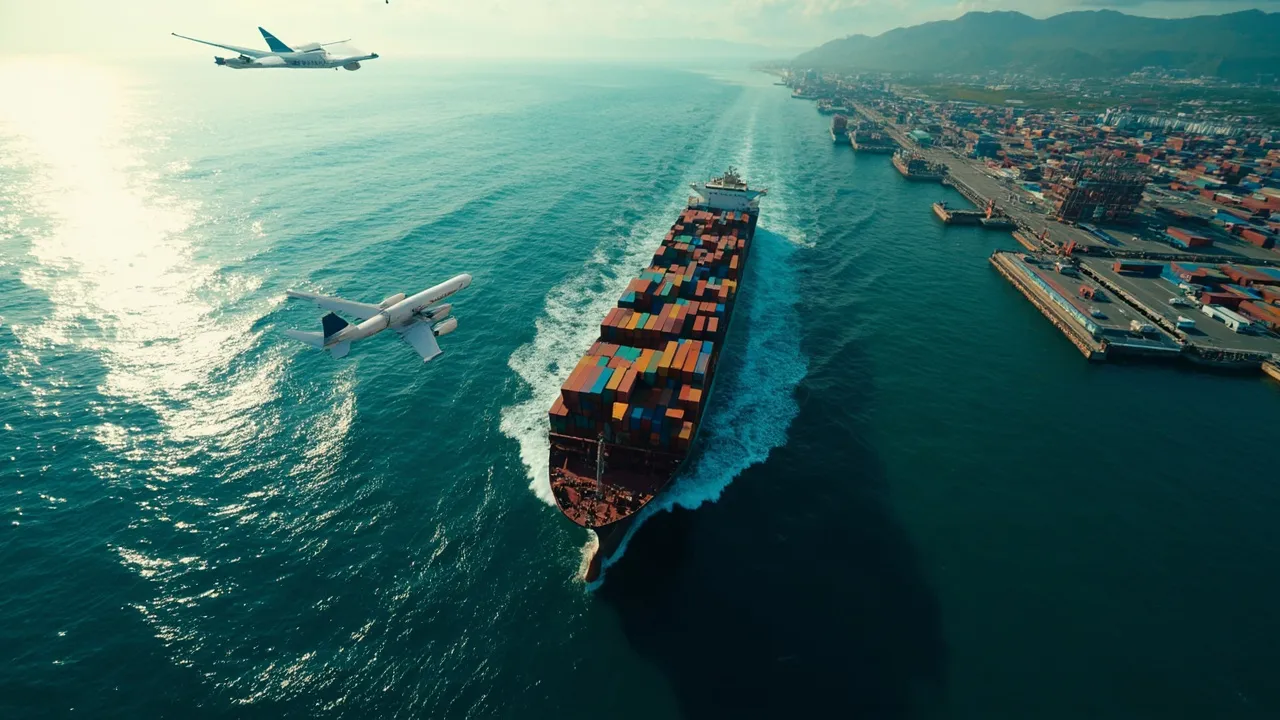
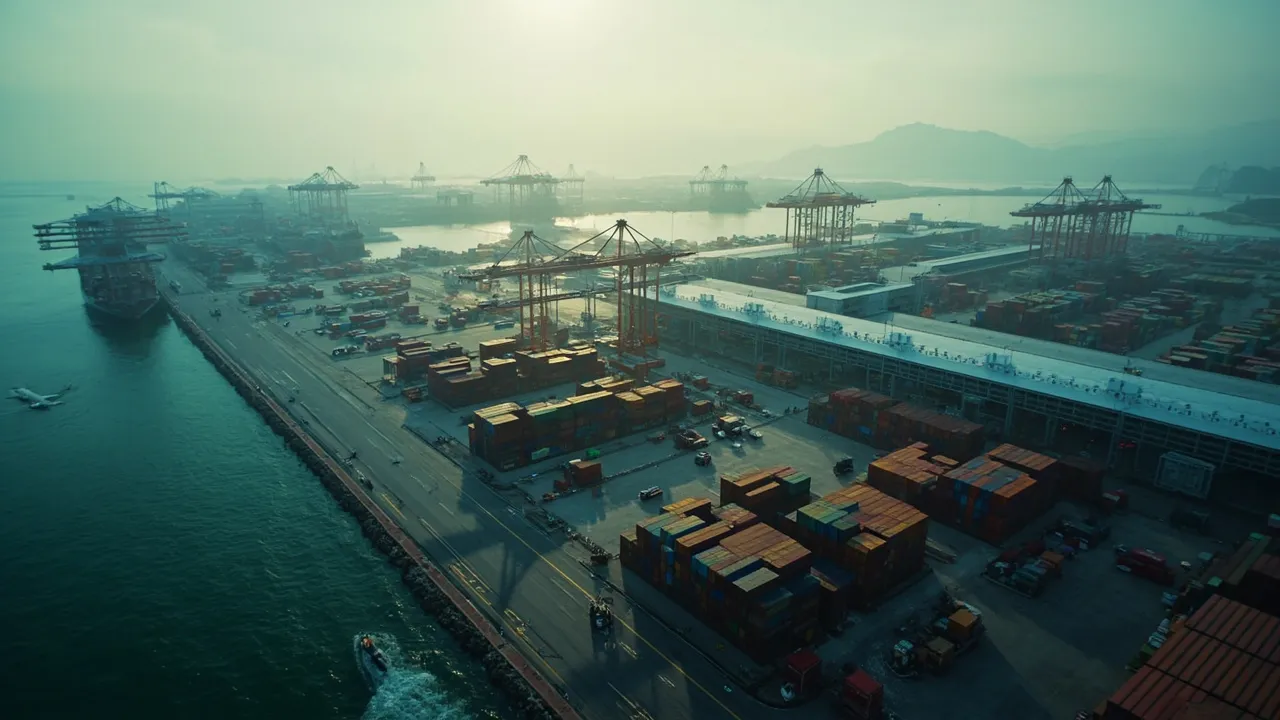
SupplyChainBrain reports that Chinese industrial parks, ports, and airports are emerging across markets as varied as Saudi Arabia, Hungary, Brazil, and Indonesia. These are not merely alternative loading points. They can combine Chinese inputs, local labor, regional suppliers, final assembly, and nearby export infrastructure into a new production node.
For logistics teams, the challenge is less about drawing another location on a network map and more about preserving the story of what happened there. A country-of-origin field and a ship-from address cannot represent a product that crosses borders as components, undergoes substantial processing in an overseas industrial park, and then enters a third market under a different trade regime.
A New Export Country Does Not Mean a New Supply Chain
The relocation of assembly can shorten a final transport leg or change tariff treatment, but it does not necessarily remove upstream concentration. Reuters reported that Vietnam’s imports from China reached about $168 billion through November 2025, nearly 30% higher year over year and already above the full-year 2024 record. That data illustrates why a finished product labeled with a new export country may still depend heavily on Chinese components, equipment, and production know-how.
Reuters has also documented manufacturers moving factories from China to Southeast Asia as companies respond to tariff exposure. The operational result is a layered network: upstream material and component flows continue from China, transformation occurs in a neighboring economy, and finished goods depart from a local port or airport.
A transportation system that records only “Vietnam to United States,” for example, sees the last leg but not the dependency. It cannot readily answer whether a disruption at a Chinese component cluster would halt production, whether the declared origin is supported by transformation records, or whether two apparently diversified suppliers share the same upstream source.
Replace the Country Field With an Origin Evidence Chain
Country of origin remains essential for customs and compliance, but it should be the conclusion of a documented process rather than a manually selected label. Each shipment record needs a linked origin evidence chain with four layers.
Facility identity should include the legal operator, physical coordinates, industrial park, customs zone, production capabilities, and nearby gateways. Site names are unreliable identifiers: subsidiaries, contract manufacturers, and park operators may use different names for the same physical node.
Supplier relationships should connect the exporting facility to tier-one and known upstream suppliers. Ownership and control matter, but so do practical dependencies such as exclusive tooling, Chinese-supplied machinery, or a single component source.
Bill-of-material and transformation data should record component origin, value contribution, processing steps, and the point at which the product is considered substantially transformed. The logistics record does not need to become a full manufacturing execution system, but it must reference the documents that support the origin declaration.
Shipment evidence should connect purchase orders, commercial invoices, production lots, packing lists, certificates, container events, and customs declarations. That creates a traceable line from inputs through transformation to export rather than a disconnected folder of PDFs.
Model Nodes and Relationships, Not Just Lanes
Lane master data normally describes an origin location, destination location, mode, carrier, service, and expected transit time. Overseas industrial parks require a richer network model.
The park should be represented as a production node connected to inbound component lanes, local supplier lanes, consolidation points, free-trade or bonded zones, ports, airports, and final markets. Relationships need effective dates because suppliers, processing steps, and gateway choices change. A facility that began with imported subassemblies may gradually localize parts, altering both risk and origin qualification.
This approach also exposes false diversification. Two suppliers in different countries may occupy separate parks but rely on the same Chinese subcomponent factory, shipping line, port transshipment hub, or equipment specialist. A country-level dashboard counts two sources; a relationship model reveals one shared point of failure.
The wider trade pattern reinforces the need. Reuters reported that China’s trade surplus passed $1 trillion for the first time in November 2025 as exports to Europe, Australia, and Southeast Asia surged. Even as final assembly footprints spread, the volume of Chinese goods feeding global production remains significant.
Test Whether the New Node Actually Improves Performance
A new overseas facility can look attractive in a sourcing presentation while merely relocating risk. Lane history should test the claim.
Start with end-to-end lead time, measured from upstream component release—not only from finished-goods pickup. Compare variability, customs dwell, production queue time, transshipment frequency, premium-freight usage, and missed delivery commitments before and after the node is introduced. Track how often the plant waits for imported inputs and whether congestion at the nearby gateway creates a new bottleneck.
Cost analysis should be equally complete. Include inbound components, local drayage, handling inside the park, inventory carried during multi-stage movement, duties, brokerage, compliance work, and exception freight. A shorter final-mile distance can coexist with a longer and more fragile total journey.
Finally, run disruption scenarios against relationships rather than flags on a map. Ask which orders, customers, and production lines are exposed if a Chinese input supplier stops, a park loses power, a bonded-zone rule changes, or the primary port becomes unavailable. The answer should come from connected operational data, not a weeks-long spreadsheet exercise.
Make Origin Data Operational
Overseas industrial parks are expanding the geography of production, but geography alone does not equal resilience. Logistics leaders need records that distinguish the shipping origin, manufacturing location, customs origin, component source, and ownership relationship—and retain the evidence behind each designation.
When those records connect to lane performance and shipment execution, teams can validate origin, identify hidden concentration, and determine whether a new node reduces lead time or simply moves exposure across a border. The origin-to-destination model is no longer a straight line. Transportation data must reflect the network it is expected to control.
Ready to build a more traceable global freight operation? Request a CXTMS demo to see how connected shipment data and execution workflows can improve visibility across complex sourcing networks.