Chery's Canada Production Plan Needs a North American Parts-Origin Map

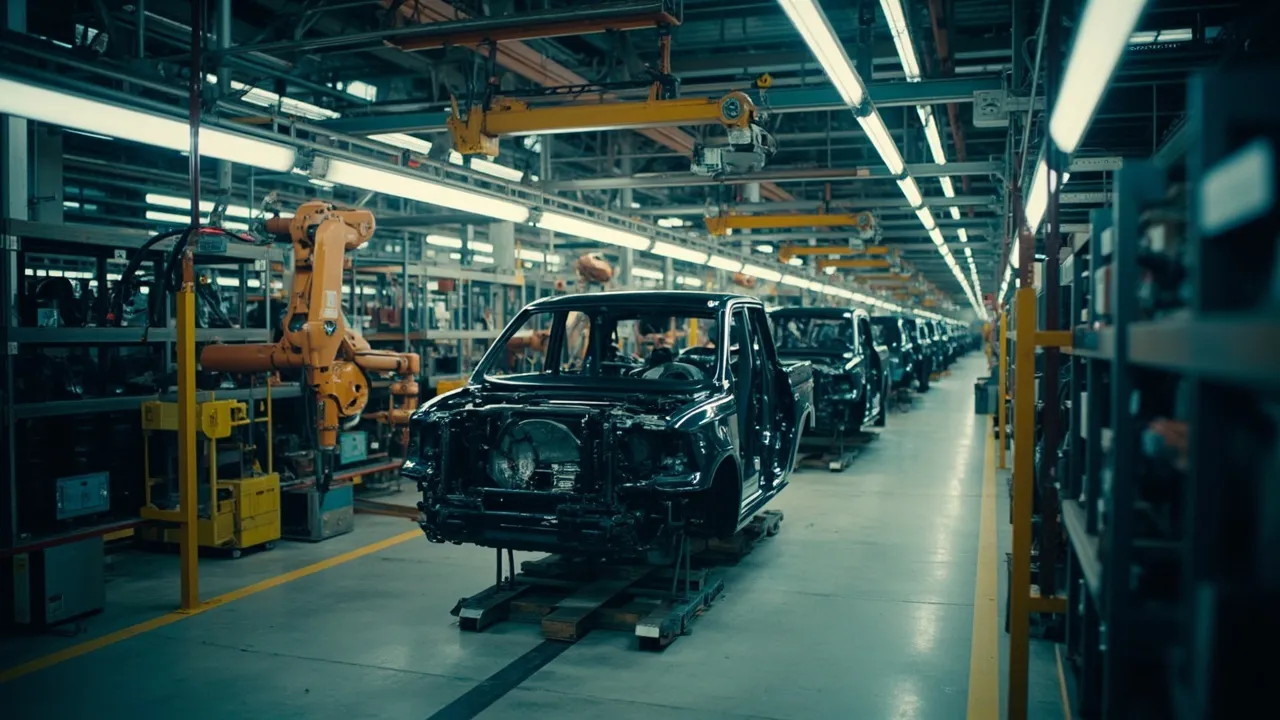
Chery's interest in producing vehicles in Canada is more than a plant-location story. It is a supply-chain design problem whose answer depends on where every high-value component originates, how customs authorities classify it, and whether a Canadian assembly operation can develop enough regional content to serve its intended markets.
SupplyChainBrain reports that Chery is considering options including idle capacity at an existing plant and working with partners. That flexibility could speed market entry, but it does not settle the harder questions around batteries, electronics, tooling, border movements, and supplier qualification. Before a production format is selected, the automaker and its logistics partners need a North American parts-origin map.
Why Final Assembly Is Only the Starting Point
Canada has created a clearer opening for Chinese electric vehicles. Under a 2026 agreement, Canada will initially admit up to 49,000 Chinese EVs at a 6.1% most-favored-nation tariff, according to Reuters. Local assembly could eventually reduce exposure to finished-vehicle import limits and create Canadian jobs. Yet attaching wheels, seats, and doors in Canada would not automatically turn a Chinese supply chain into a North American one.
The distinction matters most if vehicles or components are expected to cross into the United States. Current USMCA rules require 75% North American content for preferential treatment, while policymakers are debating tighter requirements. A Canadian factory built primarily around imported knock-down kits could support Canadian sales while remaining poorly positioned for duty-advantaged U.S. access.
The operational risk is equally important. A missing low-cost connector can stop a line just as surely as a missing battery pack. Planners therefore need visibility at part number level, not merely a country-of-assembly label on the finished vehicle.
Build the Origin Map Before the Factory Plan
The map should connect the bill of materials to five attributes.
First is legal origin. Record the country of origin, tariff classification, supplier declaration, and transformation history for each component. Origin is not synonymous with ship-from location. A controller shipped from Mexico may still contain non-originating inputs that affect regional-value calculations.
Second is tariff treatment. Teams should model Canadian import duty, any special trade measure, and the treatment of the finished vehicle in each destination market. Inbound Logistics emphasizes that USMCA eligibility must be evaluated separately from other tariff measures and that importers should retain evidence supporting origin determinations. That makes documentation a core production input, not an after-the-fact customs exercise.
Third is operational criticality. Rank parts by line-stop risk, lead time, single-source exposure, and recovery time. Battery cells, power electronics, semiconductors, safety systems, and model-specific stampings deserve tighter controls than easily substituted consumables.
Fourth is tooling ownership and location. A regional substitute is not truly available if production tools remain overseas, capacity is contractually locked, or validation would take a year. The map should identify who owns each tool, where it sits, and how quickly it can be duplicated or transferred.
Fifth is substitution feasibility. For every imported critical part, list qualified North American alternatives, engineering changes required, validation cost, capacity, and earliest production date. This turns localization from a percentage target into an executable sourcing program.
Compare Three Production Scenarios
A scenario model can expose the trade-offs before capital is committed.
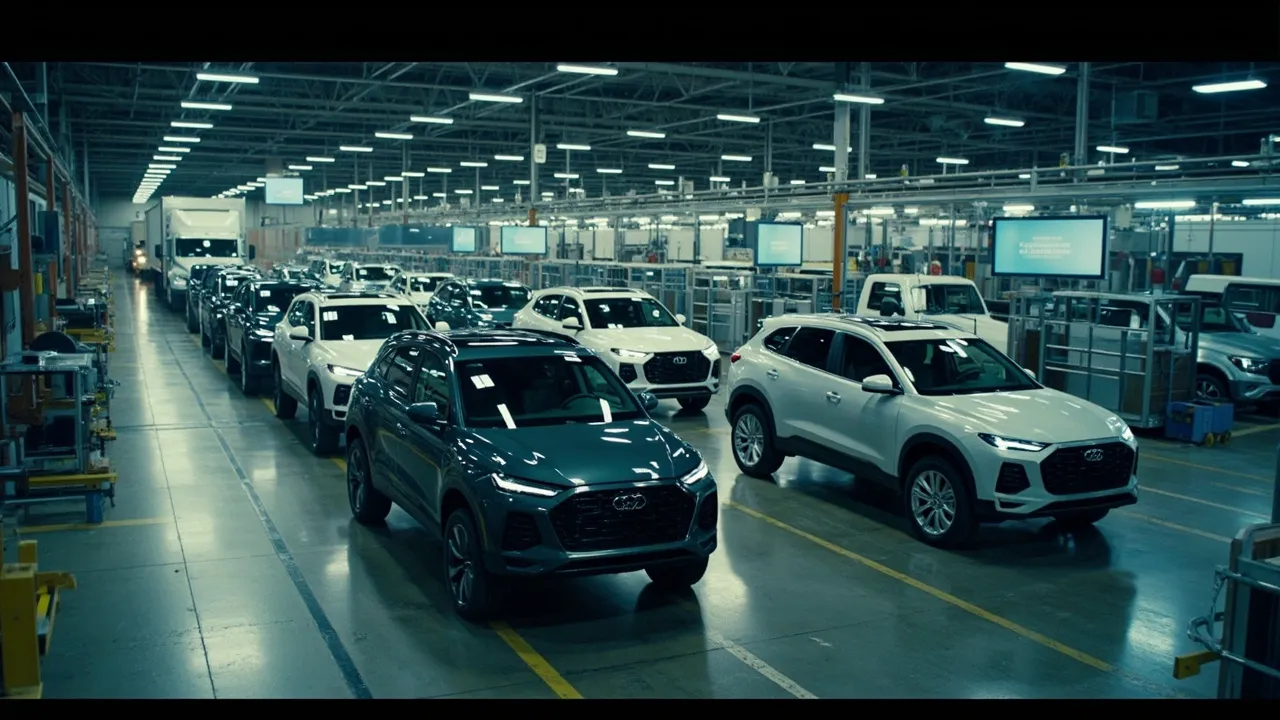
CKD assembly would import largely complete knock-down kits for final assembly in Canada. It offers the fastest launch and the lowest initial supplier-development burden. In exchange, it creates long inbound lead times, container dependence, higher pipeline inventory, and limited regional content. Parts sequencing must absorb ocean schedule variability without overwhelming plant storage.
Deeper localization would source bulky, frequently used, or tariff-sensitive items in North America while importing proprietary systems. Seats, glass, tires, interior trim, metal stampings, and selected harnesses may be logical early candidates. This scenario replaces some ocean inventory with regional truck and rail flows, but adds supplier synchronization and cross-border complexity.
Full production would localize major powertrain, battery, body, and electronic content. It offers the strongest regional-value position and shortest replenishment loops, but requires the most capital, qualification work, tooling, and demand certainty. It may also be constrained if core technology or supplier intellectual property must remain in China.
For each scenario, CXTMS recommends modeling landed cost, regional-value content, days of pipeline stock, premium-freight exposure, warehouse space, border crossings, and time to recover from a supplier outage. The best answer may differ by model and market.
Establish Go/No-Go Gates
Four gates can prevent a promising concept from becoming a fragile launch.
The supplier gate should require production-capacity evidence, quality approval, traceability, and validated backup plans for every line-stop component. The compliance gate should require defensible classifications, origin certificates, regional-value calculations, and record-retention ownership.
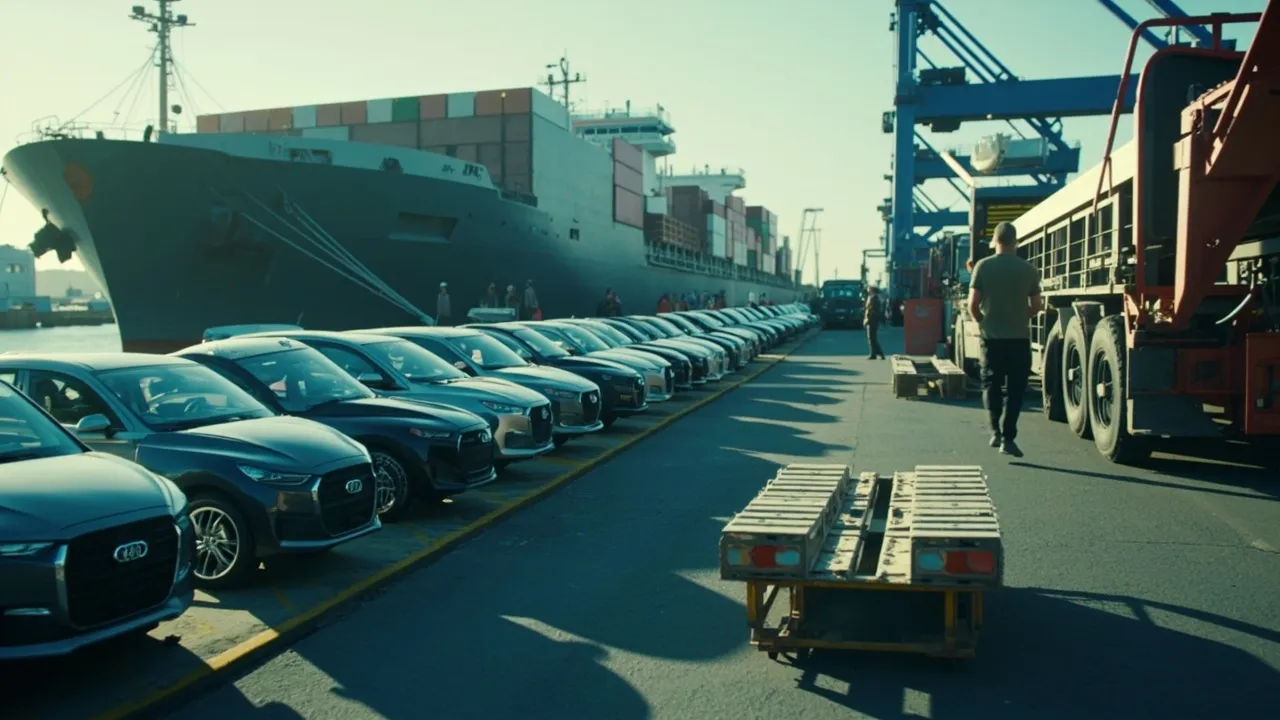
The logistics gate should test ports, rail ramps, border capacity, drayage, plant yards, returnable packaging, and expedited-freight contingencies under peak conditions. The commercial gate should connect production volumes to dealer allocation, service-parts availability, and vehicle dwell. A factory is not ready if finished vehicles can be built but cannot be replenished to dealers reliably.
Each gate needs a named owner, measurable threshold, review date, and escalation path. Passing based on optimism rather than evidence simply transfers unresolved risk into launch inventory.
Turn Origin Data Into Daily Control
The parts-origin map should not live in a launch spreadsheet. It should connect sourcing, transportation, customs, inventory, and plant milestones in one operating view. When a tariff changes, a supplier slips, or a border lane tightens, planners should immediately see affected part numbers, vehicles, orders, and alternatives.
CXTMS helps logistics teams coordinate multimodal inbound freight, customs milestones, inventory exceptions, and delivery performance across complex automotive networks. Request a CXTMS demo to see how a control-tower workflow can turn origin and shipment data into reliable production decisions.