CEE Factory Expansion: Pass a Freight-Readiness Gate Before Production Starts

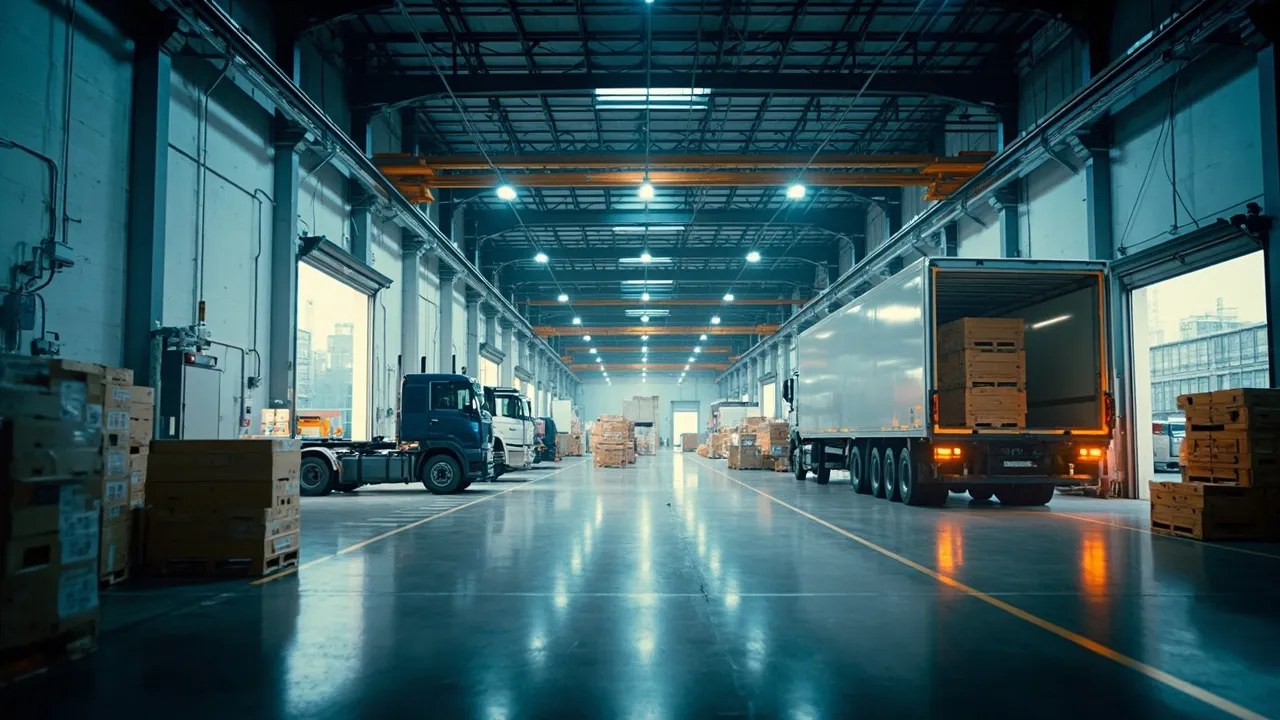
A new factory can be mechanically ready and still be operationally unable to ship. Machines may pass acceptance tests while supplier routes remain unpriced, returnable packaging sits in the wrong country, customs data is incomplete, and carriers have never tested the launch-day volume. The result is an expensive paradox: production capacity exists, but freight constraints prevent the plant from using it.
That risk deserves particular attention in Poland and Central and Eastern Europe (CEE), where manufacturers are expanding amid a broader shift toward regional supply chains. McKinsey found that two-thirds of surveyed supply chain leaders were sourcing more inputs closer to their production sites—twice the share reported one year earlier. Poland also expected more than 650 billion zlotys of investment in 2025, approximately $160 billion at the time, according to Reuters.
Investment and proximity create opportunity, not automatic freight readiness. Before approving a production start, leaders should require a formal gate that proves the physical, commercial, and digital transport system works at pilot, launch, and steady-state volumes.
Translate the production ramp into freight demand
The production plan is usually expressed in units per shift. Logistics teams need it translated into movements, handling requirements, and time windows. For each ramp stage, calculate inbound supplier deliveries, packaging returns, interplant transfers, finished-goods loads, and expected expedites.
Build three volume cases:
- Pilot: low output, irregular schedules, engineering changes, and frequent samples
- Launch: rising volume, unstable yield, premium freight exposure, and temporary suppliers
- Steady state: planned shifts, normal lot sizes, established inventory buffers, and repeatable lanes
Convert units into pallets, containers, trailers, kilograms, loading hours, and customs entries. Include scrap, empty packaging, maintenance parts, and production consumables. These flows are easy to omit because they do not appear in the finished-goods forecast, yet each competes for dock space and transport capacity.
The exercise should expose peaks rather than averages. A plant that expects 20 inbound trailers per day may look manageable until the production schedule shows that 14 must arrive during one four-hour window. Capacity must match the actual appointment curve.
Validate every dependency, not just the site
Traditional site selection weighs labor, operating costs, property, and transport access. One detailed approach cited by Inbound Logistics assesses more than 70 variables, including transport access, site configuration, labor availability, operating cost, and business climate. The freight-readiness gate goes one level deeper: it tests whether the chosen location can execute the intended operating model.
Organize the gate around six dependency groups.
Suppliers. Confirm origin addresses, pickup calendars, incoterms, order cutoffs, loading equipment, export capability, and actual lead-time variability. Map single-source components and suppliers that rely on the same border crossing or carrier.
Packaging. Define pack density, ownership, cleaning, repair, and empty-return loops. Returnable packaging shortages can stop production even when components are available. Test whether packaging circulation time still works under border delays and seasonal transport constraints.
Labor and facilities. Staff receiving, security, customs support, yard control, and dispatch for every planned shift. Verify dock geometry, trailer parking, charging or fueling access, driver facilities, storage overflow, and dangerous-goods segregation where applicable.
Customs and compliance. Assign commodity codes, origin evidence, valuation rules, broker responsibilities, and document cutoffs before the first commercial shipment. For non-EU origins, run sample entries with realistic bills of material and identify who resolves holds outside normal office hours.
Inbound and outbound capacity. Obtain carrier commitments by lane, equipment type, weekday, and ramp stage. A general letter of intent is not evidence of capacity. Require rates, tender lead times, acceptance expectations, backup carriers, and escalation contacts.
Data. Test purchase orders, shipment instructions, labels, advance shipping notices, milestone events, proof of delivery, and freight invoices end to end. Master-data ownership must be explicit; a wrong address, unit of measure, or loading time can corrupt planning across every shipment.
Prove the network at three operating levels
Passing a desktop review is not enough. Run physical pilot shipments on the routes that matter most: long-lead imports, high-frequency milk runs, regulated materials, and critical outbound customer lanes. Record planned versus actual pickup, border, arrival, unload, and document-release times.
At launch volume, test dock schedules and yard queues under a compressed scenario. Confirm that labor, material-handling equipment, staging space, and appointment rules can absorb late arrivals without blocking the next wave. Simulate at least one carrier rejection and one border delay.
For steady state, compare contracted capacity with the weekly peak plus a deliberate resilience margin. Then model foreseeable disruptions: a closed crossing, weather restrictions, a supplier quality hold, a system outage, or an unexpectedly fast production ramp. The objective is not to eliminate every risk. It is to know the response, owner, cost, and maximum tolerable recovery time.
Use a gate with evidence and named owners
A useful readiness gate does not rely on red, amber, and green opinions. Each item should have a measurable pass condition and attached evidence. “Carrier selected” is weak. “Primary and backup carriers contracted for 24 weekly loads, EDI tender tested, and escalation contacts confirmed” is auditable.
For every unresolved item, record:
- Accountable owner and decision deadline
- Production or customer impact
- Temporary control and expiration date
- Cost of the workaround
- Condition that triggers escalation or postponement
Define a small number of true stop conditions. Examples include no transport capacity for a line-stopping component, incomplete customs classification, untested hazardous-material handling, or insufficient packaging to sustain the planned cycle. Commercial pressure should not turn those failures into informal exceptions.
The final approval should include manufacturing, procurement, logistics, customs, IT, finance, and customer operations. This prevents one function from declaring readiness while another quietly carries an unmanageable dependency.
Make launch control visible
After approval, manage the ramp through one control view covering production volume, shipment demand, tender acceptance, milestone performance, border exceptions, dock congestion, premium freight, and packaging availability. Review it daily during launch and reduce the cadence only when performance stabilizes.
The best time to discover a weak lane is before finished goods are waiting at the dock. A freight-readiness gate turns logistics from a late-stage service request into a condition of production approval—and gives a new CEE factory a far better chance of reaching stable output without preventable transport surprises.
Planning a factory launch or expansion in Central and Eastern Europe? Request a CXTMS demo to see how CXTMS connects carrier capacity, shipment milestones, documentation, and exceptions in one operational workflow.