Cargo Risk Is Becoming Corridor-Specific: Build a Geopolitical Handoff Register


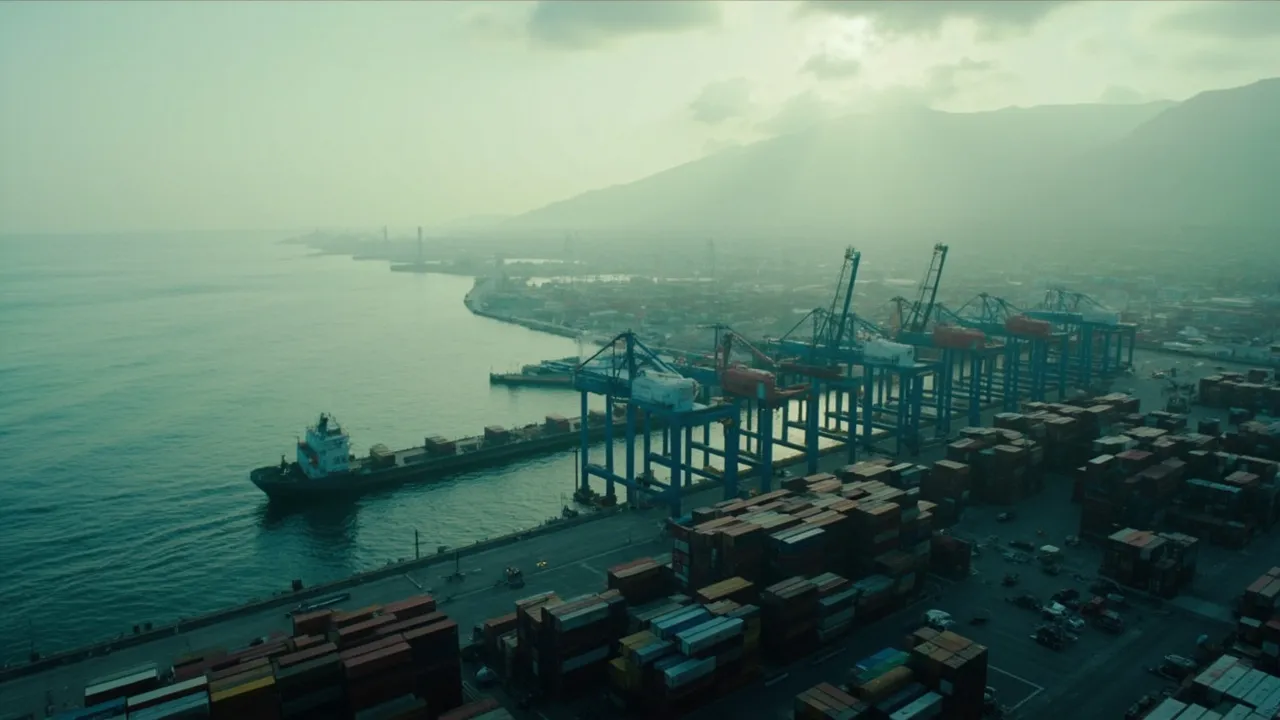
Global trade risk is no longer described well by a color-coded country map. A shipment may pass through a stable origin and destination yet encounter its greatest exposure while changing carriers at a transshipment port, entering a new customs jurisdiction, crossing a contested maritime chokepoint, or waiting overnight near a border.
That makes the corridor—not the country—the useful unit of control. Logistics teams need a geopolitical handoff register that documents every material change in custody, jurisdiction, mode, and operating environment, then connects those handoffs to owners, evidence, and approved alternatives.
Why country-level risk scores are too blunt
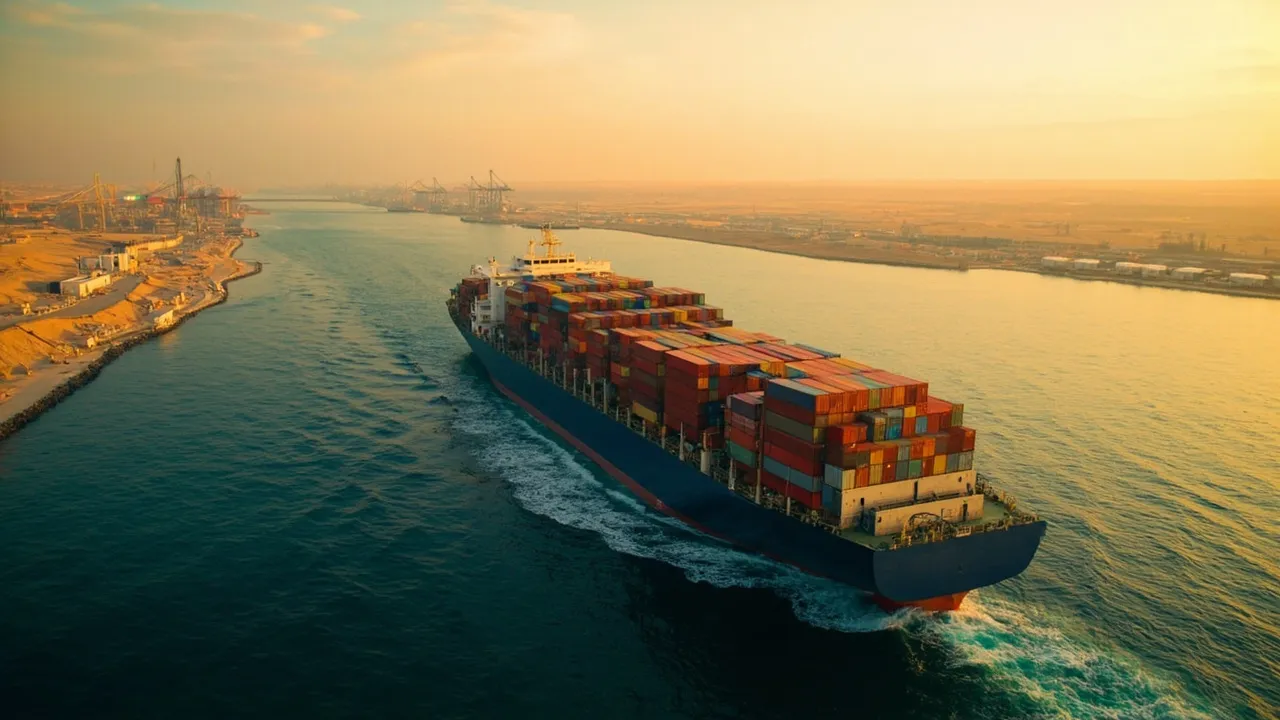
Recent disruptions show how sharply conditions can diverge between routes. Reuters reported that the Red Sea crisis left four ships sunk, consumed more than $1 billion in defensive weapons, and still caused much of the shipping industry to avoid the route. The same report noted that the Strait of Hormuz carries roughly one-fifth of global oil and liquefied natural gas supply. Those figures describe concentrated chokepoint exposure, not uniform regional risk.
The consequences also spread across modes. In March 2026, Reuters reported that more than 100 container ships were stranded around critical Middle Eastern routes while air freight lanes between South Asia and Europe faced the largest rate effects from airspace closures and security constraints. A nominal ocean disruption therefore became an air-capacity and cost problem too.
Physical security varies just as sharply. FreightWaves reported 1,074 cargo-theft investigations in the State of Mexico during the first five months of 2026. Yet subsequent reporting found theft reductions of 85.7% on the Mexico–Querétaro route and 90% on the Mexico–Puebla corridor. A national average would conceal both the hotspot and the improvement.
Build the register around handoffs
A useful register begins with the actual route plan. Break each corridor into operational segments and identify every point where one of four things changes:
- Custody: a carrier, terminal, broker, warehouse, or drayage provider accepts responsibility.
- Jurisdiction: cargo enters a new customs, sanctions, tariff, or documentation regime.
- Mode: freight transfers between ocean, air, rail, truck, or inland waterway.
- Control environment: cargo leaves a secure terminal, enters a theft hotspot, crosses restricted airspace, or depends on a chokepoint.
Each row should identify the origin and destination nodes, handoff type, planned dwell time, cargo value and sensitivity, responsible owner, required proof, and approved fallback. The objective is not to predict every political event. It is to know exactly which shipments, documents, partners, and decisions are exposed when conditions change.
Score five dimensions for every corridor
Use a simple one-to-five score for five risk dimensions, supported by dated evidence:
- Regulatory change: How quickly could tariffs, sanctions, export controls, customs interpretations, or documentation rules change?
- Physical security: What is the frequency and severity of theft, violence, tampering, or seizure at the specific node and connecting road?
- Capacity substitution: If the planned service fails, can another carrier, sailing, airport, border crossing, or mode absorb the volume?
- Customs delay: How variable is clearance time, and which missing data elements most often stop release?
- Recovery options: Can cargo be diverted before the critical handoff, and are alternative providers already contracted and approved?
Do not collapse the result into a single unexplained number. A corridor with high security risk but several strong alternatives demands different controls from one with moderate security risk and no viable substitute. Preserve the component scores so planners understand the reason for intervention.
Assign owners and evidence before departure
Every high-risk handoff needs one accountable owner. Shared responsibility usually means nobody knows who must act during a disruption. The register should name the person or team authorized to hold, reroute, change the broker, switch modes, or accept added cost.
Evidence requirements should be equally explicit. At a custody change, require a timestamped proof of transfer, equipment and seal identifiers, geolocation, and exception photos where appropriate. At a jurisdiction change, require the current classification, origin documentation, license or sanctions screening result, declared value, and broker acceptance. For a security-sensitive stop, record the approved parking location, maximum unattended dwell, tracking status, and escalation contact.
This discipline matters because criminal tactics evolve. Inbound Logistics identifies cargo theft as an urgent operational risk for high-tech and semiconductor shippers, whose products combine high value with relatively compact loads. A shipment-level evidence chain makes it harder for a fraudulent pickup, identity substitution, or unexplained dwell event to pass unnoticed.
Connect the register to live TMS events
A spreadsheet reviewed quarterly cannot keep pace with corridor volatility. The register should be linked to operational events in the transportation management system.
CXTMS can use booking, pickup, geofence, customs, tracking, transshipment, and delivery events to evaluate whether the planned controls are still valid. A vessel omission can flag a capacity-substitution review. An unexpected border dwell can request updated customs evidence. A route deviation or after-hours stop can trigger a security escalation. A carrier handoff without proof can prevent the next milestone from being treated as complete.
Set triggers against component risks rather than broad alerts. For example, a customs-rule change should affect shipments that cross the relevant jurisdiction with the affected commodity classification—not every load moving through the region. A security alert should identify loads approaching the exposed road segment, their current custody holder, and the last safe diversion point.
Make alternatives executable
An alternate route is not real merely because it appears on a map. Confirm that the substitute carrier can handle the commodity, equipment, insurance limit, licenses, data exchange, and forecast volume. Establish commercial terms before a crisis and document who can authorize the added cost.
Then test the plan. Select a representative shipment and rehearse a diversion before the critical handoff. Measure how long it takes to obtain a new booking, amend customs data, notify the customer, and restore tracking. The rehearsal will reveal whether the recovery option is operational or aspirational.
Geopolitical risk cannot be eliminated, but it can be converted into specific decisions. A corridor handoff register gives logistics teams the granularity to act early, preserve evidence, and use scarce alternatives where they matter most.
Ready to connect corridor risks, shipment events, and approved recovery actions in one workflow? Request a CXTMS demo and see how exception-driven transportation management supports resilient freight operations.