Five Grain Ships Hit Near Russian Ports Put Cargo-Level Threat Monitoring on the Dispatch Desk

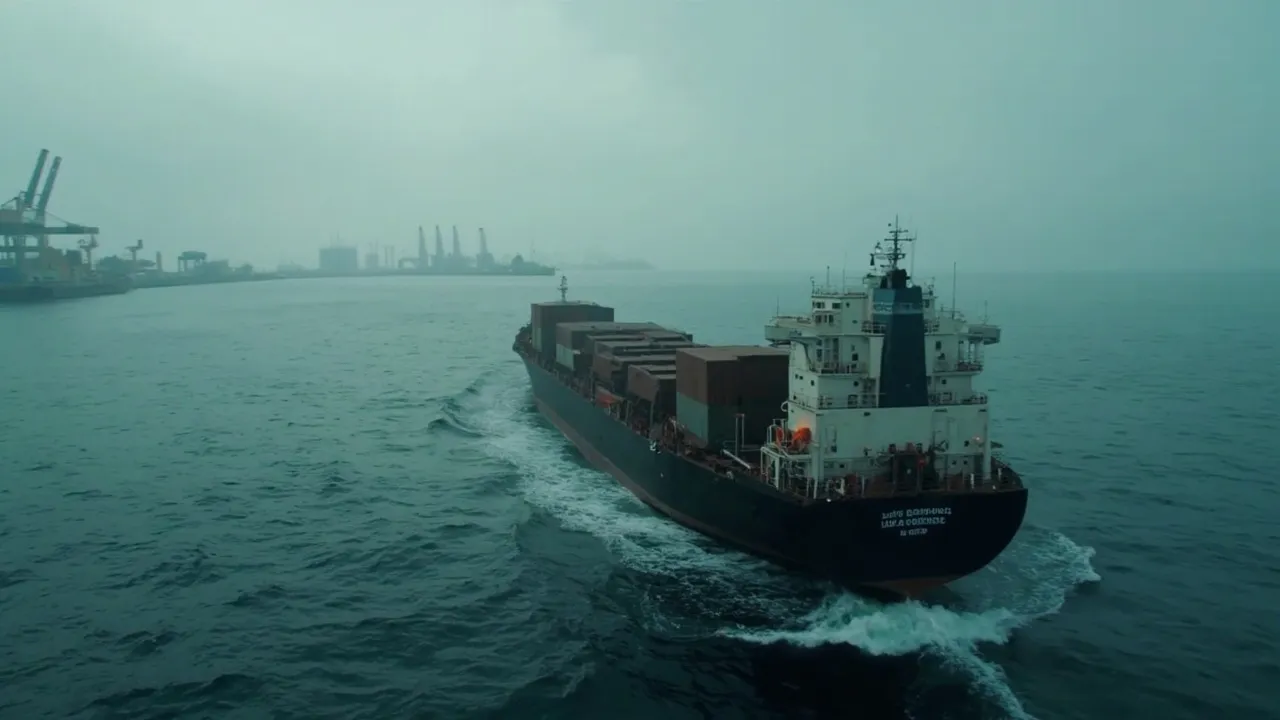
Threat monitoring has moved from the security desk to the grain dispatcher’s daily queue. At least five grain vessels were attacked near the Russian Black Sea ports of Novorossiysk and Tuapse on August 17 and 18, according to SupplyChainBrain. For shippers, the operational question is no longer whether the region is volatile. It is which voyage, cargo, contract, and customer promise requires a decision now.
The affected vessels show why a port-level alert is too blunt. One ship was approaching port empty, another had departed with wheat, and others were waiting to load or sailing with cargo aboard. Each status creates a different exposure. A transportation management system must connect the threat to the individual vessel and booking before it can support a hold, diversion, substitution, or notice.
Five attacks, five different operating positions
The reported incidents involved vessels at distinct points in the transport cycle. The Russian-flagged Victoria V, with capacity for 7,000 tonnes of grain, was due to load wheat at Novorossiysk. The Marshall Islands-flagged Fehu was struck after leaving the port with wheat but continued its voyage. Elina B had loaded about 56,000 tonnes of wheat and was heading toward the Bosphorus after being hit.
At Tuapse, the San Marino-flagged Necibe was due to load about 20,000 tonnes of wheat when it was attacked. The Liberian-flagged Anna S was heading to Novorossiysk to load barley when a drone strike caused a fire and left it unable to continue.
Those facts should not produce one generic “Black Sea disruption” exception. Victoria V and Necibe raise origin-capacity and loading questions. Fehu and Elina B require voyage monitoring, cargo-condition evidence, insurer communication, and destination planning. Anna S creates an immediate substitute-vessel and contract-performance problem.
The wider network context makes the distinction urgent. SupplyChainBrain reports that drone attacks have completely halted shipments from Russia’s Azov Sea ports since July 10; those ports account for a quarter of Russia’s grain exports. Russia and Ukraine together represent more than a quarter of global wheat exports, and the attacks arrived during harvest. A vessel incident can therefore become an origin-capacity squeeze rather than remain an isolated marine claim.
Separate port, vessel, cargo, and contract risk
Four risk layers should be tracked independently.
- Port risk covers terminal closure, berth availability, channel restrictions, grain intake, storage congestion, and port-service interruptions.
- Vessel risk covers physical damage, seaworthiness, crew safety, flag and ownership, insurer instructions, and the ship’s ability to proceed.
- Cargo risk covers whether grain is loaded, its quantity and condition, contamination or water exposure, inspection requirements, and title transfer.
- Contract risk covers laycan, delivery window, demurrage, substitute-performance rights, notice deadlines, sanctions screening, and force-majeure language.
A port may remain technically open while shipowners refuse calls. A vessel may continue sailing while its cargo requires inspection. A terminal suspension may delay loading without triggering force majeure under a particular sales contract. Treating these conditions as interchangeable invites bad decisions and weakens the evidence behind later claims.
Create separate event records, then link them. A verified terminal closure can affect many bookings; a hull-damage report applies to one vessel; a survey result applies to one parcel; and a contract deadline applies to one commercial obligation. Dispatchers need the combined picture without losing those boundaries.
Run a decision clock, not an open-ended watchlist
Every exposed shipment should receive a next-decision time. Start the clock when a credible alert matches a vessel, port, berth, or voyage.
Within 30 minutes: verify the vessel identity using IMO number rather than name alone. Match its last known position, load status, terminal, cargo, booking, and customer orders. Freeze nonessential instruction changes until the operating team confirms who has authority to redirect the ship.
Within two hours: ask the carrier or vessel operator for status, damage, sailing capability, port instructions, and the next update time. Confirm whether loading has started and whether title or risk has transferred. Notify insurance and legal teams when policy or contract time bars make early notice essential.
Within six hours: compare three paths: hold, divert, or replace. A hold needs a safe location, acceptable delay cost, and a credible reopening signal. A diversion needs berth and discharge compatibility, draft clearance, cargo documents, onward capacity, and customer acceptance. Replacement needs an available vessel or substitute origin, revised landed cost, and a realistic delivery date.
Before the contractual notice deadline: issue a factual notice that preserves rights without overstating what is known. Identify the affected obligation, event, operational consequence, mitigation under way, and next update. Do not wait for a broad declaration of force majeure if the contract requires prompt notice of a probable delay.
At every material change: update customers. “Port disruption” is not enough. State whether the cargo is loaded, whether the vessel can proceed, the current decision, and when the next confirmed update will arrive.
Make substitute-origin decisions with complete costs
When regional capacity tightens, the nearest alternative is not automatically the best. Compare substitute origins on commodity specification, available tonnage, loading window, ocean rate, insurance premium, port congestion, inland positioning, inspection, duties, and destination handling. Include the cost of missed production or customer penalties, not only freight.
Scenario records should retain assumptions and expiry times. A Romanian, Bulgarian, or other origin option may be attractive for four hours and disappear when capacity is booked. The dispatcher needs a quote-valid-until field and an owner empowered to approve the premium before the option expires.
Preserve the evidence behind every decision
For each exposed movement, the TMS should store the IMO number, vessel and flag, operator, voyage, ports and terminals, planned and actual milestones, AIS timestamps, carrier messages, incident time, verification source, damage status, and sailing capability.
The cargo record should include commodity, quantity, quality specification, lot or parcel, load status, title-transfer point, inspection certificates, condition reports, and affected customer orders. The commercial record should add charter party or booking reference, Incoterm, laycan, notice deadlines, demurrage terms, governing contract, insurance reference, force-majeure clause, notices sent, mitigation quotes, approvals, and decision history.
This audit trail is more than claim support. It prevents the next shift from reopening settled questions and allows leaders to see which decisions are waiting on evidence, money, or authority.
Put maritime risk into the CXTMS workflow
CXTMS connects vessel milestones, cargo records, documents, exceptions, owners, and customer communication in one operating workflow. When a Black Sea alert breaks, teams can identify the affected cargo, time-box the decision, compare recovery options, and preserve the evidence behind every action. Request a CXTMS demo to see how cargo-level threat monitoring can move from headlines to accountable dispatch decisions.