AI Cyberattacks Spike 50% in November: Build a Black Friday Fulfillment Isolation Plan

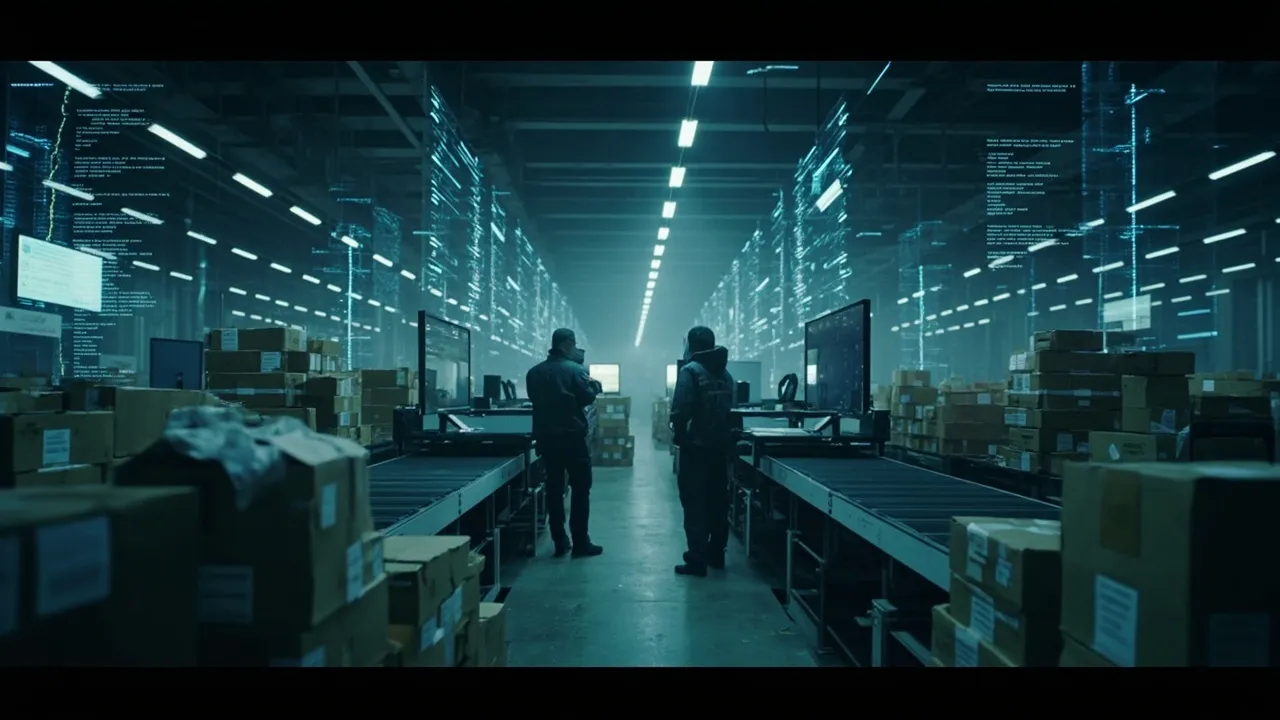
Black Friday concentrates revenue, order volume, temporary labor, promotions, and system dependencies into a narrow operating window. Attackers understand the leverage. When a retailer cannot accept payments, release orders, print labels, or communicate with carriers, every hour of disruption becomes more expensive—and pressure to pay a ransom rises.
Claims data cited by SupplyChainBrain shows that ransomware attacks on retail, leisure, and hospitality businesses are 50% more frequent in November than the monthly average. Yet only 43% of small and medium-sized retailers carry cyber insurance. Those figures make one point clear: seasonal cyber resilience must be an operating plan, not merely an insurance or IT discussion.
Map the fulfillment chain before peak volume
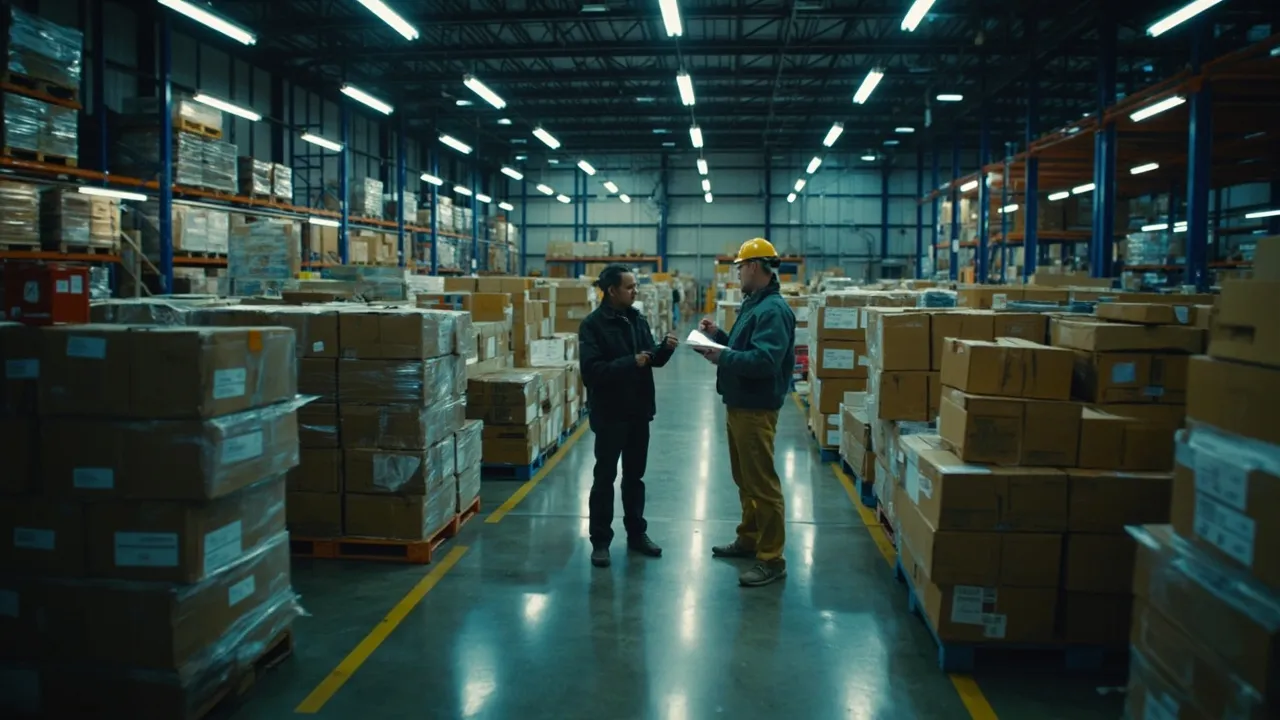
A digital order crosses more boundaries than most peak-season playbooks show. The storefront collects the cart. A payment service authorizes it. An order management system decides where it should ship. Warehouse software allocates inventory and directs picking. Carrier integrations return labels and tracking numbers. Supplier, marketplace, customer-service, and analytics connections move data in and out of the same environment.
That connectivity creates speed during normal operations, but it can spread compromise during an incident. AI-assisted phishing, credential attacks, reconnaissance, and malware development can help attackers move faster. The response cannot be to disconnect everything by default. It must be to identify which boundaries can close without stopping every shipment.
Create a dependency map for the six critical domains: storefront, payment, OMS, WMS, carrier connectivity, and supplier access. For every connection, record its business purpose, authentication method, data exchanged, technical owner, operating owner, and shutdown procedure. Identify whether the interface is real-time, batch, or manually replaceable.
Then classify it:
- Essential and trusted: required to take or fulfill priority orders, with tightly controlled access.
- Essential but isolatable: required normally, but replaceable for a limited period by a batch file or manual process.
- Nonessential during containment: analytics, marketing, secondary marketplaces, and other services that can be paused.
- Unverified: a connection with no current owner, documented purpose, or tested credentials; this is a peak-season liability.
Build boundaries that operations can actually use
Isolation is useful only when the organization can activate it quickly. Separate administrative accounts from ordinary user identities. Restrict supplier and carrier integrations to the data and functions they require. Segment warehouse control environments from corporate email and general browsing. Keep immutable or offline copies of configuration, order, inventory, and shipment data needed for recovery.
Each boundary should have a named decision-maker and a specific trigger. For example, confirmed credential theft might suspend a supplier portal while leaving warehouse execution active. Malicious traffic from an e-commerce integration might switch order intake to a clean batch process. Suspected WMS compromise might stop new wave creation while already released work continues under controlled supervision.
The company also needs a clean communications path. If email or collaboration systems are affected, incident leaders, distribution centers, carriers, payment providers, and key suppliers need verified phone numbers and an alternative channel. Print or securely store the contact tree before the event. A recovery plan trapped inside an unavailable system is not a recovery plan.
Define a minimum viable fulfillment mode
Containment should not force teams to choose between unsafe operation and total paralysis. Design a minimum viable mode that protects inventory and customer data while moving a narrow class of orders.
Start with manual release controls. Require two authorized people to approve order batches exported from a known-clean source. Validate order count, total value, ship-from node, payment status, and destination anomalies before release. Number every batch and reconcile it against picked cartons, labels, manifests, cancellations, and later system restoration.
Prioritization rules should be agreed before Black Friday. A practical sequence is paid orders with promised delivery commitments, temperature-sensitive or medically relevant goods, expedited orders already in process, and then standard orders by cutoff time. Hold unusually high-value orders, address changes, repeated payment attempts, and bulk purchases for additional review. The goal is not normal throughput; it is defensible throughput.
Prepare controlled workarounds for label creation and carrier tender. A carrier portal may provide emergency labels when the primary API is isolated, but access must use separate protected credentials. Predesignate printers and clean workstations. Document how tracking identifiers will be attached to the original order after recovery.
Inventory movement needs similar discipline. Paper pick lists or offline files should include a batch identifier, SKU, quantity, location, picker, checker, and completion time. Supervisors must log substitutions, shorts, damaged units, and abandoned work. Otherwise the business may restore its systems only to discover that physical inventory no longer matches the record.
Rehearse containment, not just restoration
Many exercises ask whether backups can be restored. Peak-season testing should also ask whether the business can operate safely while investigation continues. Run a tabletop exercise in which the storefront remains available but the OMS-to-WMS interface is shut down. Then test the reverse: the warehouse can work, but carrier APIs and corporate identity services are unavailable.
Measure time to detect, time to isolate, orders safely released per hour, untracked inventory movements, reconciliation backlog, and time to restore each interface. Include operations, cybersecurity, finance, customer service, legal, carriers, and warehouse partners. SupplyChainBrain's broader analysis of AI threats to supply chains reinforces why response planning must extend beyond one company's perimeter: connected suppliers and service providers can become routes into the network.
Insurance can transfer part of the financial risk, but it cannot pick an order, protect a shipping cutoff, or reconstruct undocumented warehouse activity. Retailers need both appropriate coverage and operational controls.
The Black Friday question is therefore not only, “Can we prevent an attack?” It is, “Can we isolate a compromised connection, preserve trustworthy records, and keep the most important orders moving?” A tested fulfillment isolation plan turns that answer from improvisation into controlled execution.
CXTMS gives logistics teams shared shipment visibility, controlled workflows, and auditable exception management when normal integrations are disrupted. Request a CXTMS demo.