Biofuel Export Growth Needs a Feedstock-to-Port Allocation Model

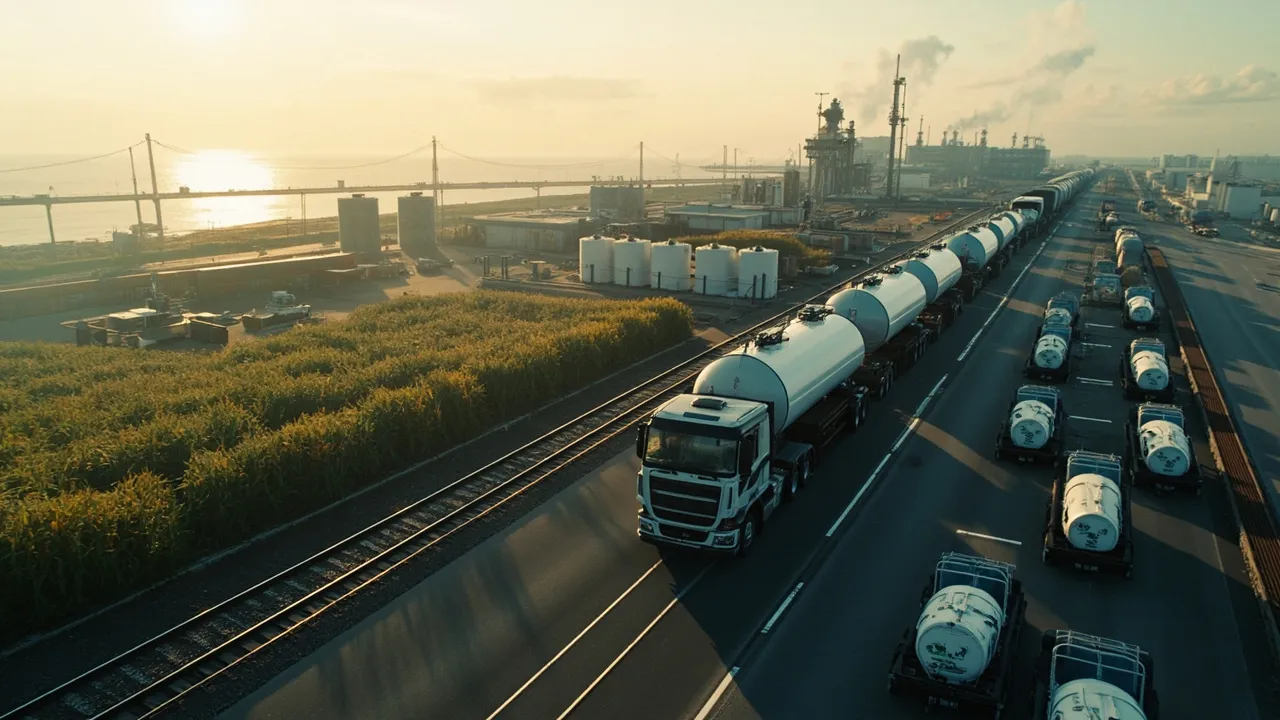
U.S. biofuel policy is creating a bigger logistics question than how much ethanol, biodiesel, or renewable diesel the country can produce. The harder question is where every ton of feedstock and every gallon of finished fuel should go when domestic mandates, export margins, transportation capacity, and destination-country rules all change at different speeds.
The federal government is now targeting foreign policies that limit the use of fuels made from U.S. crops. SupplyChainBrain reports that the effort follows measures intended to increase domestic production and seeks to reduce overseas barriers. If those barriers ease, producers will need more than additional sales contracts. They will need a feedstock-to-port allocation model that can decide whether scarce corn, soybean oil, storage, railcars, trucks, and terminal slots should serve domestic or export demand.
Policy Has Turned Allocation Into a Moving Target
The scale of the domestic pull is significant. Reuters reported that the EPA set biomass-based diesel and renewable diesel requirements at 5.4 billion gallons for 2026 and 5.7 billion gallons for 2027, up from 3.35 billion gallons in the prior year. Another Reuters analysis said USDA expected biofuel demand to absorb more than half of U.S. soybean oil production in the following marketing year.
Those figures make a simple export-first plan risky. A favorable overseas price can disappear after accounting for feedstock premiums, inland freight, port handling, vessel timing, compliance costs, and the opportunity cost of giving up a domestic sale. Conversely, reserving all production for domestic customers can leave value on the table when policy changes unlock a high-margin export lane.
The planning problem therefore needs to be rerun whenever a mandate, tariff, credit value, destination rule, crop forecast, freight rate, or terminal constraint changes. Annual budgeting is too coarse. Weekly planning establishes a baseline, while event-driven recalculation handles material market or operating changes.
Map the Chain Before Optimizing It
An allocation model is only as good as its representation of the physical network. Each feasible lane should connect six layers:
- Feedstock origin: available corn, soybean oil, distillers corn oil, used cooking oil, or other qualified material by location, grade, price, and period.
- Processing capacity: plant throughput, yield, conversion cost, maintenance windows, product specifications, and approved feedstocks.
- Storage: usable capacity for incoming material and finished fuel, tank compatibility, minimum inventory, and dwell limits.
- Inland transportation: truck appointment capacity, railcar availability, train schedules, transload options, transit variability, and empty-equipment return time.
- Port access: terminal throughput, tank availability, berth windows, draft or parcel-size constraints, and vessel cutoff dates.
- Destination eligibility: blend limits, carbon-intensity methodology, certification requirements, tariffs, documentation, and customer specifications.
Transport cannot be treated as an unlimited rate attached at the end. FreightWaves reported that first-quarter 2026 U.S. rail volumes reached their highest first-quarter level since 1993, while grain mill products rose 6.2%, with biofuel production contributing to grain processing and long-distance movement of co-products. Strong volumes are encouraging, but they also mean planners must reserve equipment and capacity rather than assume it will appear when an export cargo is booked.
Optimize Contribution, Not Headline Price
For each potential movement, calculate a delivered contribution margin:
Netback = sale price + applicable credits - feedstock - conversion - storage - inland freight - port and ocean costs - compliance cost - expected disruption cost.
Then maximize total network contribution subject to real constraints. The model should respect feedstock availability, plant rates, inventory limits, rail and truck capacity, terminal slots, contract commitments, sustainability eligibility, and customer delivery windows. It should also reserve buffers for uncertain rail transit, vessel slippage, feedstock quality, and documentation holds.
Scenario planning is essential. A base case can use committed rates and expected policy. An upside case can assume an overseas restriction is relaxed or a destination premium improves. A downside case can test a weaker credit value, delayed vessel, reduced crush volume, rail disruption, or port outage. Comparing the solutions reveals which lanes remain attractive and which depend on fragile assumptions.
Planners also need explicit domestic-versus-export guardrails. These can include minimum domestic service levels, maximum exposure to any one destination, inventory floors, working-capital limits, and thresholds for switching allocation. Without guardrails, small price movements can cause frequent plan changes that create more handling cost and service risk than value.
Chain of Custody Must Travel With the Product
The physical plan and compliance plan cannot live in separate spreadsheets. Export eligibility may depend on crop origin, feedstock category, production pathway, carbon intensity, mass-balance rules, and custody records across every transfer.
Create a digital lot record when feedstock is received and preserve its identity through conversion, tank movements, blending, rail or truck loading, terminal receipt, and vessel loading. Each event should carry quantity, timestamp, location, responsible party, certificate references, and any transformation or commingling rule. The transportation order should inherit the compliance requirements of the allocated lot.
Before tendering a movement, the workflow should verify three things: the product is physically available, the route is operationally feasible, and the documentation satisfies the destination. If one test fails, the load should not quietly advance. It should enter an exception queue with a named owner and the next-best allocation already calculated.
Turn Export Ambition Into Executable Flow
Reducing overseas barriers can create demand, but it does not create railcars, terminal tanks, feedstock, or compliant records. Biofuel producers need a planning discipline that connects commercial opportunity to the constraints between farm, plant, port, and customer.
A feedstock-to-port allocation model makes those tradeoffs visible. It protects domestic commitments, identifies export lanes with genuine delivered margin, reserves constrained logistics capacity, and ensures sustainability evidence remains attached to every shipment. That is how policy opportunity becomes reliable export volume instead of congestion and missed commitments.
Ready to coordinate complex bulk movements with better visibility and exception control? Request a CXTMS demo to see how connected transportation planning can support your logistics network.