Remote Assistance for Autonomous Trucks: Why Human Escalation Must Be a TMS Event

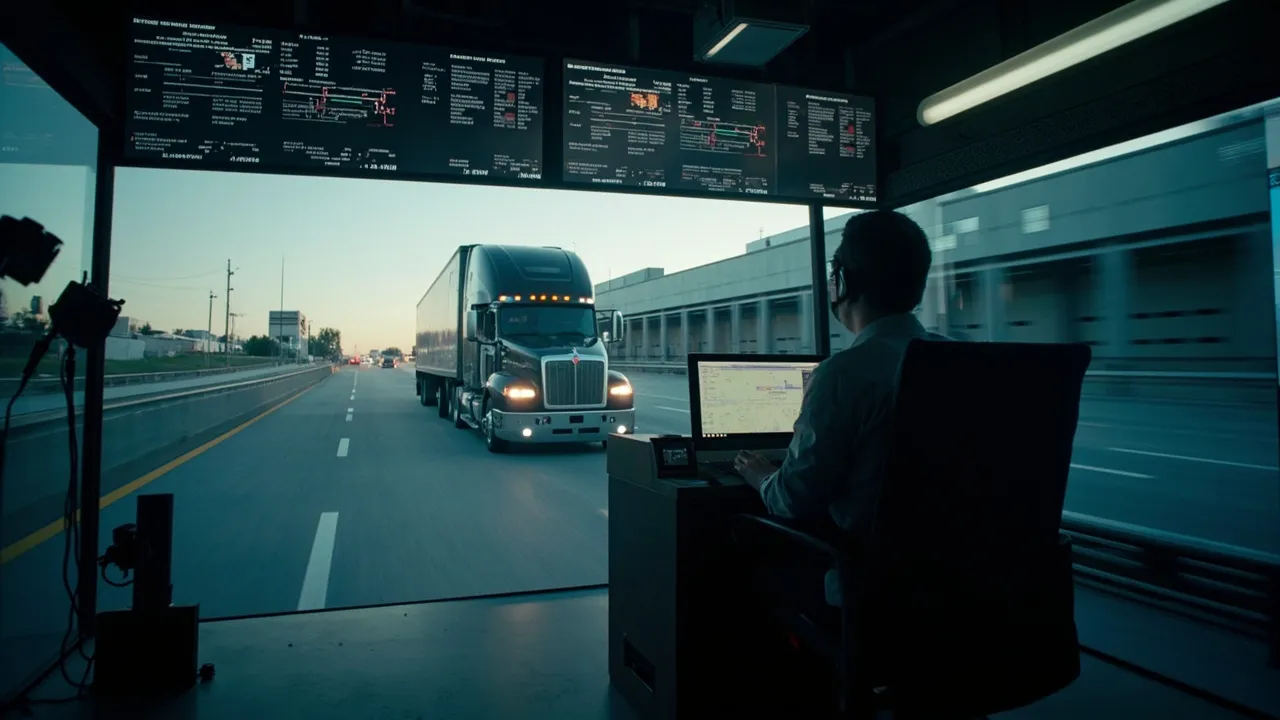
Autonomous trucks are moving beyond controlled demonstrations and into commercial freight. That progress does not eliminate human involvement; it changes where people enter the operating model. When a driverless vehicle encounters an unusual roadside interaction, blocked access, an unclear instruction, or another condition outside its normal decision envelope, a remote assistant may help it interpret the situation without taking over the driving task.
For shippers, brokers, and carriers, that intervention cannot live only inside the autonomous-driving platform. It affects a live shipment, a customer commitment, and potentially a safety or service exception. Remote assistance must therefore become a structured transportation management system event with an owner, timestamp, reason, resolution, and downstream communication rule.
Assistance Is Not Remote Driving
FreightWaves reported that Bot Auto plans to staff its remote assistance operation exclusively with U.S.-based personnel. The company distinguishes those assistants from remote drivers: they sit between a driverless truck and a person approaching it, but do not perform the driving task. Bot Auto describes the model as part of a wider safety architecture that includes validation, regulators, and emergency-service coordination.
That distinction matters operationally. If every human contact is reported as “remote driving,” shippers cannot tell whether the autonomous system remained in control, whether a person merely clarified context, or whether the load required a different recovery action. The TMS needs a precise event taxonomy, such as roadside communication, facility-access clarification, law-enforcement interaction, route obstruction, equipment concern, or shipment instruction.
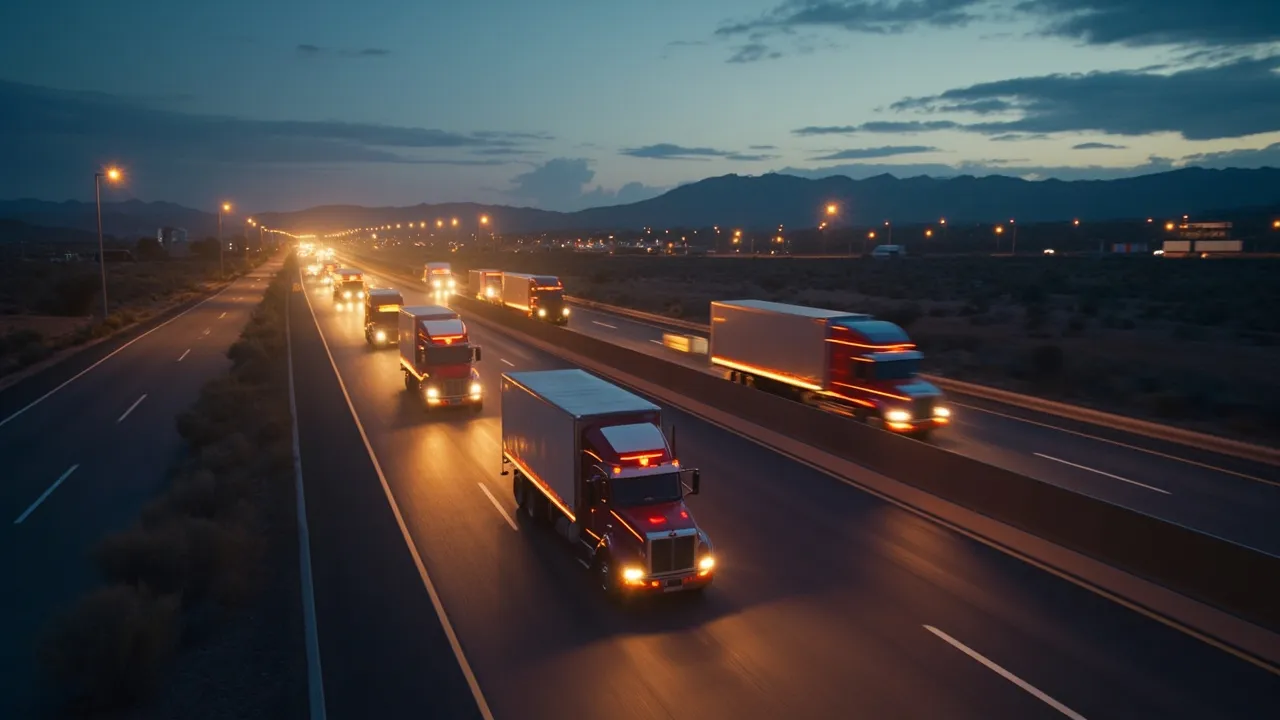
Commercial evidence makes this more than a theoretical data exercise. In April, Bot Auto completed a 231-mile commercial freight run across Texas without a safety driver, remote operator, or in-cab observer. The milestone shows that a truck can complete a normal run with no human intervention. It also establishes the right baseline: assistance is an exception to measure, not a permanent shadow-driving activity to hide inside general status updates.
Capture the Handoff as a Shipment Event
When assistance begins, the TMS should receive a machine-readable event containing six essential fields:
- Vehicle and shipment state: tractor, trailer, load, current autonomous mode, speed or stopped status, and relevant equipment alerts.
- Location and route context: coordinates, road segment or facility, planned route, safe-stop location, and distance to the next milestone.
- Intervention reason: a standardized code plus a short narrative describing what triggered escalation.
- Business priority: delivery commitment, cargo sensitivity, customer tier, remaining schedule buffer, and any appointment constraint.
- Owner and authority: the remote assistant, fleet supervisor, carrier contact, shipper contact, and the decisions each party is permitted to make.
- Resolution clock: start time, acknowledgment time, actions taken, clearance time, and the next customer-notification threshold.
These fields connect the autonomous system's technical event to transportation execution. A stopped truck carrying routine freight with four hours of schedule buffer should not trigger the same workflow as a temperature-controlled shipment approaching a fixed receiving cutoff. The vehicle state may be identical while the commercial consequences are radically different.
The handoff should also preserve an audit trail. Every instruction, status change, and approval belongs to the same shipment record. If an assistant tells a responder that the vehicle will remain stationary, or a fleet supervisor approves a recovery tractor, the decision should not disappear into a voice call or separate vendor dashboard.
Measure Intervention Without Distorting Autonomy
Autonomous-freight scorecards need more nuance than “human involved” versus “no human involved.” FreightWaves' coverage of Einride reported 27% revenue growth and a 60% increase in driverless hours, illustrating how quickly commercial activity can expand. As volumes grow, raw intervention counts will naturally rise even if performance improves.
Shippers should normalize events by autonomous miles, operating hours, loads, and facility visits. Useful measures include interventions per 1,000 autonomous miles, median acknowledgment time, median resolution time, percentage resolved without a physical recovery, service failures following an intervention, and recurrence by lane or location.
Separate assistance categories as well. A facility guard asking an unexpected question is different from a perception-system uncertainty or a mechanical fault. Combining them produces a noisy rate that neither operations nor safety teams can improve. The TMS should let analysts segment events by cause, route, terminal, weather, customer, time of day, and outcome.
Most importantly, do not reward teams for avoiding escalation. A low assistance rate is meaningful only when paired with safe completion, on-time performance, and complete event reporting. Otherwise, the metric can encourage operators to delay a prudent intervention or classify it inconsistently.
Build Lane Readiness Before Dispatch
Each autonomous lane needs an approved operating profile before the first tender. Confirm that origin and destination facilities understand driverless arrival procedures, gate personnel know whom to contact, staging areas can accommodate a safe hold, and local recovery resources are available. Map construction zones, recurring closures, inspection points, and other locations likely to generate nonstandard interactions.
Carrier agreements should define who owns the load during an extended stop, when the shipper may request transloading or a replacement tractor, and which party pays for recovery, missed appointments, or cargo handling. Escalation permissions must be explicit: a remote assistant may provide situational context, while route changes, cargo decisions, or appointment changes may require different approval.
Customer communication should be based on impact rather than novelty. A brief assistance event that consumes none of the delivery buffer may need only an internal record. An unresolved stop approaching a notification threshold should automatically create a customer-service task with the current location, revised ETA, owner, and next update time. This keeps teams from either alarming customers over routine events or staying silent until a delivery fails.
Make Human Escalation Operationally Visible
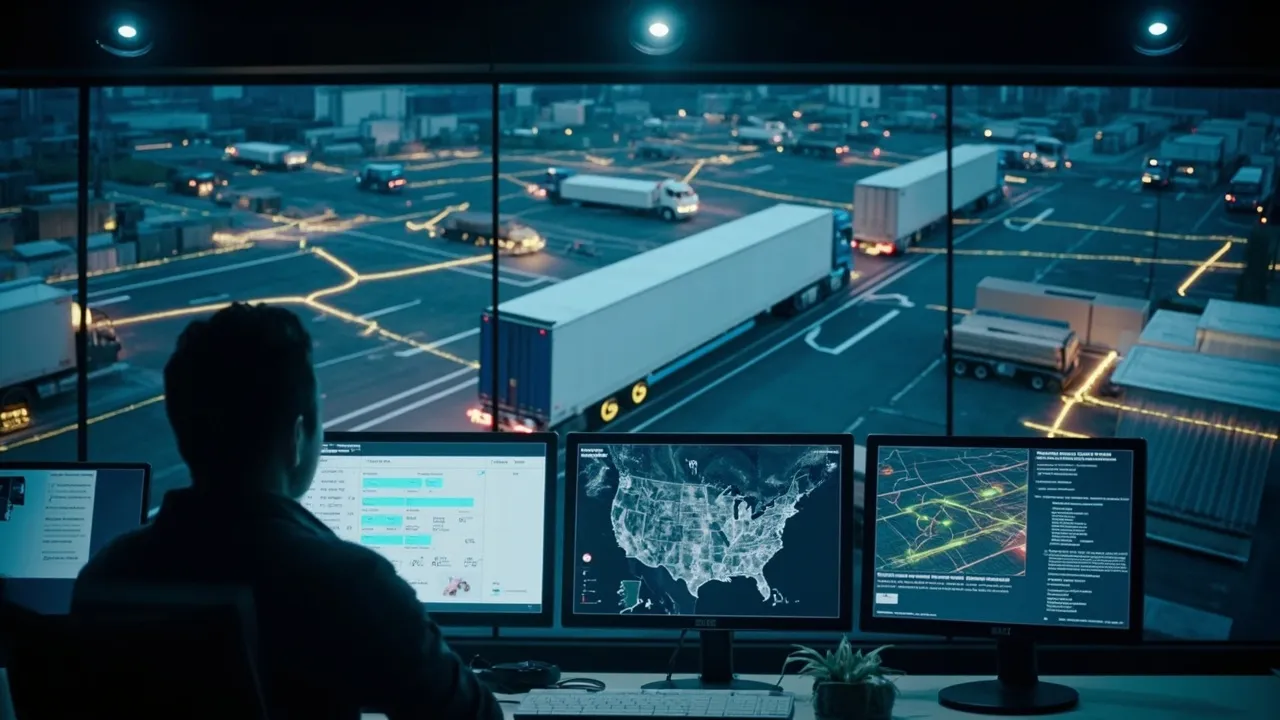
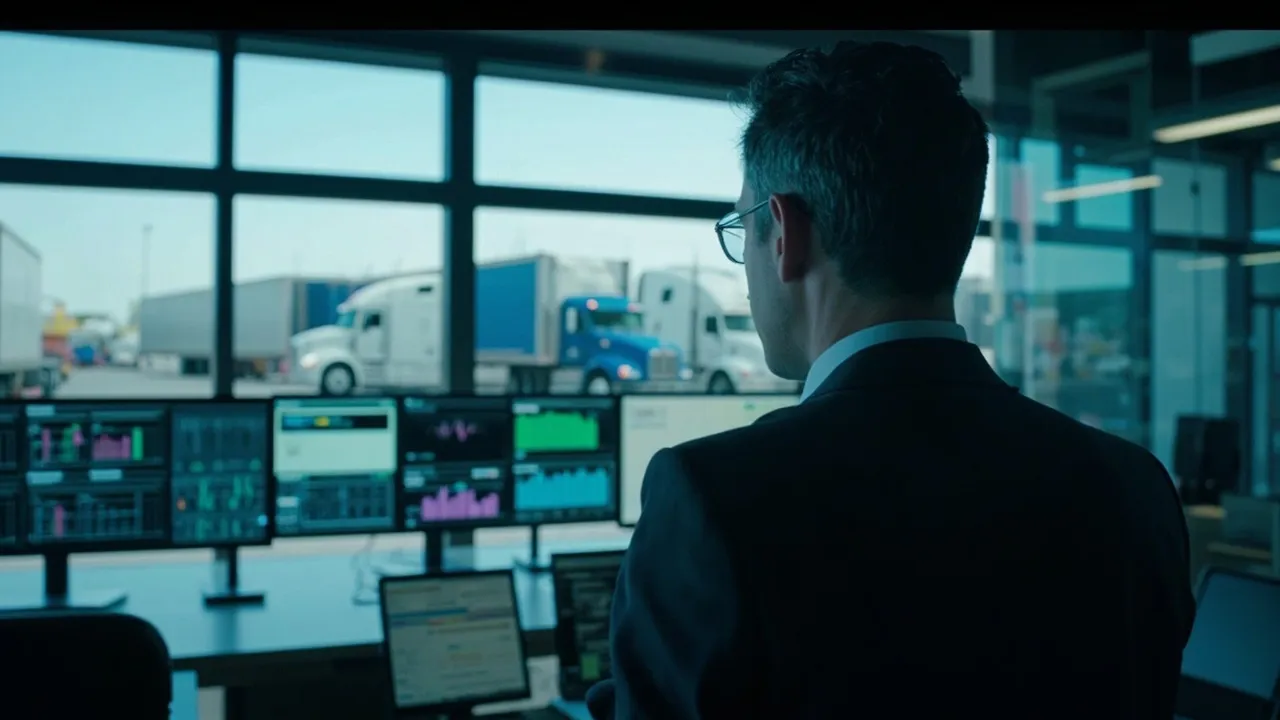
The autonomous truck, remote assistance center, carrier operations team, shipper, and customer all see different parts of the same movement. The TMS is where those views should converge. Treating assistance as a formal shipment event turns an unfamiliar technology interaction into familiar transportation controls: detect, assign, resolve, communicate, and learn.
That structure will matter more as driverless hours and commercial lanes multiply. The goal is not to pretend humans have vanished from freight. It is to ensure that when human judgment is needed, the handoff is fast, authorized, measurable, and connected to the load's service promise.
CXTMS connects shipment milestones, exception ownership, carrier collaboration, customer notifications, and performance analytics in one workflow. Request a CXTMS demo to see how your team can manage autonomous-freight exceptions without losing operational control.