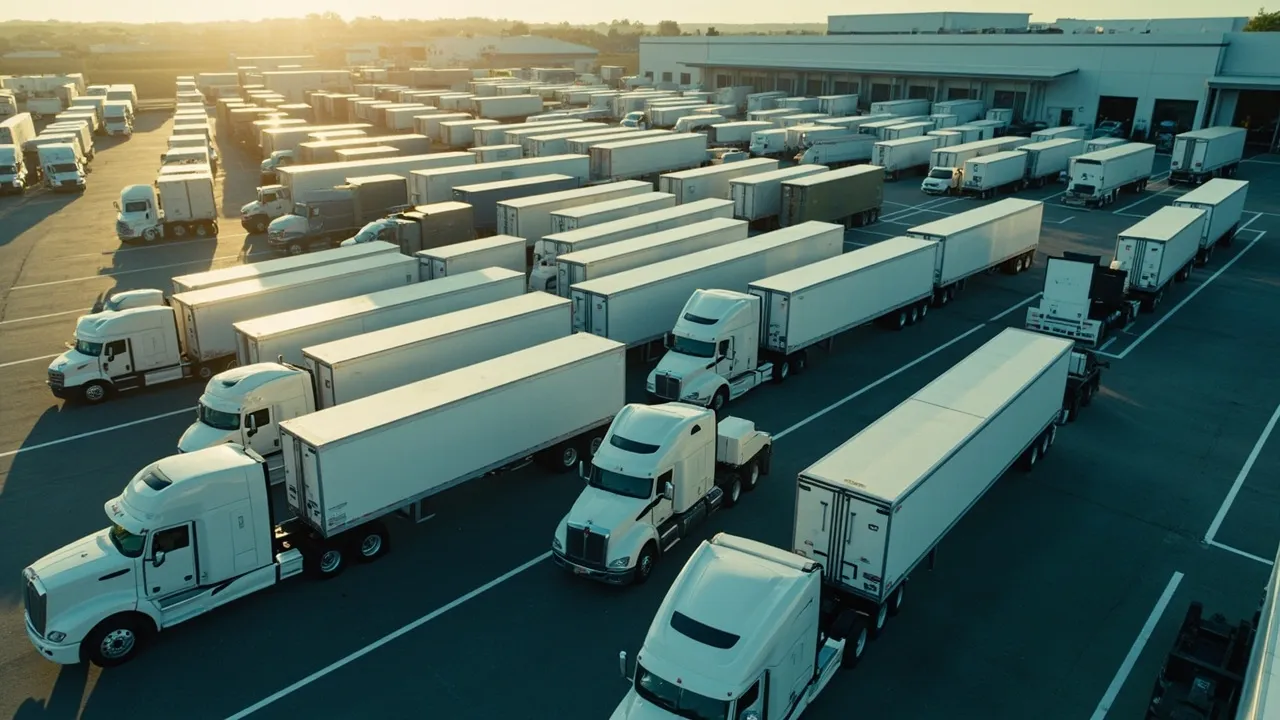
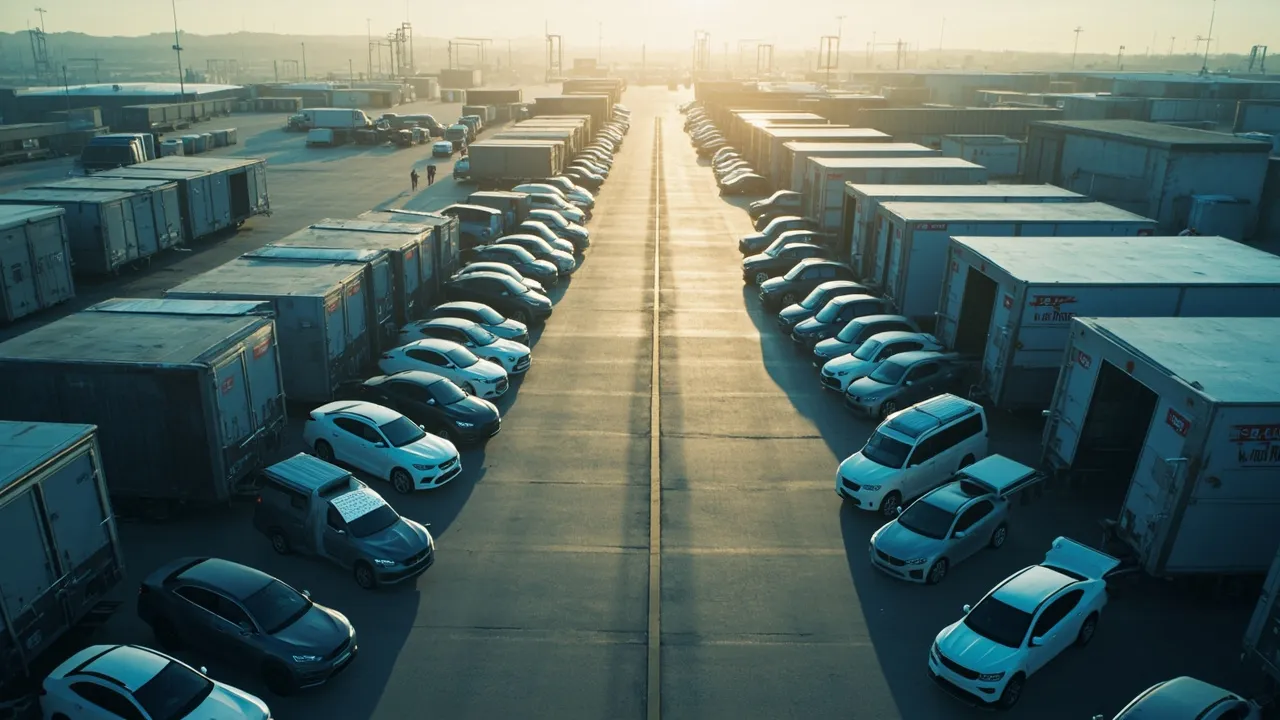
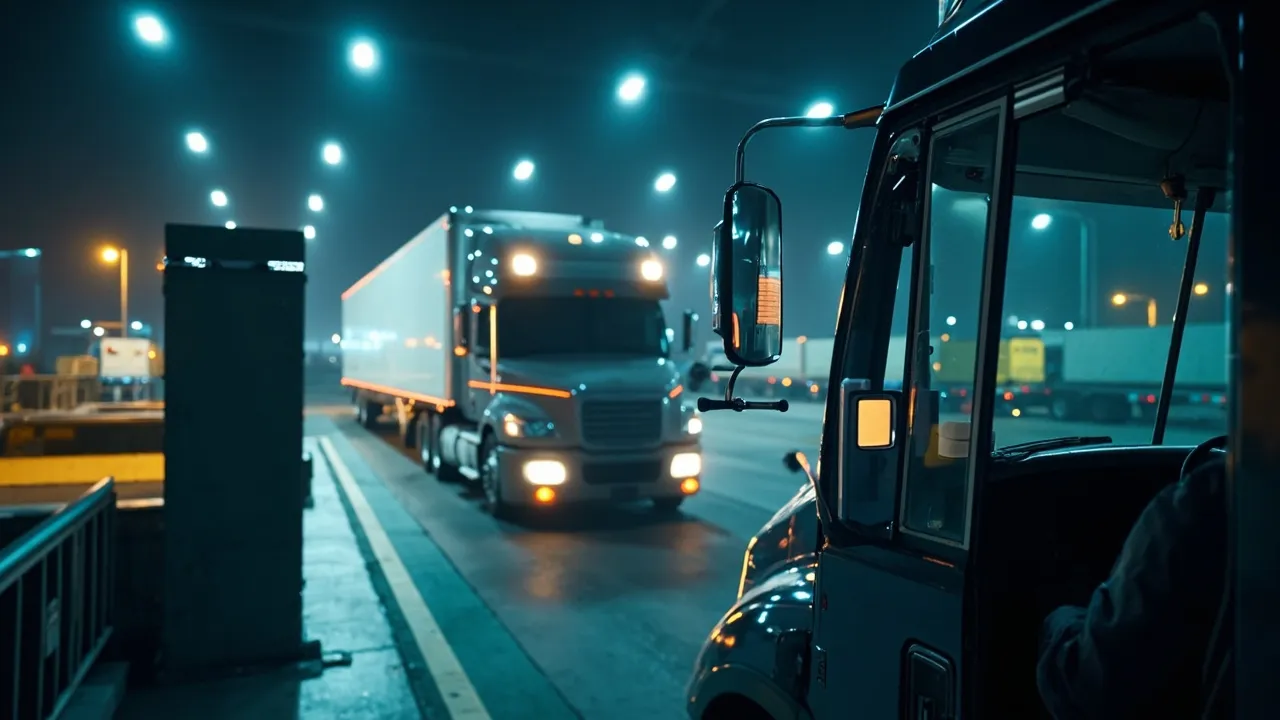
Automated Yard Inventory: Turn Gate Images Into a Container Custody Timeline

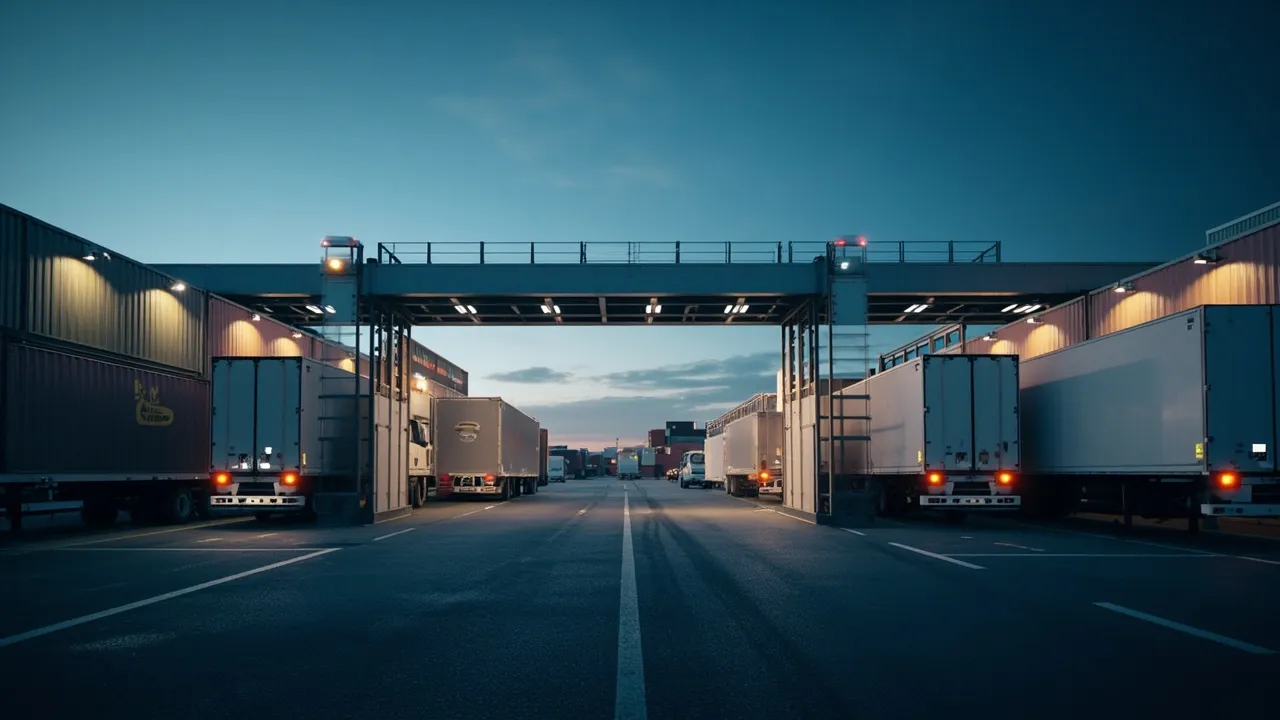
A container enters the gate, disappears into a row of look-alike equipment, moves twice, and leaves behind a different tractor. On paper, those are separate transactions. Operationally, they are one chain of custody—and every missing event creates another opportunity for wasted labor, detention, a wrong-equipment departure, or a claim nobody can settle cleanly.
Computer-vision gate capture can close that gap. The important shift is not simply replacing a clipboard with a camera. It is converting every inbound image, yard observation, and outbound image into a time-stamped asset history that operations teams can search and act on.
The gate should create an asset record, not a folder of images
At arrival, a useful vision workflow captures more than the container number. It can identify the chassis number, tractor and trailer license plates, carrier logo, door orientation, visible damage, seal area, and the lane used. The system associates those observations with the driver's appointment or shipment record and records a confidence score for every machine-read identifier.
That distinction matters. A photograph proves that something passed a camera. A structured event says container ABCD 123456 entered on chassis XYZ at 10:14, tied to appointment 8472, with its doors facing rearward. Structured events can trigger workflows; image archives generally cannot.
FreightWaves reports that Aviro360 captures container and chassis numbers, license plates, and logos on both inbound and outbound moves, then connects the asset activity on a single timeline. That model turns the gate into the first control point for custody rather than a passive security checkpoint.
Build one timeline from entry to exit
The custody timeline should start before arrival and continue until departure:
- Expected: The TMS sends the shipment, carrier, equipment requirements, appointment, and planned arrival window.
- Observed inbound: Gate cameras identify the physical equipment and compare it with the expected record. Exceptions route to a guard instead of allowing an uncertain match into the yard.
- Located: A yard system assigns a parking spot and records subsequent moves, either through fixed cameras, mobile scans, telematics, or operator confirmations.
- Serviced: The WMS records when loading or unloading begins and ends, while the yard system records dock-door arrival and release.
- Observed outbound: Cameras recapture the equipment, plate, door condition, and exit time. The application checks that the container and chassis are authorized to leave together.
- Closed: The TMS receives departure confirmation, begins the next transit milestone, and stores supporting evidence for billing or claims.
This design prevents the common failure in which a gate system, yard spreadsheet, WMS, and TMS each hold a fragment of the truth. The timeline needs a durable asset identifier, but it should retain the original images and machine-confidence scores too. When a number is partially obscured, a user can review the evidence without erasing the first observation.
Measure the operational problem, not camera activity
The business case should be tied to time, errors, and custody—not the number of images processed. Detention is a material industry problem: the American Transportation Research Institute data cited by FreightWaves found that drivers were detained at 39.3% of stops in 2023, costing for-hire carriers $3.6 billion in direct expenses and $11.5 billion in lost productivity.
The most useful yard measures are therefore:
- Gate-to-spot time: minutes from inbound capture to confirmed parking location.
- Spot-to-dock time: how long equipment waits before service begins.
- Search time: labor minutes spent locating an asset whose recorded position is wrong or missing.
- Total dwell: arrival-to-departure duration, segmented by carrier, customer, shift, commodity, and appointment status.
- Location accuracy: percentage of physical audits that match the recorded spot.
- Wrong-equipment stops: attempted exits blocked because the observed container, chassis, plate, or shipment did not match authorization.
- Disputed-custody resolution: claims or invoices resolved with a complete evidence trail and the average time required.
Benchmarks should be treated carefully. A Logistics Management analysis says automated-yard programs can cut dwell by up to 30% and improve asset utilization by 25% or more. Those figures are useful as an opportunity range, not as a guaranteed result. A site should establish a four-to-six-week baseline and measure improvement against comparable volume, shift, and freight profiles.
Connect the YMS, WMS, TMS, and gate security layer
Automated inventory only works when each system owns a clear part of the process.
The TMS should own shipment intent: appointment, carrier, load, required equipment, ETA, and departure milestone. The yard management system should own physical position, move queues, dock assignment, and dwell clocks. The WMS should own freight readiness and loading or unloading status. The security layer should own identity validation, access decisions, image evidence, and manual overrides.
Integrations should exchange events, not periodic spreadsheets. An inbound observation can validate an appointment and open a yard visit. A spot assignment can update the asset's location. A WMS completion event can make the unit eligible for departure. The outbound gate event can close dwell, confirm custody transfer, and launch the next TMS milestone.
This architecture reflects the broader market direction. Logistics Management's 2025 YMS update notes that modern yard platforms increasingly combine AI-enabled vision, dock scheduling, real-time asset visibility, and WMS/TMS integration. The value comes from the connection among those capabilities, not any single camera or screen.
Put exception handling ahead of full automation
A strong rollout starts with one gate and a narrow equipment population. Measure recognition accuracy by daylight, rain, glare, dirty equipment, and plate style. Define the minimum confidence for automatic entry and send ambiguous records to a human review queue. Never let a low-confidence read silently create a second identity for an asset already on site.
Operations should also define override controls. Who may correct an identifier? Must the original reading remain visible? What evidence is required to release mismatched equipment? How quickly must a failed camera revert to a manual process? Each correction should preserve the user, timestamp, reason, and source image.
Once inbound and outbound capture is stable, add spot verification and dock events. The practical goal is not a flashy “autonomous yard.” It is a trustworthy custody timeline that tells operators what arrived, where it is, what happened to it, and whether the right equipment left.
When those events feed transportation execution, yard visibility becomes more than a local productivity tool. It improves carrier communication, detention review, departure accuracy, and shipment tracking across the network.
Ready to connect yard events with transportation execution? Request a CXTMS demo to see how a unified TMS can turn gate, equipment, and shipment milestones into actionable workflows.