A.P. Moller’s 50-Terminal Bet: What Port Consolidation Means for Shipper Optionality

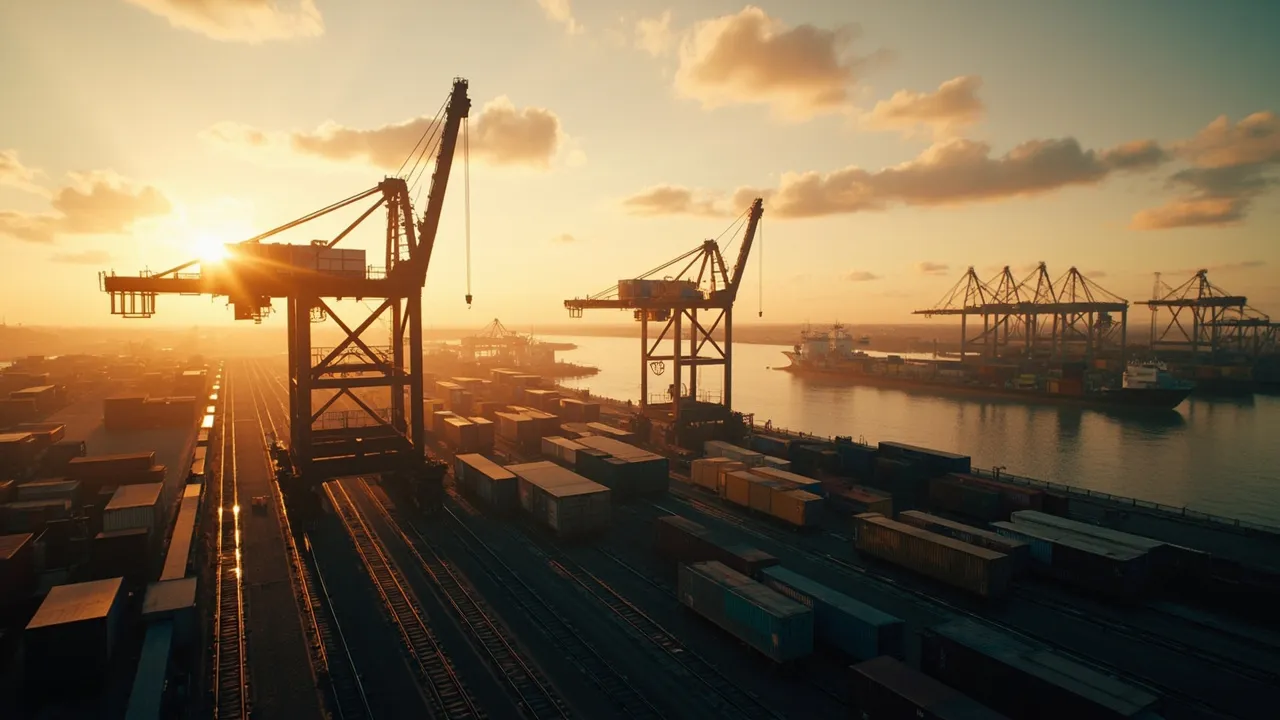
A.P. Moller Capital is assembling a terminal portfolio that reaches well beyond container cranes. Its proposed majority investment in Euroports, combined with an agreement to acquire Portek International and an earlier investment in Spain’s Bergé, would give the infrastructure investor exposure to container, bulk, breakbulk, vehicle and multipurpose cargo flows across Europe, Africa and Asia.
For shippers, the headline is not simply that another investor is buying port assets. The operational question is whether common ownership makes cargo handoffs easier—or gradually reduces the number of genuinely independent gateways available when congestion, labor disruption or contract disputes occur.
The scale behind the deal
FreightWaves reports that Euroports operates more than 50 deep-sea and inland terminals in 10 European countries and China, handling more than 70 million metric tons annually. The network includes operations at Antwerp-Bruges, Rostock, Venice and Port-la-Nouvelle, with a strong position in industrial and agricultural bulk and breakbulk cargo.
Portek adds interests in seven terminals across Algeria, Gabon, Indonesia, Latvia, Malta and Vietnam, plus port engineering and maintenance services. A.P. Moller Capital agreed to acquire 100% of Portek from Mitsui & Co.; the Euroports deal would provide majority ownership while Belgian investment institutions SFPIM and PMV remain shareholders. Financial terms were not disclosed, and both transactions remain subject to approvals and closing conditions.
The portfolio is separate from Maersk’s APM Terminals business. That distinction matters commercially, but shippers should still map the broader ecosystem when evaluating concentration. FreightWaves notes that APM Terminals has four operating U.S. container terminals—in Los Angeles, Elizabeth, Mobile and Miami—and has announced an initial $500 million commitment to develop Louisiana Gateway Port.
Where common ownership may help
A larger terminal platform can produce real operating benefits. Shared capital access can fund cranes, storage, rail connections and digital gate systems that smaller facilities may struggle to finance. Common operating standards can also reduce variation in appointment processes, safety rules, cargo visibility and performance reporting.
For multimodal cargo, coordinated terminal management may improve handoffs between vessel, barge, rail and truck. A bulk agricultural shipper, for example, benefits when storage availability, berth windows and inland transport capacity are planned as one flow rather than as separate transactions. Industrial shippers may gain from a portfolio able to handle project cargo or breakbulk at multiple gateways under more consistent procedures.
Network breadth can also provide internal alternatives. If a terminal group has facilities on several coasts or transport corridors, it may be able to redirect volume and apply operational knowledge quickly when one gateway is constrained.
But an alternative inside one owner’s network is not the same as an independent market alternative.
The optionality risk
Consolidation can narrow commercial choice even when the number of physical terminals remains unchanged. Two gateways may look like alternatives on a map but provide limited negotiating leverage if they share ownership, commercial policies, data systems or capacity priorities.
The risk is most visible in four areas:
- Contract terms: Common ownership may align minimum-volume commitments, accessorial charges or renewal calendars across facilities.
- Capacity allocation: During disruption, affiliated customers or strategic cargo categories may receive different priority.
- Data dependency: A shipper using one terminal group’s visibility and appointment tools across several gateways can face a larger operational impact from one outage or integration failure.
- Exit friction: Specialized cargo may require dedicated handling equipment, storage permits or rail service that makes a nominal alternate port impractical.
Shippers therefore need to distinguish terminal count from usable optionality. A second port only protects the supply chain if it has available berth windows, appropriate cargo capability, viable inland connections and executable commercial terms.
Score gateways on five operational dimensions
A resilient routing plan starts with a comparable gateway scorecard rather than a list of port names.
- Berth access: Track typical waiting time, schedule reliability, draft limits and the process for securing windows during peaks.
- Dwell performance: Measure container, bulk and breakbulk dwell separately. Record the point at which storage charges begin and how quickly exceptions are resolved.
- Rail and truck connectivity: Confirm carrier coverage, gate hours, appointment availability, rail frequency and the cost of reaching key distribution or production sites.
- Commodity capability: Verify cranes, warehousing, temperature control, hazardous-material permissions, RoRo ramps and handling expertise for the actual cargo mix.
- Contract flexibility: Compare volume commitments, surcharges, termination rights, data-access provisions and force-majeure language.
These measures should live with shipment and contract data in the TMS. Static annual reviews are too slow for a market in which ownership, capacity and service patterns can change quickly.
Set a gateway concentration limit
Every shipper should define how much volume can depend on one terminal owner, one port complex and one inland corridor. The right ceiling varies by cargo and geography, but the method should be explicit.
Start by grouping gateways by beneficial owner and critical dependencies. Then calculate the percentage of annual volume, revenue at risk and time-sensitive shipments exposed to each group. Establish a concentration threshold that triggers sourcing of an independent alternative before the limit is breached—not after a disruption begins.
The alternate-port trigger should also be measurable. A rolling threshold could activate when berth waiting time, dwell, rejected appointments or rail cancellations exceed agreed levels for several days. The playbook must name the alternate terminal, carriers, rate agreement, customs setup and inland route. Without those elements, it is a contingency idea, not a routing option.
Turn ownership changes into routing decisions
A.P. Moller Capital’s expansion illustrates why terminal ownership belongs in transportation planning data. The deals may deliver better infrastructure and more consistent execution across important trade lanes. They may also create correlated exposure that conventional port-by-port reporting misses.
CXTMS helps freight teams connect gateway performance, contracts, shipment events and alternate routes in one operating view. When a concentration threshold or service trigger is breached, planners can evaluate executable options instead of rebuilding the network map during a crisis.
Request a CXTMS demo to see how stronger gateway data can support resilient ocean and inland routing.