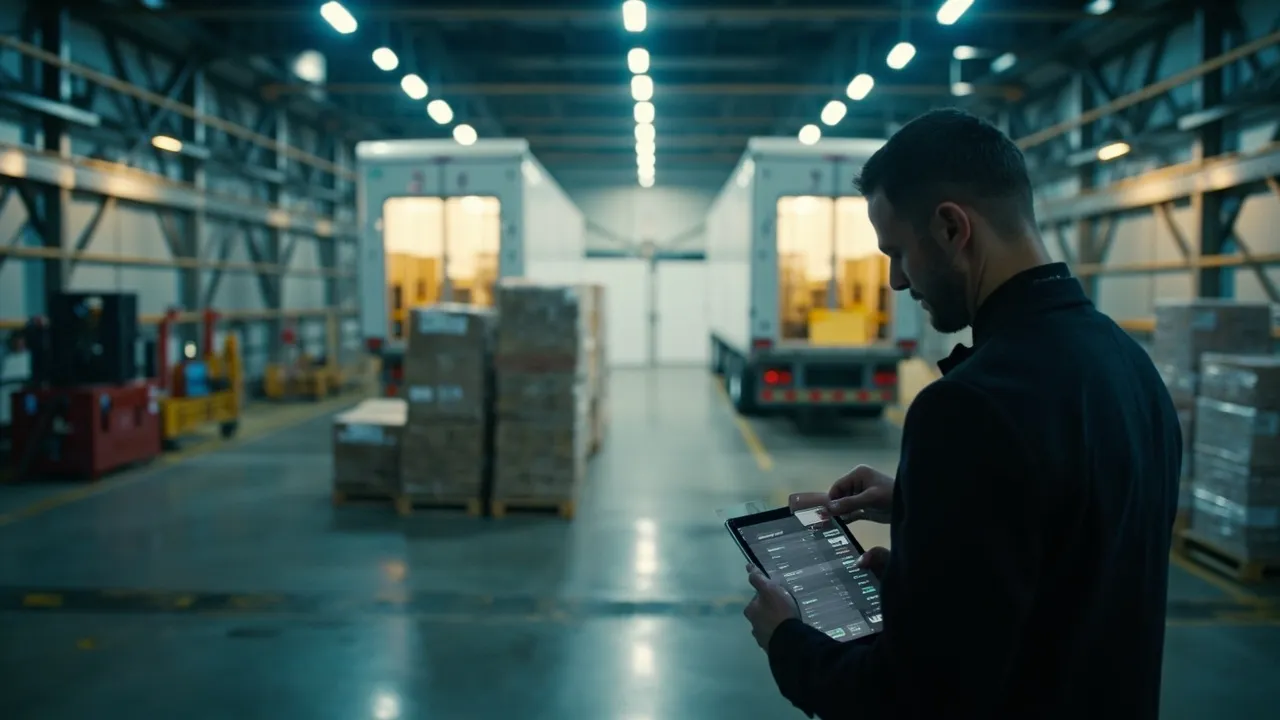
Amazon Adds LTL Labels for Bulky Sellers: Govern the Parcel-to-Freight Handoff

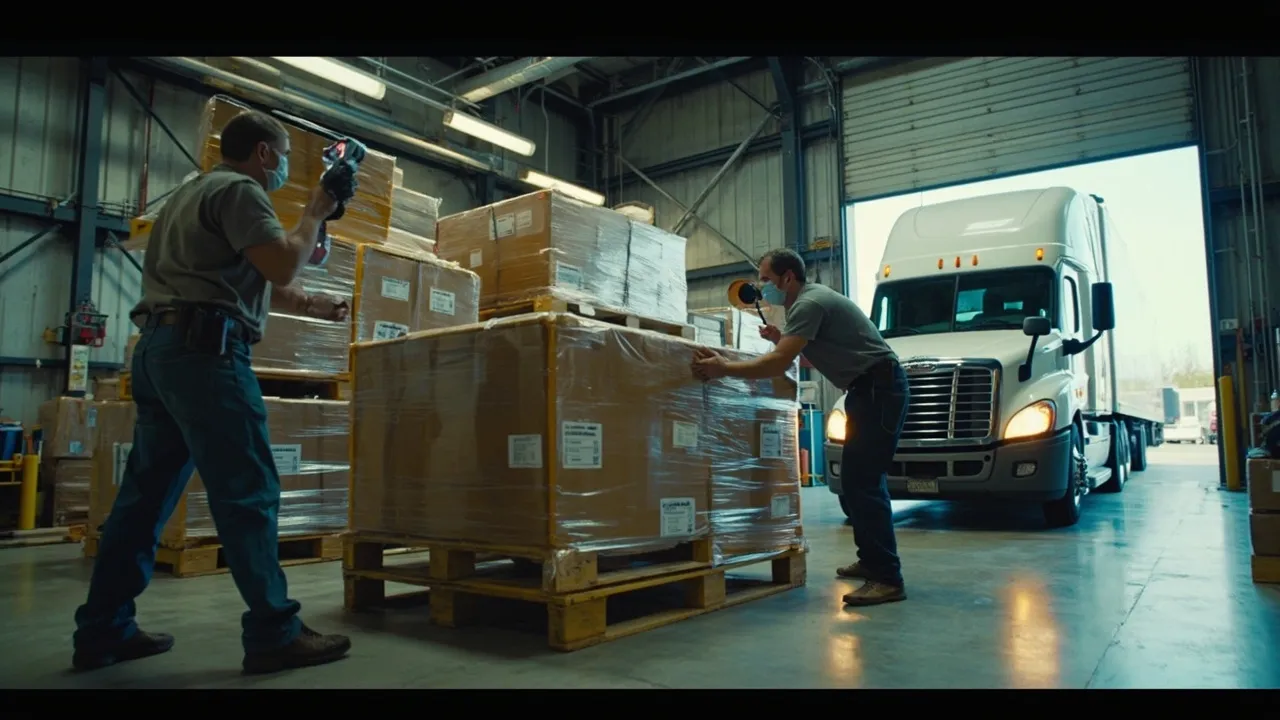
Amazon is making the parcel-to-freight boundary easier to cross—but sellers still need to govern what happens on either side of it.
Beginning in October, sellers can purchase less-than-truckload labels for heavy and bulky shipments through Amazon Buy Shipping in Seller Central or connected third-party shipping software. According to Supply Chain Dive, Amazon says the service combines negotiated rates with protection from late-delivery disputes. That is a meaningful workflow improvement for merchants accustomed to buying parcel labels inside one system and arranging freight elsewhere.
But an LTL label is not simply a larger parcel label. The shipment carries different data, pricing logic, handling requirements, delivery commitments, and evidence. Sellers that treat the new option as a label-printing change risk converting checkout convenience into reclassification charges, missed appointments, damage claims, and broken customer promises.
Why the handoff matters now
Big-and-bulky commerce is becoming an operating category of its own. Amazon called it one of its fastest-growing merchant categories and reported that sellers using its managed bulky-fulfillment program are seeing more than 2.5 times the sales of sellers shipping these orders independently. Amazon also plans regional delivery pricing in early 2027 and connections to local carriers offering same- or next-day service within 100 miles of a seller's warehouse.
The network behind the offer is already substantial. In June, Amazon expanded LTL delivery to third-party destinations after moving millions of pallets inside its U.S. network in the prior year. Supply Chain Dive reported that the broader Amazon logistics network includes more than 80,000 trailers, 24,000 intermodal containers, and 100 aircraft.
Competitors are investing in the same demand pattern. Walmart recently announced a $300 million Ohio fulfillment center dedicated to large, non-sortable products such as furniture and televisions. The project is expected to create more than 300 jobs and follows Walmart's purchase of nearly 100 acres, according to Supply Chain Dive. The signal is clear: oversized ecommerce is shifting from an exception process into a designed network capability.
Five data fields must change with the mode
When an order crosses from parcel into LTL, the transportation record should be rebuilt for freight execution—not merely copied forward.
Dimensions and weight: Capture the final handling-unit dimensions after palletization, protective packaging, and overhang are complete. A product's catalog dimensions are not shipment dimensions. Store scale and dimensioner readings with timestamps so the team can resolve invoice disputes.
Freight class and commodity: Classification affects price and carrier acceptance. The shipping record should preserve the commodity description, packaging type, density inputs, declared value, and the rule or tariff used to assign class. If a carrier reclassifies freight, route the discrepancy to an owner instead of quietly paying the adjustment.
Appointment requirements: A parcel ETA can be a date; bulky delivery often needs a scheduled window. Record whether the destination is residential or commercial, its receiving hours, contact details, appointment status, and any customer confirmation. The promised delivery date should not become firm until appointment feasibility is known.
Accessorials: Liftgate, residential delivery, inside delivery, limited-access service, notification, and installation are operational instructions with financial consequences. Select them before tender and expose relevant choices at checkout. A cheap base rate is meaningless if predictable accessorials arrive later as invoice surprises.
Proof of delivery: Define the evidence required for each service: signature, photos, item count, condition, placement, installation completion, and exception notes. Link those artifacts to the order, shipment, stop, and handling unit. Bulky-order claims are hard to settle when delivery proof lives in a carrier portal disconnected from the customer record.
Protect the promise before printing the label
The safest workflow begins with an eligibility gate. Before rating, validate packaged dimensions and weight, origin and destination coverage, commodity restrictions, dock or liftgate needs, and the customer's requested service. Then compare the all-in freight cost—not only the label price—with parcel or white-glove alternatives.
Once a service is selected, write the quoted rate, expected accessorials, transit estimate, and promised date back to the order. Freeze the shipment version used for the quote. If warehouse staff change the pallet footprint or service level, force a re-rate before tender.
Finally, separate the commercial promise from the carrier milestone. “Label created” does not mean “pickup confirmed,” and “in transit” does not mean “appointment scheduled.” Customer communications should reflect actual milestones: tender accepted, pickup completed, destination terminal arrival, appointment confirmed, out for delivery, and delivered.
Assign exception ownership
Every exception needs a named owner and response clock. Warehouse operations should own inaccurate measurements and packaging failures. Transportation should own carrier tender, pickup, classification, and accessorial disputes. Customer service should own appointment communication and delivery recovery. Finance should validate invoice variances, but it should not become the first team to discover them weeks later.
Track a compact scorecard by carrier, facility, product family, and service:
- Label accuracy: percentage of shipments billed without weight, dimension, or class correction
- Reclassification rate and average adjustment cost
- First-attempt pickup and delivery appointment success
- On-time pickup, appointment confirmation, and delivery
- Damage and claim rates per 100 shipments
- Accessorial variance between quote and invoice
- Proof-of-delivery completeness and time to availability
These measures expose whether savings at label purchase survive the full shipment lifecycle. They also distinguish a carrier problem from bad master data or warehouse execution.
Turn a new label option into a controlled freight process
Amazon's LTL label capability can remove procurement friction and put negotiated freight access inside familiar seller tools. The real gain, however, comes from connecting ecommerce orders to freight-grade execution. Accurate handling-unit data, explicit accessorials, appointment milestones, digital delivery evidence, and accountable exception queues are what protect margin and customer trust.
CXTMS brings orders, rates, LTL tenders, milestones, documents, invoices, and exceptions into one governed workflow. Request a CXTMS demo to see how your team can manage the parcel-to-freight handoff without losing control of cost or service.