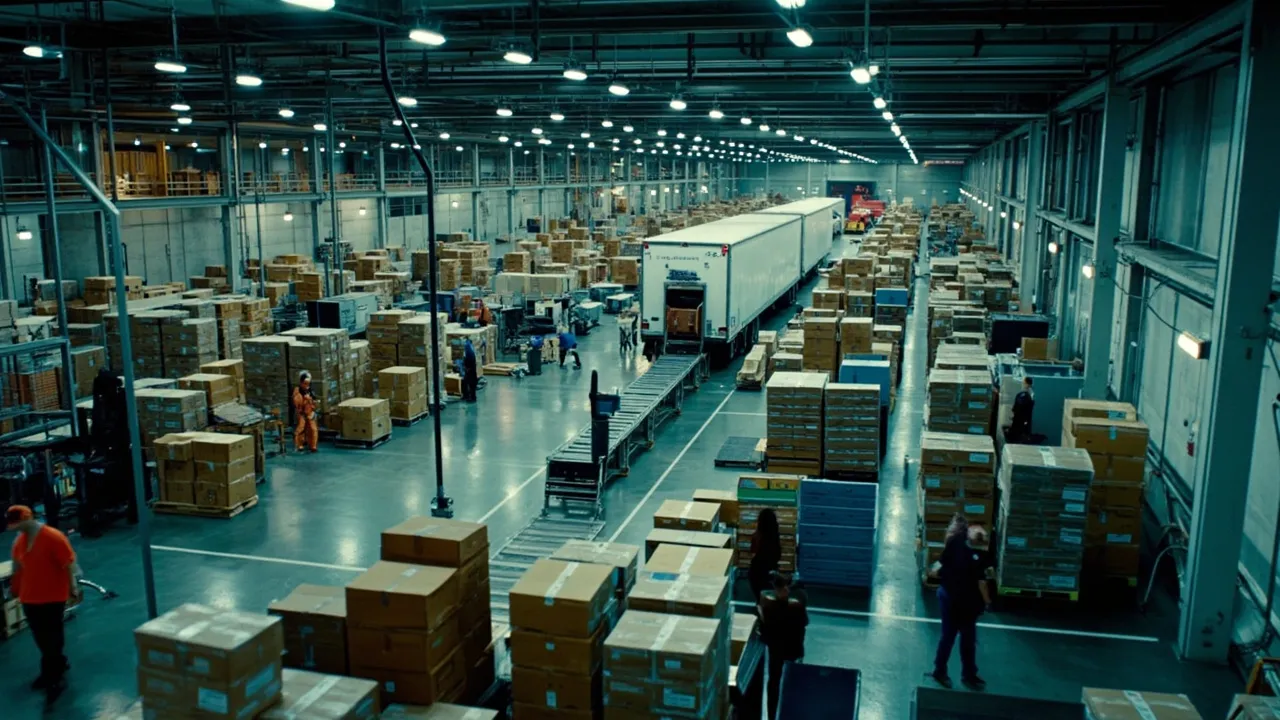
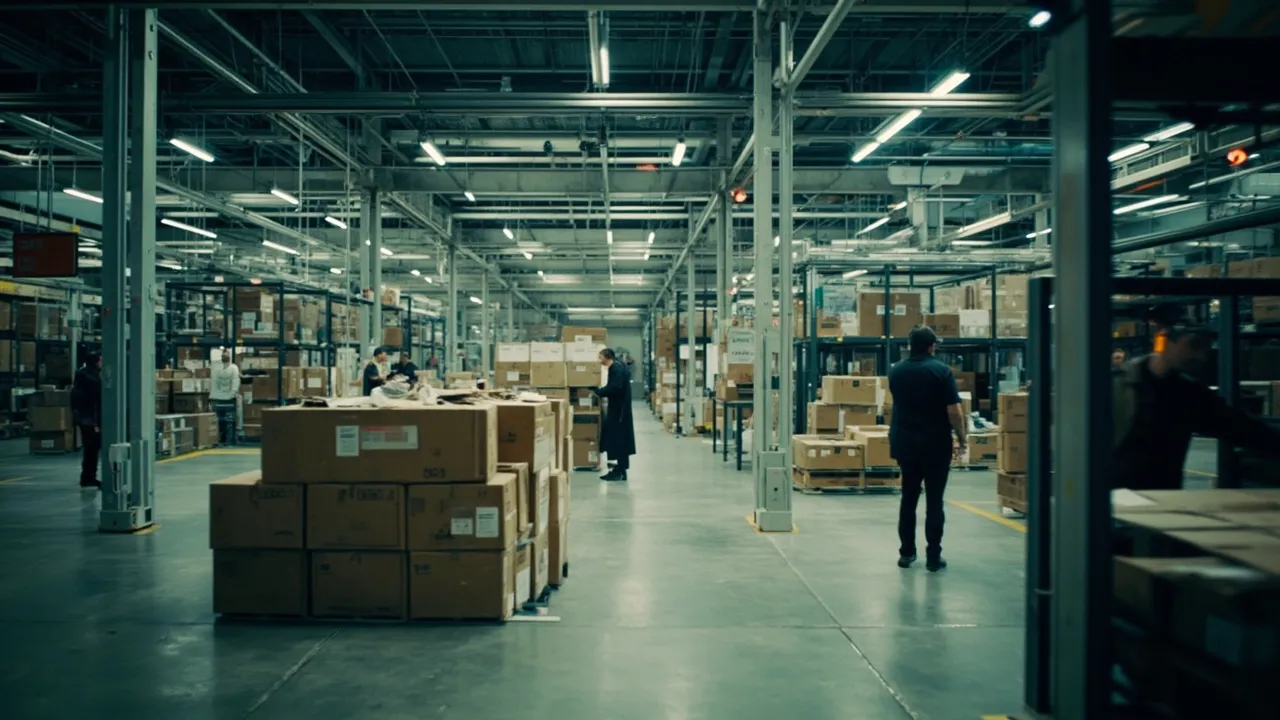
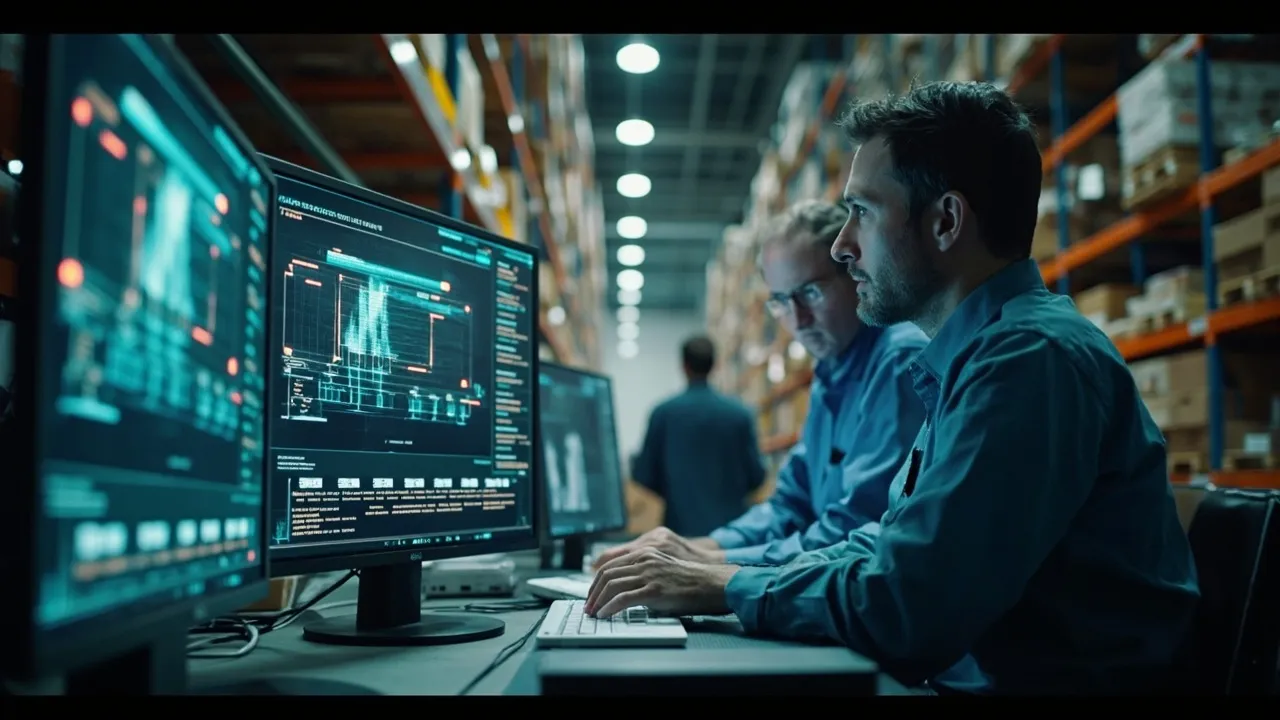
Amazon Business’s Palletized Delivery Trucks Bring B2B Fulfillment to the Loading Dock

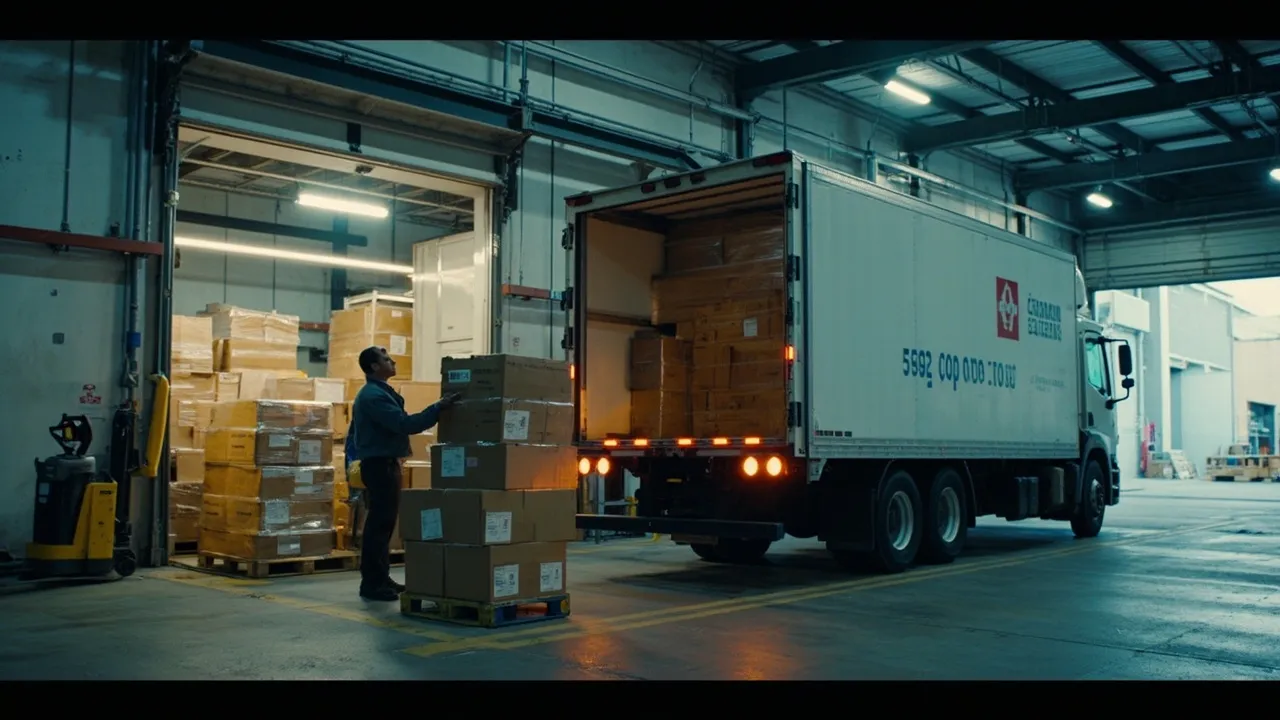
The loading dock is not a front porch with a bigger door. Business deliveries must arrive against receiving hours, appointment rules, purchase orders, pallet specifications, and labor plans. A shipment can be physically on time and still fail operationally if the receiver cannot identify it, unload it, or reconcile it.
Amazon Business is addressing that difference with dedicated, branded delivery trucks designed for organizations that need consolidated drop-offs and palletized delivery. According to Supply Chain Dive, the service is rolling out in 13 states. That footprint makes the initiative more than a limited experiment: it is a meaningful test of how consumer-grade fulfillment speed can be translated into a business receiving workflow.
The important innovation is not the truck’s branding. It is the decision to organize fulfillment around the receiving location rather than around individual parcel-ready orders.
Consolidation changes the unit of delivery
Consumer parcel networks optimize millions of small packages for rapid sortation and doorstep delivery. A business location has a different objective. It may place many orders across departments but want one predictable arrival, one dock interaction, and one set of receiving records.
A dedicated-truck model can consolidate those orders into fewer drops and, where appropriate, palletize the freight. That potentially reduces repeated gate entries, scattered cartons, receiving interruptions, and the number of proofs of delivery a team must reconcile. It can also improve cube utilization compared with dispatching each order independently through a parcel network.
But consolidation creates its own planning requirements. The shipper must decide which orders can wait for the same route, which require immediate release, and which products cannot share a pallet because of weight, dimensions, fragility, handling, or hazardous-material restrictions. An efficient pallet that causes damage or delays a critical item is not efficient at all.
The right consolidation engine therefore needs rules for:
- delivery date and service commitment;
- receiving location, entrance, and dock compatibility;
- purchase order, department, project, or cost-center association;
- pallet height, weight, stackability, and item compatibility;
- appointment availability and receiver capacity; and
- exceptions that justify splitting an order from the consolidated load.
Those rules turn “put several orders on one truck” into a repeatable B2B transportation process.
A dock delivery has more dependencies than a doorstep stop
At a residence, a driver can often leave a parcel at an approved location and capture a scan or photo. At a commercial site, the delivery may require a security check, assigned door, appointment number, pallet jack, liftgate, count verification, receiver signature, or exception notation.
Arrival timing matters because docks are shared resources. A truck that reaches the property during the promised window may still queue behind inbound suppliers. Conversely, a receiver that reserved labor and a door can lose productive time when a vehicle arrives late or without usable shipment details. As Logistics Management notes, every minute a truck waits at a dock adds costs through detention, missed appointments, lower carrier satisfaction, and higher transportation expense.
Palletized delivery also changes proof of delivery. A package-level “delivered” scan does not tell the receiving team whether the expected pallet arrived intact, whether every purchase order was represented, or whether visible damage was recorded before the driver departed. The delivery record should capture arrival and departure times, door assignment, pallet and carton counts, receiver identity, photos when needed, and reason-coded shortages or damage.
The TMS must connect orders to the physical handoff
The largest operational risk is fragmented data. Procurement knows the purchase orders. Fulfillment knows the cartons. Transportation knows the route and stop. The warehouse knows the appointment. Receiving knows what physically crossed the dock. If those records are not connected, consolidation can hide mistakes instead of eliminating them.
A transportation management system should provide a common shipment record linking each purchase order to its cartons, pallet identifiers, vehicle, planned stop, appointment, and final proof of delivery. That relationship lets teams answer practical questions before they become exceptions:
- Are all orders for today’s consolidated delivery actually ready?
- Does the destination have a dock, or does the vehicle need a liftgate?
- Has the receiver accepted the appointment and received the manifest?
- Which pallet contains a time-critical line item?
- Did a shortage occur at fulfillment, in transit, or during receiving?
Visibility also needs to reach the receiver. A generic “out for delivery” alert is not enough for a facility scheduling doors and labor. Useful notifications include the planned delivery window, appointment confirmation, revised ETA, pallet count, equipment needs, and a digital manifest organized by purchase order or department.
Measure receiving outcomes, not just route efficiency
Dedicated delivery trucks can improve drop density and create a more controlled customer experience, but the scorecard should extend beyond miles and stops per route. B2B programs should track orders per consolidated stop, pallets per delivery, appointment compliance, dwell time, first-attempt acceptance, damage and shortage rates, delivery-document completeness, and cost per fulfilled order.
Those measures reveal whether consolidation benefits both sides of the dock. A route can appear efficient while pushing sorting work, uncertainty, or labor cost onto the customer. The stronger model reduces total handling and makes the delivery easier to plan, receive, and audit.
Amazon Business’s 13-state rollout signals that B2B fulfillment is moving toward a distinct operating model—one built around consolidated demand and the realities of commercial receiving. For shippers, carriers, and buyers, the lesson is straightforward: the physical pallet, digital order, appointment, and proof of delivery must move as one coordinated record.
Ready to coordinate orders, shipments, appointments, and delivery exceptions in one workflow? Request a CXTMS demo and see how connected transportation visibility can make every dock handoff more predictable.