Alabama’s $100M Inland Port: Qualify the Mobile–Montgomery Rail Shuttle Before Committing Volume

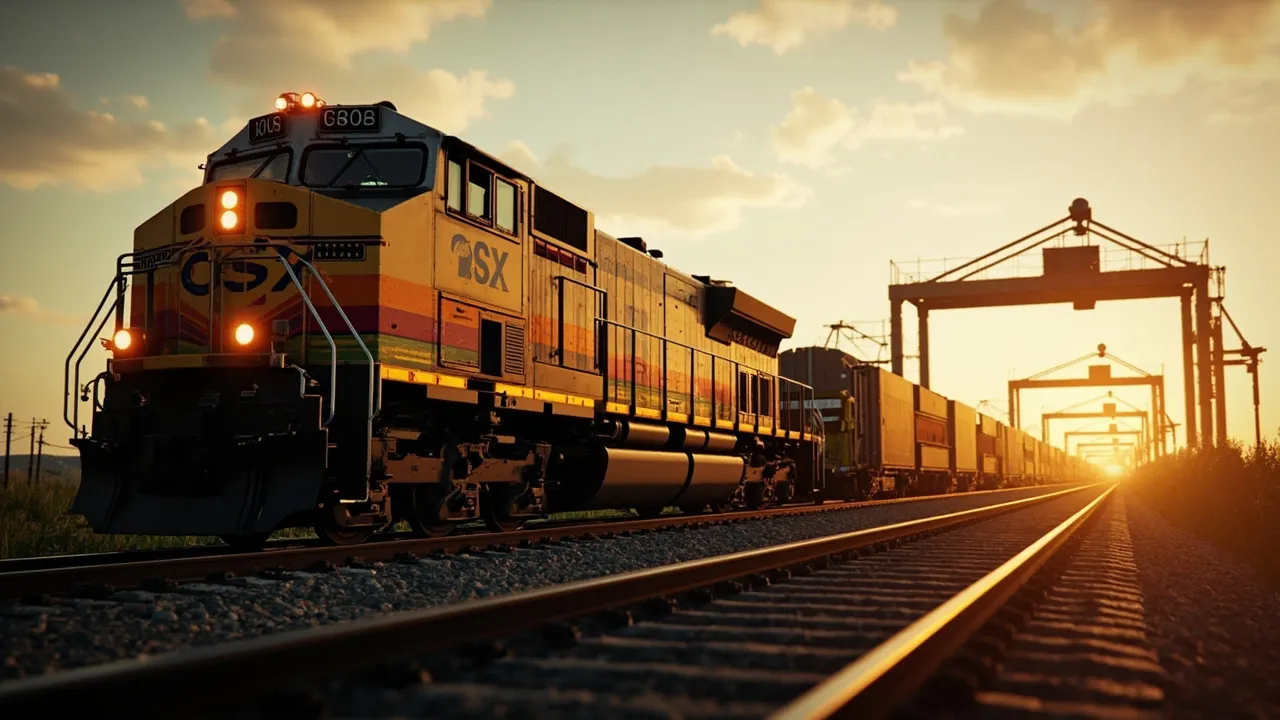
Alabama’s new inland port creates an appealing proposition: move international containers between Mobile and Montgomery by rail, then shorten the truck leg to central Alabama plants and distribution centers. But a new terminal does not automatically make every shipment cheaper or more reliable.
The right question is not, “Is rail cheaper than drayage?” It is, “For which lanes, shipment profiles, and service conditions does this shuttle produce a lower total landed cost without weakening delivery performance?” Shippers should answer that with a controlled qualification process before shifting committed volume.
Start With the Facility’s Real Operating Profile
The $100 million Montgomery Intermodal Container Transfer Facility is expected to handle 60,000 twenty-foot equivalent units annually, according to FreightWaves. The facility will connect central Alabama with the Port of Mobile through CSX rail service, giving regional importers and exporters an alternative to moving every container the full distance by truck.
Those headline numbers establish scale, but not fit. At 60,000 TEUs per year, average throughput would be roughly 1,150 TEUs per week if volume were evenly distributed. Actual flows will be uneven by vessel arrival, season, customer, and direction. The operating questions are therefore more important than nominal capacity: How many departures will run each week? What is the cutoff before each train? When does free time begin? How are missed connections recovered? And is equipment available when demand peaks?
Terminal design also matters at ground level. A rail shuttle can remove highway miles while still adding cost through lifts, storage, chassis rental, appointment delays, or a second empty move. Every commercial comparison should include those touches.
Model the Whole Container Cycle
Compare the direct-truck and rail options shipment by shipment. For direct drayage, include the port pickup, linehaul to the consignee, driver waiting time, chassis use, fuel surcharge, empty return, and any detention or demurrage exposure.
For the inland-port route, include the Mobile terminal move, rail rate, lifts at both ends, Montgomery drayage, chassis splits, storage, empty repositioning, and administrative fees. Then price the inventory effect of any additional transit variability. A $150 transportation saving disappears quickly if a late container stops a production line or forces an expedited replacement.
Four variables will usually decide the result:
- Density: Regular volume on the same origin-destination pattern supports train utilization, predictable dray capacity, and stronger commercial terms.
- Dwell: Time waiting at Mobile or Montgomery can consume both the cost advantage and the consignee’s available free time.
- Cutoff fit: A sailing that misses the rail cutoff may sit until the next departure. The timetable must align with actual vessel discharge patterns, not an ideal weekly average.
- Empty economics: An import container must be returned, reused, or repositioned. The preferred route can change when empty mileage and equipment rules are included.
Chassis cannot be treated as a footnote. FreightWaves reports that average chassis dwell is often six to seven days, with pandemic-era dwell rising by two to four times depending on the market. The same chassis-market analysis explains why slower turns reduce effective equipment supply. A terminal may have rail capacity and still underperform if boxes cannot leave the ramp.
Use a Lane-Qualification Scorecard
Begin with lanes that have repeatable volume, flexible delivery windows, and facilities close to Montgomery. Score each candidate from one to five across weekly container count, demand stability, distance from the inland terminal, commodity urgency, appointment flexibility, balanced import-export potential, chassis availability, and fallback trucking capacity.
Require explicit thresholds before committing. A practical pilot might need at least two or three containers per departure window, a delivery tolerance of one business day, a named chassis source, and a prepriced recovery move. The exact thresholds will vary, but they should be approved before the first box moves.
Service frequency is crucial. A train operating several times per week offers more recovery options than a weekly shuttle, even if its linehaul rate is higher. Ask CSX, the terminal operator, dray carriers, and ocean carriers to document:
- published cutoffs and typical gate-to-train dwell;
- scheduled and actually operated departures;
- container availability notification timing;
- chassis pool size, ownership rules, and roadability process;
- weekend and holiday gate hours;
- process and price for a missed train or grounded box;
- empty return locations and allowable interchange points.
This is where visibility becomes operational. A status message saying “at inland terminal” is insufficient. Planners need timestamps for discharge, rail billing, ingate, train departure, arrival, grounding, availability, appointment, outgate, delivery, and empty return.
Treat the First 90 Days as a Controlled Pilot
Do not route all eligible freight through Montgomery on day one. Select a representative group of low-to-moderate-risk shipments and retain direct drayage as the control lane. Compare both options over the same period.
During the first 30 days, validate event capture and operating handoffs. Measure whether every milestone arrives on time and whether the parties agree on which clock controls free time. In days 31–60, test normal variability: late vessel discharge, a missed cutoff, an unavailable chassis, a rejected appointment, and an empty-return change. Recovery procedures should work before peak volume arrives.
In days 61–90, assess commercial performance. Track total door-to-door cost per container, gate and rail dwell, on-time delivery, missed departures, chassis wait, storage and accessorials, empty-return cycle time, and manual touches per shipment. Report medians and the 90th percentile; averages alone can hide the failures that create expedites.
The pilot should also define stop conditions. For example, pause new rail bookings if 90th-percentile transit exceeds direct drayage by more than an agreed margin, chassis-related failures cross a threshold, or two consecutive departures are missed. FreightWaves’ recent reporting on intermodal operations emphasizes that well-run terminals produce faster gates, lower driver dwell, smoother connections, and quicker recovery, while poor terminal execution can undermine the wider rail network. That is exactly what the pilot must verify.
Commit Volume Only After the Evidence Holds
The Montgomery inland port could reduce long drays, expand transportation capacity, and give central Alabama shippers a more resilient connection to Mobile. Its value, however, will be lane-specific and execution-dependent. Volume commitments should follow demonstrated performance—not precede it.
CXTMS can help teams compare direct and intermodal routings, capture milestone performance, allocate accessorials, and manage exceptions in one workflow. Request a CXTMS demo to build a data-driven qualification process for your inland-port lanes.