AI Demand Pushes Air Cargo Rates Up 30%: Qualify Capacity by Mission, Not Market Average

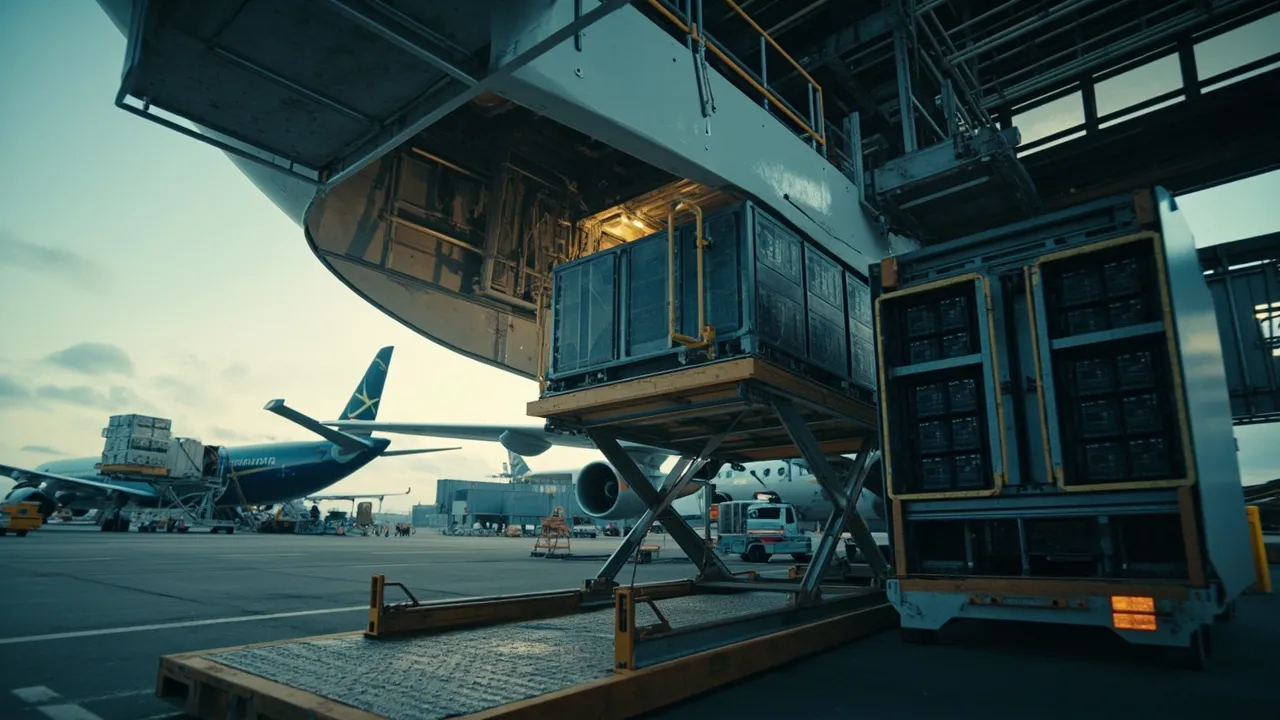
Artificial intelligence infrastructure is changing the air cargo market in a way that broad demand forecasts can miss. Servers, semiconductors, networking equipment, and specialized cooling systems are valuable, time-sensitive, and concentrated on particular production-to-data-center lanes. Their impact on capacity can therefore be much larger than their physical share of global freight.
The latest figures make that imbalance clear. FreightWaves reports that air cargo rates increased 30% year over year while volumes grew about 6%, with AI equipment demand offsetting slower e-commerce flows. In a separate analysis, FreightWaves cited an estimate that AI-related goods represented 53.5% of the value transported by air in the first half of the year but only 7% of volume. High-value cargo is not filling every aircraft equally; it is bidding aggressively for the flights, origins, destinations, and handling capabilities that support AI deployment schedules.
For logistics teams, the wrong response is to apply a 30% rate assumption to every shipment. The better response is to qualify capacity by mission: what the cargo is, what milestone it supports, how much delay it can absorb, and what failure would cost.
Separate the cargo before buying capacity
An AI infrastructure program contains several freight profiles that should not share one booking rule.
- Semiconductors and accelerators combine extremely high value density with theft sensitivity, export controls, and strict chain-of-custody needs. A missed connection can stop server assembly or delay commissioning.
- Finished servers and networking equipment are bulky, high value, shock sensitive, and often serialized. They may require secure handling, controlled transfers, and delivery appointments coordinated with site readiness.
- Cooling and power equipment can include heavy racks, liquid-cooling components, pumps, switchgear, and battery systems. Some pieces are air-eligible but uneconomic to fly unless they sit on the critical path.
- Routine consumables and supporting materials may be associated with the same project but tolerate deferred air, expedited ocean, or conventional ocean service.
This segmentation matters because demand is not merely theoretical. Supply Chain Dive reported that AI hardware and semiconductor demand helped lift global air cargo demand 7% year over year in June. Capacity grew more slowly on important lanes, increasing the premium for reliable uplift. Meanwhile, Reuters reported that chipmaking-equipment sales were forecast to rise 9% to $126 billion in 2026, reinforcing the production pipeline behind high-value technology freight.
Compare options using landed-risk cost
The lowest quoted rate is a weak basis for a capacity decision. Buyers should compare allotment, spot, charter, and multimodal options using landed-risk cost: transportation spend plus the expected financial impact of delay, damage, loss, and schedule disruption.
An allotment provides recurring space and more predictable uplift, but the shipper may pay for unused commitments or accept inflexible cutoffs. Spot capacity preserves flexibility, yet exposes critical cargo to volatile pricing and rejected bookings. A charter offers schedule and loading control for a major deployment, though the economics require sufficient volume and careful contingency planning. Multimodal service can reserve air transport for the critical leg while moving less urgent or heavier equipment by ocean, rail, or truck.
For each shipment mission, calculate the cost of one, three, and seven days of delay. Include idle installation crews, missed contractual milestones, production downtime, expedited replacement freight, and lost compute availability. If a $40,000 air premium protects a commissioning date worth hundreds of thousands of dollars, it may be rational. If the same premium moves noncritical cable trays or spare enclosures, it is probably waste.
The comparison should also account for execution probability. A low spot quote with uncertain uplift is not equivalent to a confirmed allotment. Score each option on confirmed capacity, schedule frequency, transfer count, recovery alternatives, security, handling compatibility, and historical performance for the specific lane.
Tie booking triggers to production milestones
Generic peak-season calendars are too blunt for AI projects. Demand can surge when chips clear final testing, servers complete integration, a data hall receives power, or a cooling system passes site acceptance. Those events may not align with traditional retail peaks.
Build triggers around the project plan instead. For example, reserve allotment capacity when component availability reaches a defined confidence level; request charter scenarios when a deployment wave exceeds an agreed weight or delay exposure; and release routine equipment to ocean when float remains above a specified threshold. Escalate when the planned ship date moves inside the minimum lead time for qualified capacity.
A practical control table should capture:
- Production milestone, required-on-site date, and current schedule confidence
- Cargo class, dimensions, weight, value, and handling requirements
- Approved routing options and their latest booking cutoffs
- Delay cost by day and the threshold for premium service
- Named owner for escalation, approval, and exception resolution
This approach prevents two common failures: purchasing expensive air capacity before production is credible, and waiting until finished equipment is on the dock before seeking space.
Protect the plan with tiered capacity
Rather than choose one procurement method, create a capacity ladder. Anchor predictable baseline flows with allotments. Use qualified spot providers for variable weekly demand. Pre-negotiate charter terms and operating requirements for large deployment waves. Maintain a multimodal option for cargo with sufficient schedule float.
Set explicit thresholds for moving between tiers. A shipment might move from ocean to air when remaining project float falls below ten days, from spot to allotment when rejection risk exceeds a defined limit, or from scheduled service to charter when multiple site-critical loads must arrive together. Thresholds should be based on documented business exposure, not executive urgency alone.
Finally, measure outcomes at lane and mission level. Track booked-versus-flown performance, rate per kilogram, rejection frequency, delay hours, damage, exception recovery time, and avoided milestone costs. A market average can explain the environment, but it cannot decide whether a specific GPU rack should fly.
AI demand is making selected airfreight capacity more valuable and more volatile. Shippers that classify each load, quantify delay exposure, and connect bookings to production milestones can pay premiums where they protect the project—and avoid them where they do not.
Ready to manage high-value air cargo capacity with clearer rules and faster exception handling? Request a CXTMS demo to see how shipment planning, carrier management, and milestone visibility can support your operation.