Cold-Chain Cyberattacks Can Spoil Inventory Without Stopping the WMS


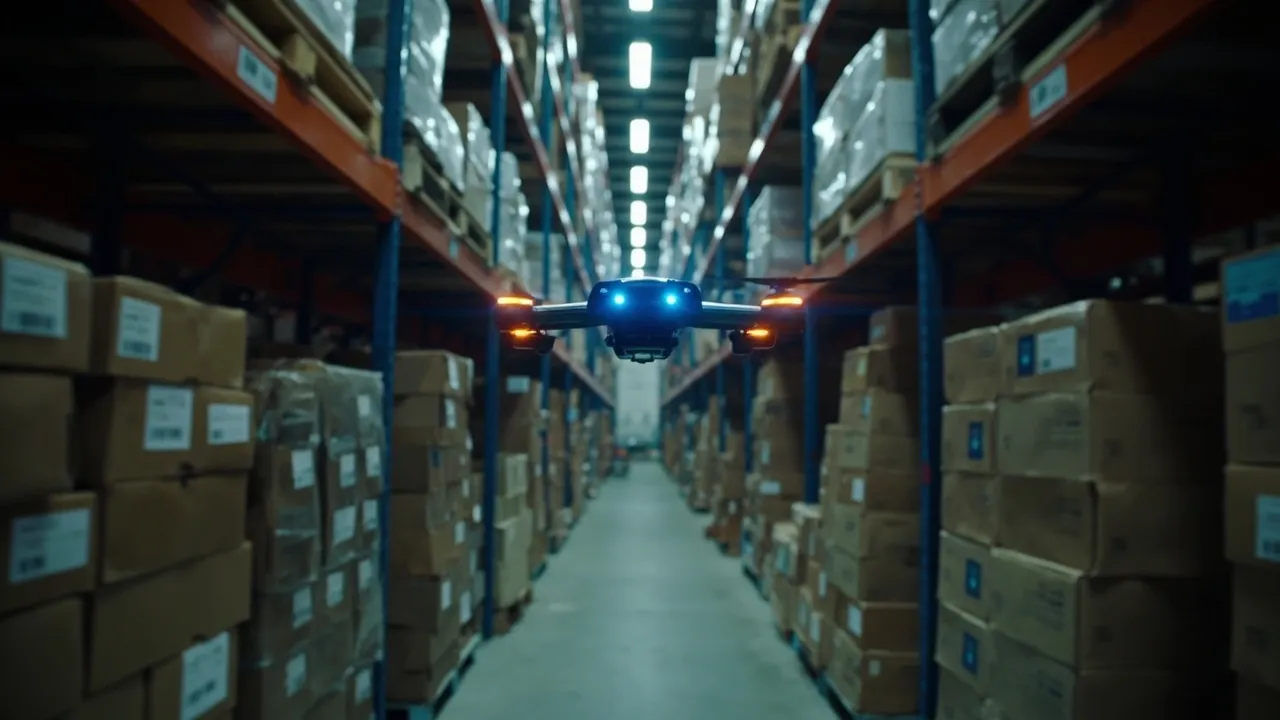
A warehouse management system can remain online, orders can continue dropping, and pick tasks can still look normal while refrigerated inventory quietly becomes unsellable. That is the defining danger of a cyberattack against cold-chain controls: the incident crosses from information technology into product temperature, shelf life, food safety, and customer service before conventional uptime dashboards show a crisis.
This is no longer a theoretical scenario. Inbound Logistics reported that attackers reached internet-connected refrigeration controllers in Europe, including older equipment with outdated firmware and, in some cases, default passwords. The attackers remotely forced units into overnight heating cycles. A functioning WMS cannot protect inventory when the physical environment it assumes is trustworthy has been manipulated.
Treat refrigeration controls as inventory systems
Cold-chain cybersecurity is often framed as a facilities or engineering concern. Operationally, however, a controller setpoint is part of the inventory record. It influences whether a pallet is usable, how much shelf life remains, whether a lot needs inspection, and whether a shipment can legally depart.
The physical consequences can be extreme. SupplyChainBrain described a store in southern Sweden where compromised refrigerators and freezers were reportedly set to 50 degrees Celsius, or 122 degrees Fahrenheit. That is not merely a device outage. It is an inventory event with a rapidly expanding financial, regulatory, and customer impact.
The broader threat environment reinforces the need for operational preparation. Food Logistics reported that ransomware attackers extorted at least $449.1 million in the first half of 2023 alone, citing the U.S. Department of Homeland Security. Cold-chain operators must therefore plan for malicious manipulation as seriously as compressor failure, a power interruption, or a door left open.
Build one incident timeline
When a temperature excursion begins, separate system logs create separate stories. The building-management platform records a setpoint change. Sensors show product-zone temperatures rising. Access control shows who entered the equipment room. The WMS records receiving, putaway, picks, and lot movements. The TMS may already have tendered outbound loads.
Those records need to become one timeline, tied to a common clock. At minimum, the incident team should capture:
- Controller commands, account activity, firmware events, setpoint changes, defrost cycles, and alarm acknowledgements.
- Independent temperature and humidity readings, including sensor location, calibration status, and collection gaps.
- Badge access, remote-support sessions, maintenance activity, camera references, and door-open events.
- WMS lot numbers, pallet locations, receipt times, picks, replenishments, and inventory adjustments.
- Orders, trailers, shipment holds, departure times, carrier handoffs, and customer destinations.
This correlation defines the exposure window. If the first suspicious controller command occurred at 01:12 and an independent sensor crossed a product limit at 01:47, teams can identify every lot present or moving through the affected zone. Without that connection, the organization faces two bad choices: release questionable product or quarantine far more inventory than necessary.
Make shipment holds automatic and precise
An alarm should do more than send an email. High-confidence refrigeration anomalies should trigger a controlled hold on inventory in the affected zone and stop allocation to outbound orders. The hold needs to follow the lot if it has already moved to staging, a trailer, another facility, or a customer location.
Precision matters. A building-wide hold may be appropriate initially, but the team should narrow it using zone boundaries, validated sensors, lot dwell times, product limits, and movement history. Every release or disposal decision should retain the evidence used, the approver, and the timestamp.
CXTMS can support the transportation side by associating shipment status, route, carrier, equipment, and customer destination with the incident. That lets operators stop an at-risk load before departure, intercept it in transit, or identify downstream recipients without relying on phone calls and spreadsheets.
Define manual operating limits before the attack
Disconnecting a compromised controller does not answer how long a room can operate safely. Each site needs a written manual mode that specifies who may change settings, how temperatures will be observed, how often readings must be recorded, and what conditions require evacuation or product transfer.
The runbook should establish product-specific quarantine thresholds rather than a single generic temperature. Frozen foods, fresh produce, biologics, and chemicals have different limits and different evidence requirements. It should also name the authority allowed to release inventory. Cybersecurity can confirm containment, and engineering can confirm equipment operation, but quality or food-safety leadership should decide product disposition.
Evidence preservation belongs in the same runbook. Teams should export logs before controllers are reset, record device and firmware identifiers, preserve sensor histories, document temporary wiring or configuration changes, and maintain chain of custody. A hurried factory reset may restore cooling while destroying the information needed to define affected inventory or establish the attack path.
Test recovery in inventory terms
“Systems restored” is not a sufficient recovery measure. The better questions are operational:
- How many lots were exposed, and for how long?
- How much shelf life was lost?
- What quantity is quarantined, released, downgraded, or destroyed?
- Which orders and customers are affected?
- Can independent sensors confirm stable conditions across the room?
- Are controller credentials, remote access, and configurations now trusted?
A safe restart should require agreement among operations, engineering, cybersecurity, quality, and food-safety owners. Cooling must be stable for a defined observation period; alarms and independent sensors must agree; compromised credentials must be removed; and inventory status must be reconciled before allocation resumes.
Exercises should measure time to detect manipulation, time to place the correct lots and shipments on hold, time to assemble evidence, and time to determine releasable inventory. Those metrics reveal whether the organization can protect product—not merely whether it can reboot equipment.
Cold-chain resilience ultimately depends on joining the digital and physical records of an incident. When control alarms, sensor evidence, lots, orders, and shipments share one operating picture, teams can contain exposure faster and restart with confidence.
Ready to connect shipment execution with faster, evidence-based exception response? Request a CXTMS demo to see how centralized transportation visibility helps teams act before an inventory incident becomes a customer crisis.