Cost Is Now a Supply Chain Design Input: Put Outcome Tradeoffs Into the Network Model

Supply chain cost used to arrive late in the design process. A team selected a facility, service promise, sourcing pattern, or inventory policy, then asked procurement to negotiate the transportation bill. That sequence no longer works. Volatile rates, working-capital pressure, disruption exposure, and emissions targets can change the economics of a network before a contract is signed.
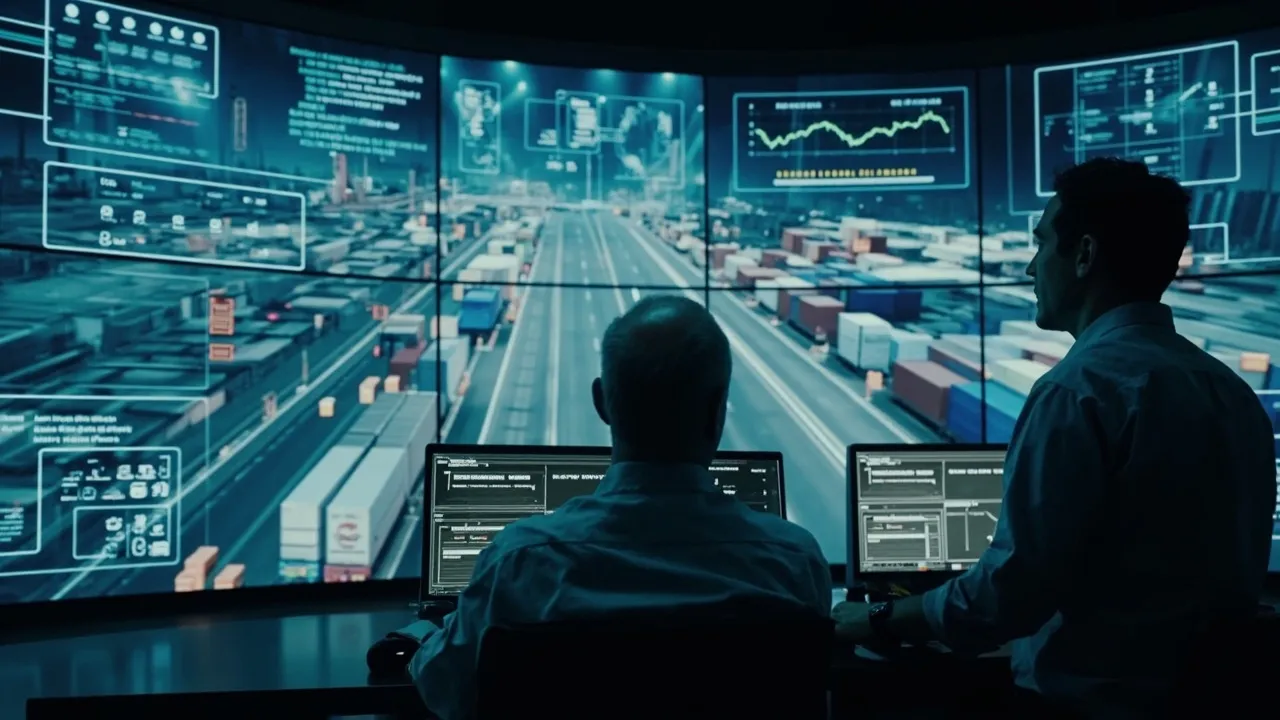
Cost must become a design input, not a post-design negotiation. The practical change is to put freight, facilities, inventory, service, resilience, emissions, and cash into the same decision model—and make the tradeoffs visible before capital is committed.
Replace the lowest-cost answer with an outcome portfolio
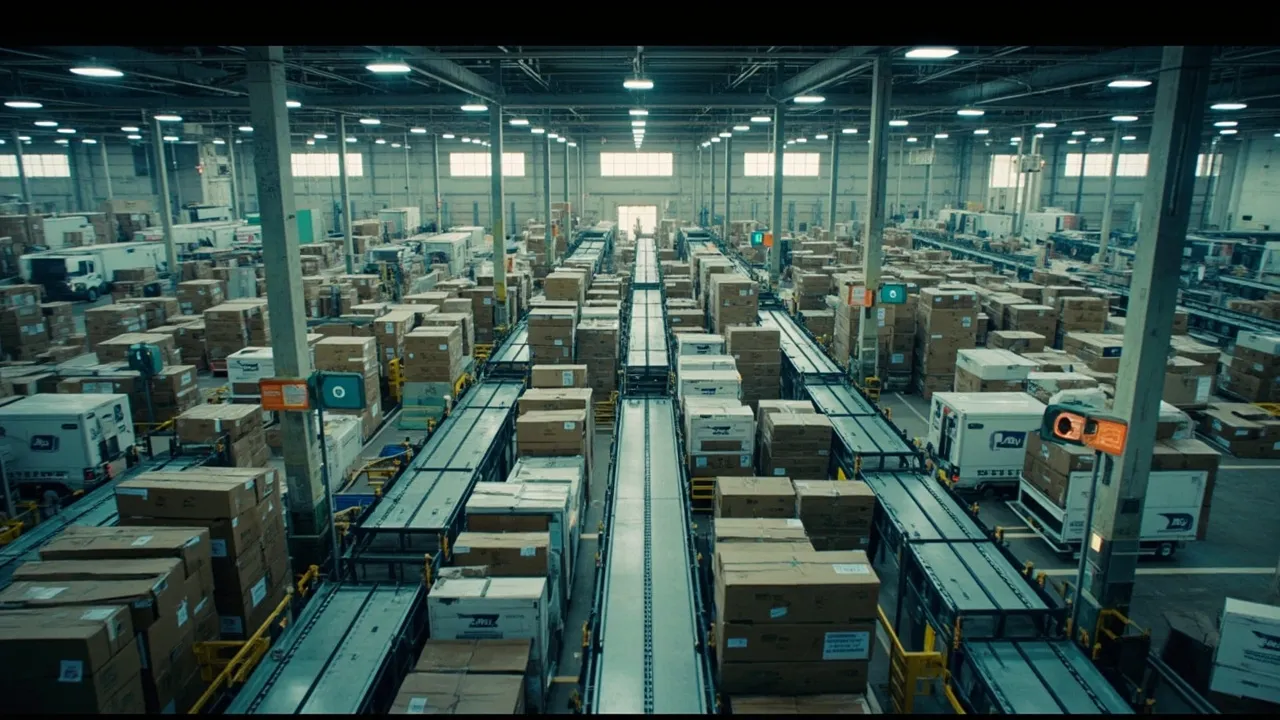
A conventional network study often minimizes a narrow cost stack: production, warehousing, and transportation. The optimizer may produce a mathematically elegant answer that creates unacceptable delivery variability, concentrates risk in one node, increases inventory, or relies on premium freight whenever demand deviates from forecast.
The better question is not, “Which network costs least?” It is, “Which network delivers the required outcomes at an acceptable total economic cost?” Each scenario should show at least six measures:
- Freight and facility expense
- Customer service and delivery reliability
- Inventory investment and working capital
- Resilience under defined disruptions
- Carbon emissions
- Revenue or margin at risk
This is not an argument for accepting higher cost by default. It is a way to see whether an apparent saving merely transfers expense elsewhere. McKinsey reports that prescriptive planning can reduce costs by 5% to 10% and CO2 emissions by 10% to 15% over the long term while improving flexibility. Cost and resilience are not always opposing goals when the model can identify better mode, capacity, and inventory combinations.
Model the cost of the promise
Service targets have a physical and financial footprint. A two-day promise may require forward inventory, extra fulfillment nodes, later cutoffs, or more air and parcel capacity. If those consequences are excluded, the model treats the promise as free.
Build service into the model as a constraint at the customer-SKU level. Include order cutoff, promised transit time, fill rate, minimum shelf life, and allowable split shipments. Then calculate the inventory, handling, and transport required to meet each segment’s promise.
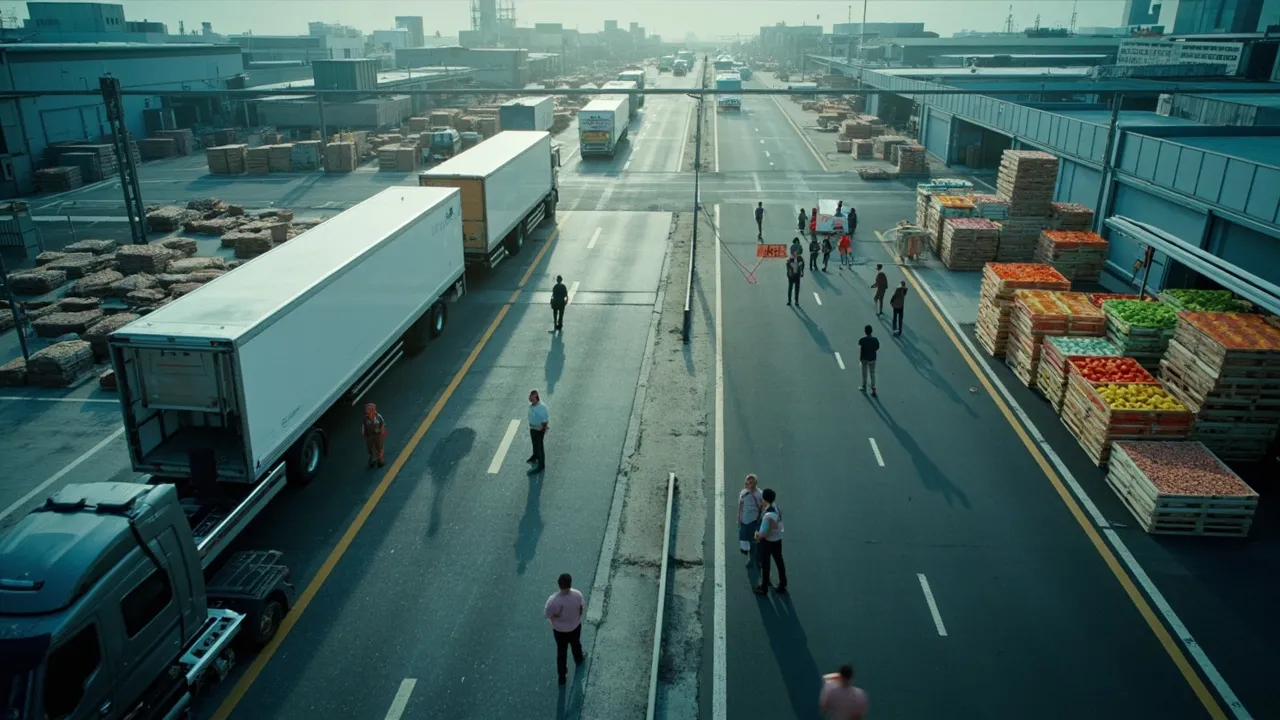
Mode choice should also be dynamic. Inbound Logistics describes how Watson-Marlow Fluid Technology Solutions uses a multimodal strategy that balances ocean and air rather than treating one mode as universally correct. A useful network model similarly tests ocean, air, truckload, LTL, rail, and parcel against lead time, variability, shipment size, and stockout exposure.
The resulting answer may preserve fast service for critical parts while moving predictable replenishment to slower, lower-cost modes. That is a designed tradeoff, not an emergency expedient.
Stop letting averages hide bad economics
Network averages are comforting and dangerous. Average cost per shipment, average margin, or average transit time can hide the exact combinations that destroy economics: a low-margin SKU shipped in small quantities to a remote customer on an expedited lane.
Model cost to serve at the intersection of SKU, customer, origin, destination, order profile, and mode. Capture pick and pack labor, packaging, accessorials, minimum charges, returns, inventory carrying cost, and the probability of expediting. SupplyChainBrain notes that network design translates business rules into a data model covering nodes, sourcing assignments, transportation modes, and inventory levels. That detail is essential because a network that works on aggregate can still subsidize thousands of unprofitable transactions.
Segmentation produces more useful actions than blanket cost cutting. The business can adjust order minimums, delivery frequency, inventory placement, service tiers, pricing, or mode rules for the specific combinations below threshold without degrading every customer’s experience.
Stress-test the design before approving it
A base-case forecast is only one possible future. Every proposal should be tested against credible shocks: a port closure, 20% demand swing, supplier outage, fuel increase, capacity constraint, or facility disruption. Measure not only the added logistics expense but also recovery time, lost sales, backlog, and working-capital impact.
Inventory deserves particular scrutiny. In a McKinsey survey, 71% of respondents expected to revise inventory policies. More stock can protect service, but placing it indiscriminately ties up cash and may create obsolescence. The model should identify where buffer inventory buys meaningful risk reduction and where alternate sourcing, capacity reservations, or mode flexibility performs better.
Use scenario ranges instead of a single forecast. If a network wins only under optimistic demand and rate assumptions, leaders should see that fragility before approval.
Set thresholds and assign assumption owners
Optimization does not remove executive judgment. It makes that judgment explicit. Before running scenarios, establish decision thresholds such as:
- No more than a defined cost increase for each point of service improvement
- Maximum revenue exposure from any single node or supplier
- Minimum delivery performance by customer tier
- Maximum inventory and cash commitment
- Emissions ceiling per shipment, order, or revenue unit
- Required recovery time for priority flows
Every major assumption also needs an owner, source, date, and sensitivity range. Finance should own carrying-cost and capital assumptions; commercial leaders should own demand and service commitments; operations should own throughput and labor constraints; procurement should own rate and supplier-capacity inputs. When conditions change, the company can update the responsible assumption instead of rebuilding the debate from scratch.
Turn network design into a recurring operating discipline
Network design should not be a presentation rebuilt every three years. Demand, rates, capacity, and customer promises change continuously. Connect actual shipment, order, tender, transit, accessorial, and carrier-performance data to a repeatable scenario process. Review material variances quarterly and rerun the model when thresholds are breached.
CXTMS gives logistics teams the operational data foundation to compare lanes, modes, carriers, costs, and service outcomes with consistent shipment-level evidence. Request a CXTMS demo to see how better transportation data can support faster, more defensible network decisions.