Parcel Shippers Are Buying Air Freight: Qualify High-Value Cargo by Mission, Not Customer Type

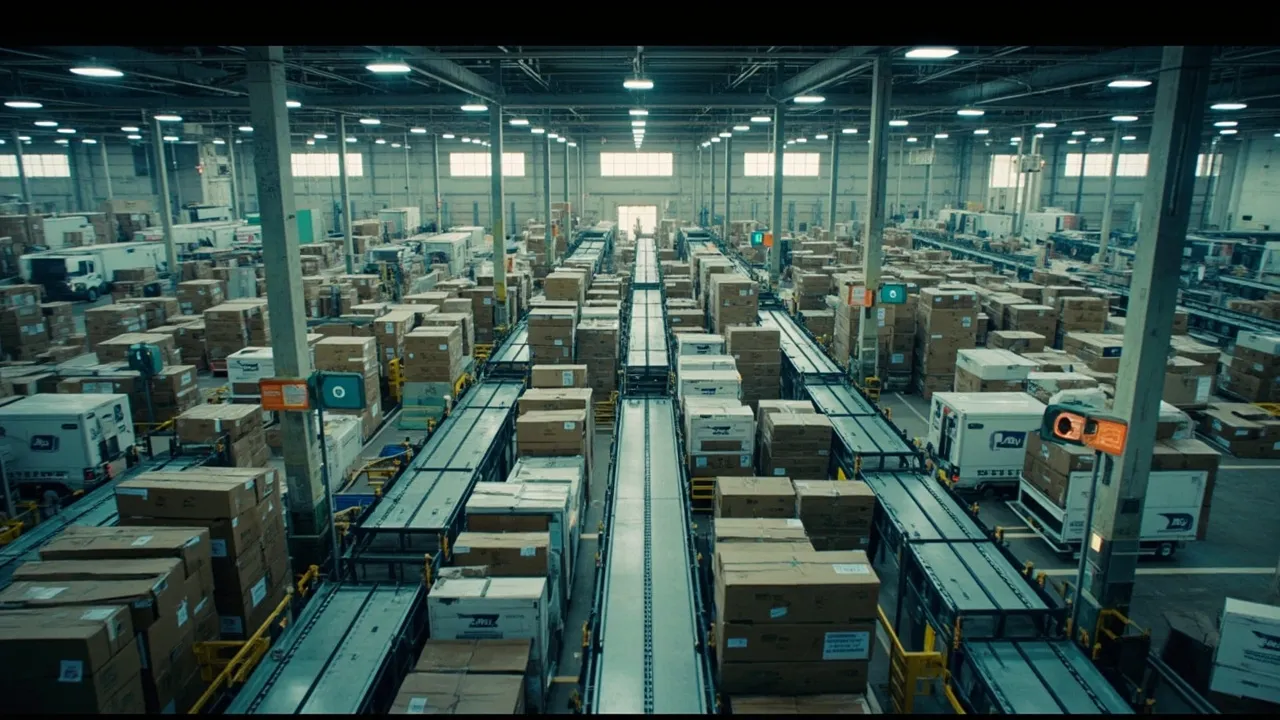
A customer known for parcel volume may still have a shipment that belongs in an air-freight workflow. That distinction is becoming commercially important as AI infrastructure, data-center equipment, automotive parts, and other high-value components move through networks historically organized around small packages.
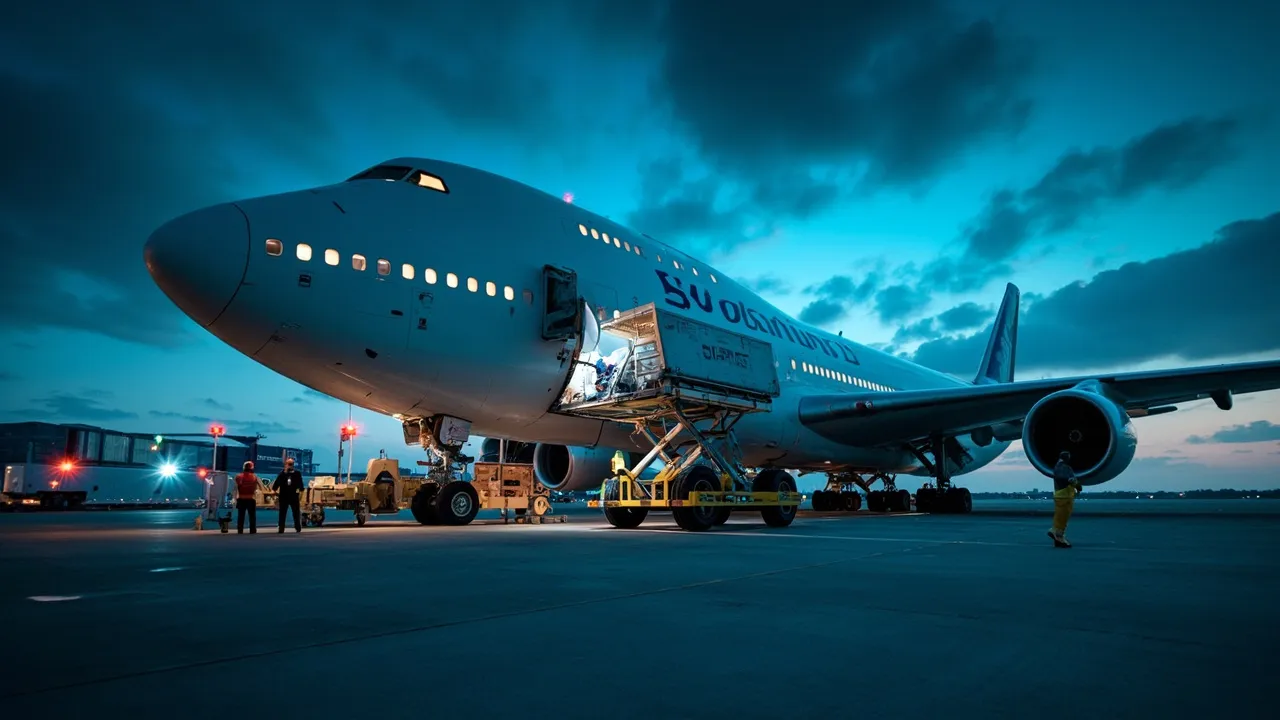
FedEx recently won air-freight business from an AI data-center customer after serving the company largely through parcel services during a relationship spanning more than 40 years. The shift is part of a larger pattern: Supply Chain Dive reported that FedEx's international freight revenue increased 28% year over year in its fiscal third quarter, while average daily international freight pounds rose 15%.
The lesson is not that every parcel customer should buy air freight. It is that account labels are a poor proxy for shipment requirements. Forwarders and logistics teams should qualify cargo by mission: what must arrive, when it must arrive, what happens if it does not, and what controls the cargo needs in transit.
Replace the customer segment with a shipment profile
The first decision should happen at the shipment level. A parcel-centric shipper may tender replacement servers one day and routine accessories the next. Applying one mode policy to both creates either unnecessary cost or unacceptable project risk.
A mission-based intake should capture five categories:
- Value: invoice value, replacement value, and the business value of keeping a project on schedule
- Physical profile: piece count, dimensions, gross weight, stackability, center of gravity, and packaging constraints
- Urgency: required delivery date, installation appointment, available float, and latest acceptable recovery date
- Security: theft sensitivity, serial-number controls, access restrictions, tracking requirements, and insurance conditions
- Handling: shock, tilt, temperature, humidity, dangerous-goods, screening, and equipment requirements
These fields should drive an explicit service recommendation. Dense server racks or specialized cooling equipment may exceed parcel limits even when the buyer normally ships thousands of cartons. A small but irreplaceable component may fit physically into a parcel network yet warrant controlled air cargo because a missed scan could delay an entire commissioning sequence.
Business-to-business traffic already accounts for 60% of FedEx revenue, according to the same Supply Chain Dive report. That figure reinforces why transportation systems need to recognize the mission inside an account rather than inherit assumptions from its historic shipping profile.
Price the schedule protection, not just the flight
Air freight usually loses a simple rate-per-kilogram comparison. It can win when the comparison includes the cost of delay.
Start with the project's required-on-site date and work backward through installation staging, final-mile delivery, import clearance, airport handling, flight time, origin handling, and pickup. The remaining time is the shipment's true buffer. Then compare the expected cost of each feasible mode:
Mode decision cost = transportation cost + expected delay cost + expected exception cost
Expected delay cost should include the probability of missing the required date multiplied by the financial consequence. Depending on the project, that consequence may include idle technicians, a missed crane appointment, liquidated damages, delayed computing capacity, emergency sourcing, or lost production. Expected exception cost should include recovery freight, storage, rehandling, security response, and administrative effort.
This model prevents two common errors. The first is paying an air premium merely because a shipment is expensive. High value alone does not create urgency. The second is selecting a slower service because its freight rate is lower while ignoring a six-figure project exposure.
Run at least three scenarios: on-time delivery, a routine delay, and a severe exception. Record the assumptions beside the quote so that commercial, operations, and customer teams can see why the premium was approved. If the schedule can absorb the slower scenario, save the air capacity. If it cannot, the air rate is buying measurable schedule protection.
Build custody into the operating plan
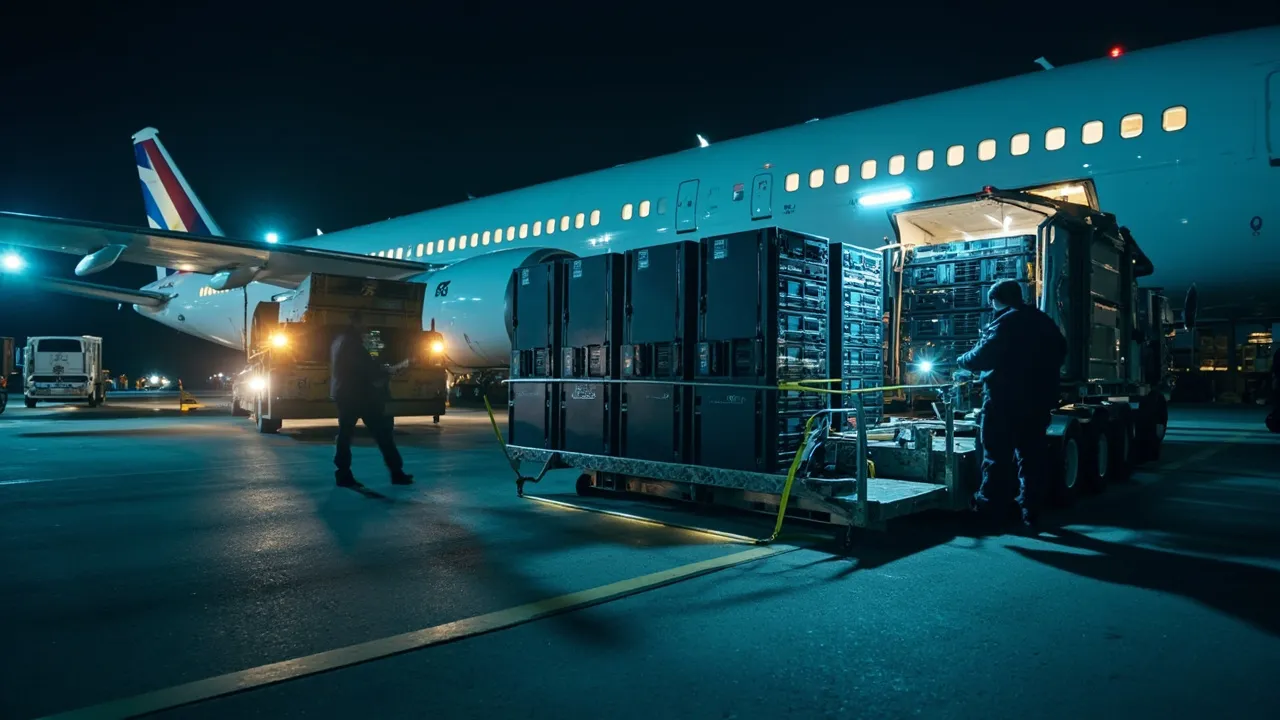
High-value technology cargo needs more than an estimated arrival time. The shipment record should define who accepts custody and what evidence closes each handoff.
At acceptance, verify dimensions and weight against the booking, inspect packaging, record seal numbers, scan serial numbers where required, and capture photographs. Confirm that labels, dangerous-goods declarations, screening status, and handling instructions match the physical freight before it enters the facility.
During transit, use a milestone plan that is more precise than “departed” and “arrived.” Useful events include:
- Pickup completed and custody acknowledged
- Origin facility received and inspection passed
- Security screening completed
- Unit load device built and position confirmed
- Flight departed and arrived
- Destination warehouse received with seal intact
- Customs released
- Final-mile vehicle loaded
- Delivery completed and named recipient verified
The 28% revenue growth and 15% increase in daily pounds reported for international freight show that this is not only a theoretical edge case. More high-value volume means more handoffs, more constrained capacity, and more opportunities for an exception to become a project failure.
Pre-authorize exception and recovery decisions
An exception plan should be agreed before the freight moves. Define temperature, shock, route-deviation, dwell, missed-flight, and communication thresholds. Each alert needs an owner, an acknowledgment target, and a deadline for choosing a recovery action.
For example, a missed connection should automatically expose the next confirmed flight, an alternate gateway, charter or onboard-courier options where appropriate, customs implications, final-mile appointment impact, and the maximum authorized recovery spend. The operations team should not lose critical hours asking who can approve a reroute.
Recovery also needs a customer-facing milestone. State when the customer will receive the first notice, the next update, the revised delivery commitment, and the root-cause record. Premium service is judged as much by exception control as by normal transit time.
Parcel history remains useful commercial context, but it should never decide the mode by itself. Qualify each movement by its physical profile, urgency, security needs, handling requirements, and schedule consequence. That turns air freight from an expensive reflex into a defensible project-control decision.
Ready to manage parcel, air-freight, custody, and recovery workflows in one operating view? Request a CXTMS demo and see how mission-based transportation planning can protect high-value shipments.