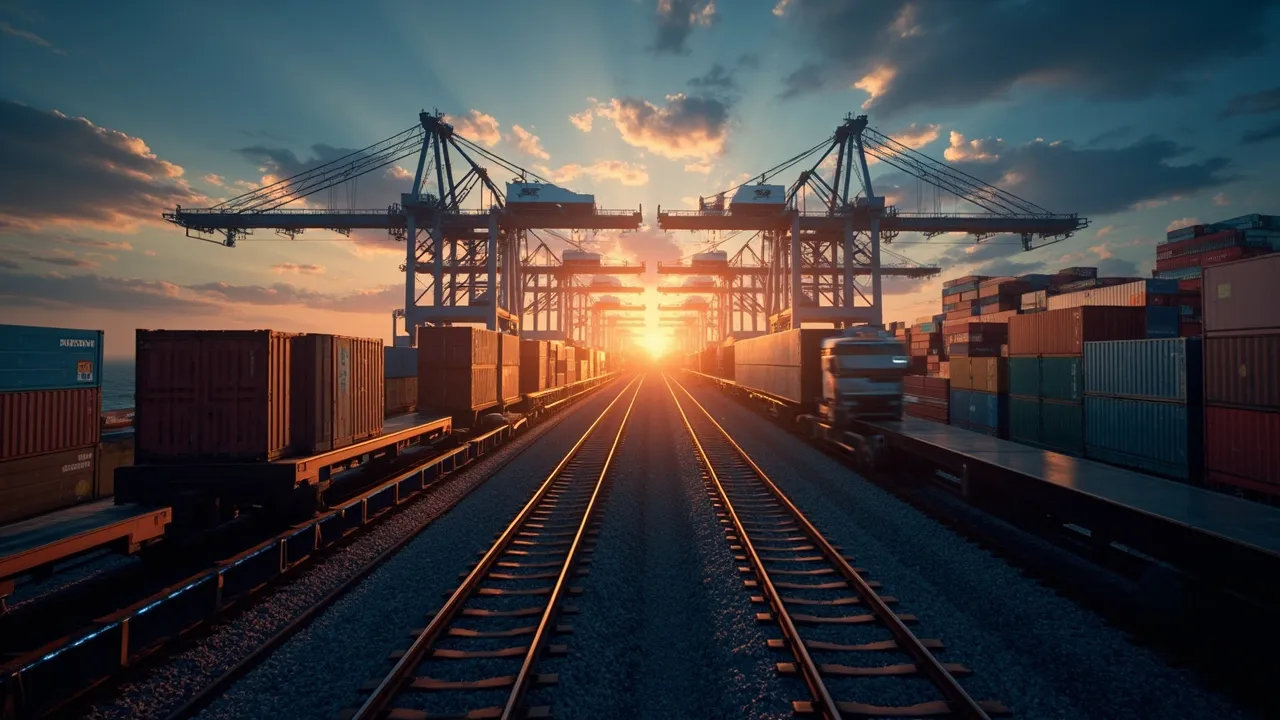
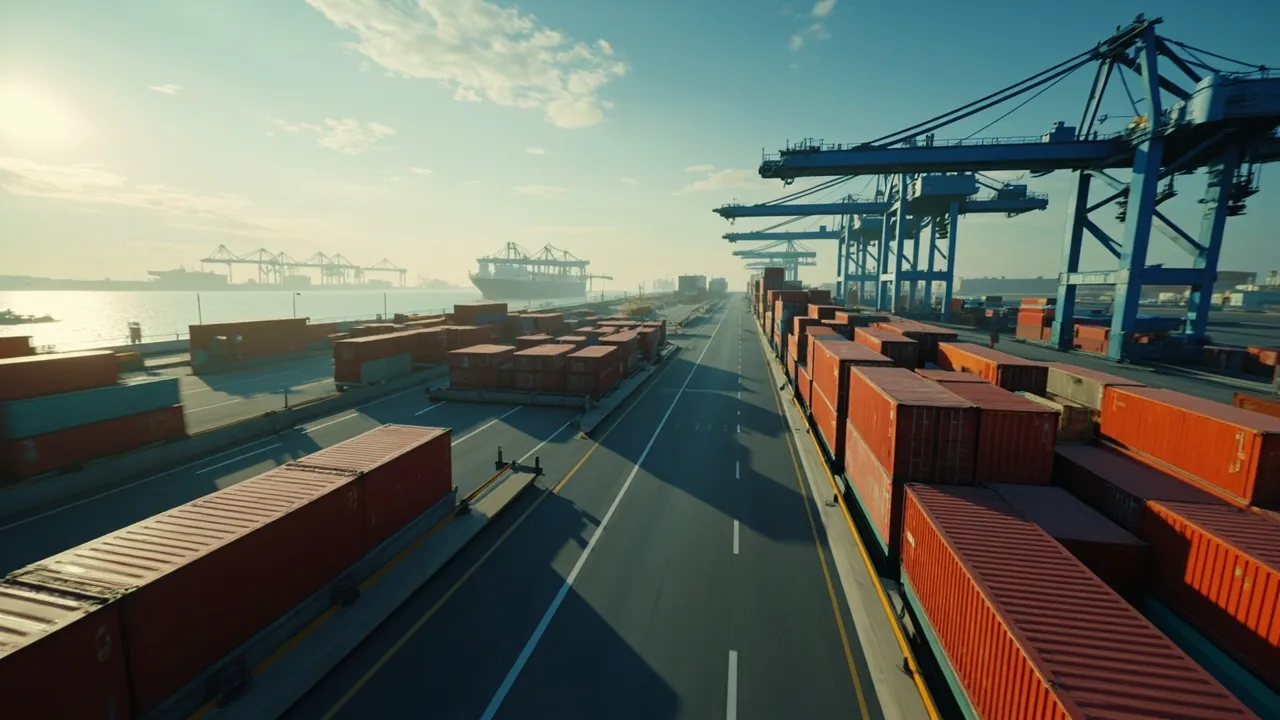
35,000 Containers Await Loading at LA–Long Beach: Manage Rail Dwell as a Recovery Queue

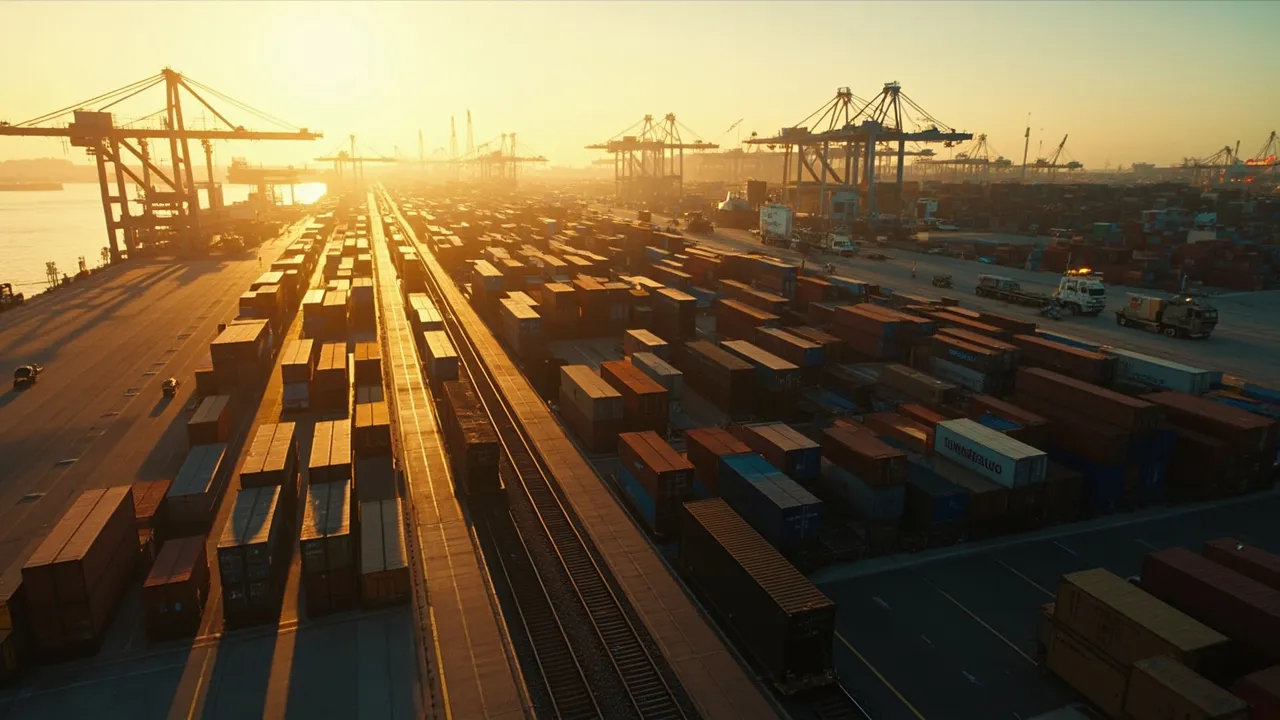
Southern California's container backlog should be managed as a recovery queue, not as one undifferentiated pile of freight.
As of October 28, the ports of Los Angeles and Long Beach had 35,000 containers waiting to be loaded, according to SupplyChainBrain. The publication also reported that roughly 13,000 boxes had been dwelling for more than nine days while awaiting on-dock rail movement. Those figures describe more than congestion. They represent thousands of customer commitments accumulating storage exposure, stockout risk, missed rail connections, and uncertain delivery dates.
The pressure is arriving while rail demand is strong. FreightWaves reported that total weekly U.S. rail traffic increased 7.8% year over year, with intermodal volume up 11.3% and carloads up 3.6%. A busy national network leaves less room to absorb a port surge through spare trains or improvised capacity.
Clearing the oldest container first may sound fair, but it is not always operationally effective. Forwarders and shippers need a shared sequence that considers readiness, consequence, and the real capacity of every downstream handoff.
Turn the backlog into actionable segments
Every container in the queue needs a minimum operating profile. Start with customer priority, terminal and rail destination, last free day or fee exposure, cargo availability, customs and documentation status, scheduled train, inland appointment, and downstream inventory impact.
Then assign each box to a recovery segment:
- Critical and ready: Freight tied to a production stoppage, stockout, contractual deadline, or protected customer commitment, with every release and document complete
- Financially exposed: Containers approaching storage, demurrage, detention, or other avoidable cost thresholds
- Connection constrained: Boxes that must make a specific train, inland terminal slot, chassis reservation, or delivery appointment
- Standard ready: Released freight with no unusual deadline that can fill remaining capacity efficiently
- Blocked: Containers held by customs, missing documents, unpaid charges, unavailable rail billing, or another unresolved condition
This classification prevents blocked cargo from consuming planners' attention or scarce load positions. It also stops a high-value but nonurgent shipment from automatically displacing lower-value components that could shut down a customer's line tomorrow.
Priority must remain dynamic. A standard container can become critical when available inventory falls below its replenishment lead time. A critical container can become blocked when its inland receiver loses an appointment. Recalculate the queue whenever a material milestone changes rather than relying on a spreadsheet ranking created the previous morning.
Build one sequence across four operating parties
A recovery plan fails when the terminal, railroad, drayage provider, and consignee each optimize a different list. The terminal may stage boxes that the railroad cannot accept. The railroad may build a train toward an inland destination with no appointment capacity. A drayage provider may dispatch against containers that are not physically available.
Create one daily recovery sequence with a common cutoff. For every proposed container, confirm:
- The terminal can locate, ground, and load the box.
- Rail billing, customs release, and carrier instructions are complete.
- The railroad has equipment and train capacity for the destination.
- The inland terminal or consignee can receive the resulting volume.
- Drayage capacity and appointments exist for the final handoff.
Publish a firm list plus a reserve list. When a box on the firm list becomes unavailable, the next compatible reserve container should take its place without requiring a new conference call. Compatibility matters: the substitute must fit the same rail destination, equipment, weight, and operating window.
This is where a transportation management system earns its place. It should connect booking and container data with release status, rail milestones, appointments, customer orders, and exception ownership. Email threads can communicate a problem; they cannot reliably maintain a 35,000-unit decision queue.
Measure flow time, not reassuring activity
Teams under congestion pressure often report how many calls were made, containers reviewed, or trains requested. Those activities matter only if they improve flow. A compact recovery dashboard should track four outcome measures.
Queue age shows the number of containers in age bands such as zero to three, four to eight, nine to 14, and more than 14 days. The oldest bands must shrink even when new arrivals keep the total queue elevated.
Release-to-load time measures the interval between a container becoming fully actionable and its confirmed rail loading. This separates operational delay from customs or documentation holds.
Missed connections counts boxes that were ready and planned but failed to make their assigned train. Each miss needs a reason code: terminal availability, rail capacity, equipment, documentation, cutoff, or planning error.
Daily backlog burn-down is ready containers loaded minus new ready containers entering the queue. If 3,000 boxes load but 3,200 become ready, the backlog grew by 200. Celebrating gross lifts alone hides that deterioration.
Set targets by segment and destination, not only at the port level. A falling aggregate can conceal a worsening queue for Chicago, Dallas, or another inland market. With weekly U.S. intermodal traffic running 11.3% above the comparable period, destination-level capacity deserves particular attention.
Protect recovery from the next disruption
Once the backlog begins to fall, preserve the operating discipline. Keep documented priority rules, reserve lists, exception reason codes, and destination capacity forecasts active until dwell returns to a stable range. Conduct a short review of every container that crossed the nine-day threshold: when it became available, why it missed earlier options, and which decision or data gap prolonged the wait.
The goal is not merely to move 35,000 containers. It is to restore a predictable link between release, rail loading, inland arrival, and customer delivery. Treating dwell as a sequenced recovery queue makes tradeoffs visible and gives every participant a common definition of progress.
Ready to coordinate port, rail, drayage, and consignee milestones in one recovery view? Request a CXTMS demo and see how exception-driven transportation planning can accelerate backlog burn-down.