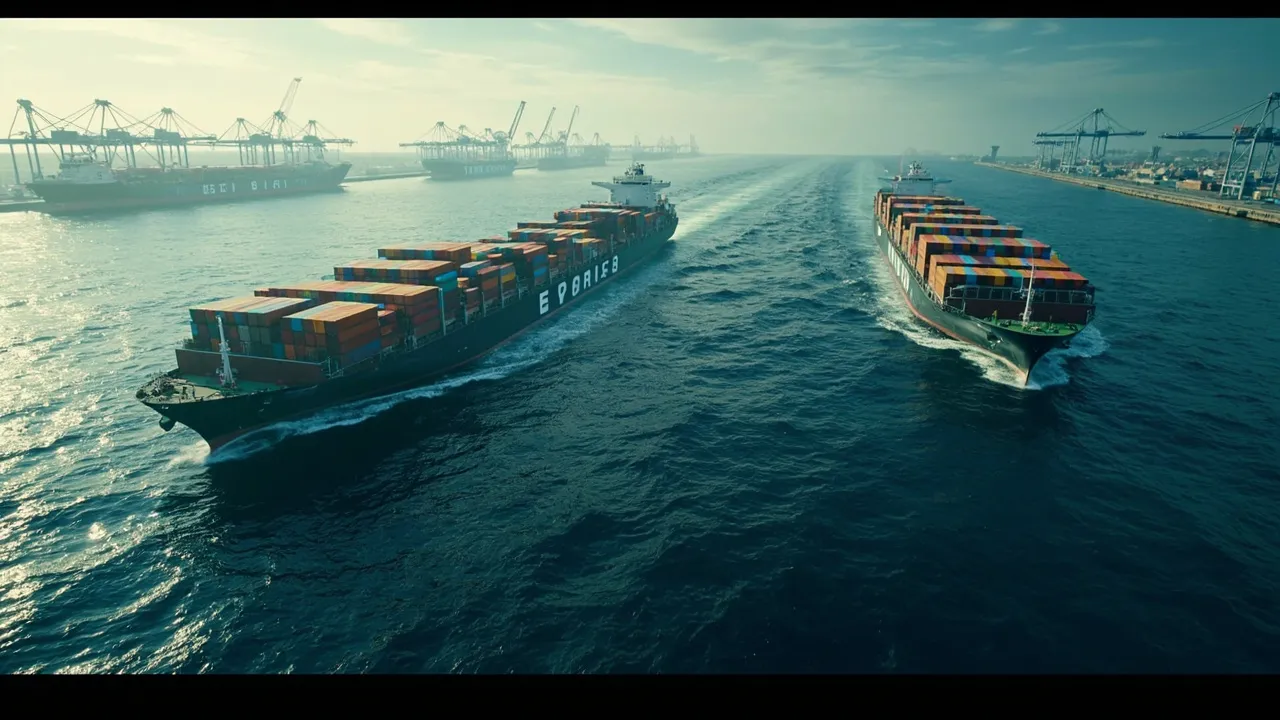
China Maritime Fee Suspension: Keep the Surcharge Logic Ready for January 2027

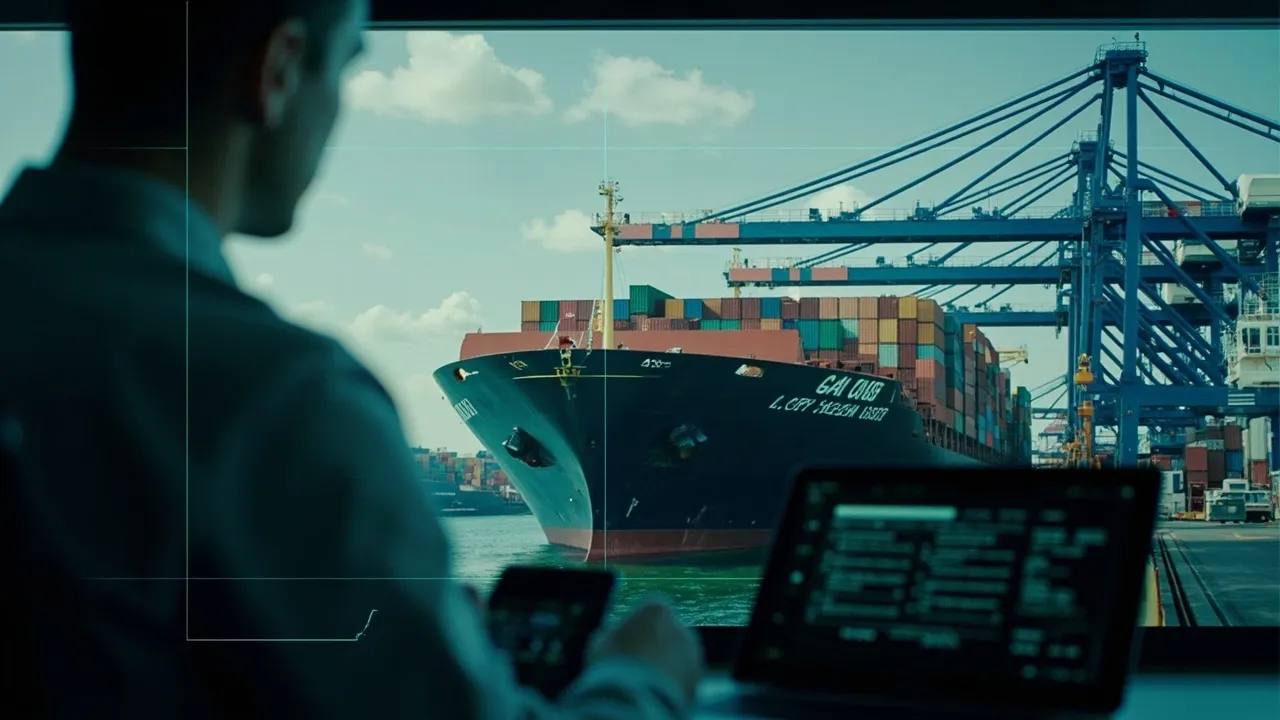
The latest pause in U.S. maritime fees tied to China could last two months longer, but it should not prompt ocean shippers to dismantle their surcharge controls. The Office of the United States Trade Representative proposed extending the suspension of its Section 301 maritime action through January 9, 2027, according to Logistics Management.
That date matters because this is a proposed extension of a suspension—not a cancellation of the underlying action. The original one-year suspension began at 12:01 a.m. ET on November 10, 2025. If the extension takes effect, importers, exporters, carriers, and forwarders gain additional planning time, not permanent certainty.
The operational response should be simple: stop charging a suspended fee when appropriate, but keep the classification logic, reference data, scenario rates, and customer communication workflow ready. Rebuilding them after a regulatory announcement would create avoidable quotation errors precisely when commercial teams need answers fastest.
Preserve the fields that determine exposure
The Section 301 action is not a universal per-container charge. Exposure can depend on who operates a vessel, who owns it, where it was built, the applicable fee schedule, and the date of the U.S. port call. FreightWaves noted that the action treated China-built vessels operated by non-Chinese carriers separately from covered Chinese operators and Chinese-owned vessels. Under the original schedule, the latter faced a $50-per-net-ton fee.
That structure makes a carrier name or origin country insufficient. A useful shipment and sailing record should retain:
- Vessel name and IMO number
- Vessel builder and country of build
- Registered owner, beneficial owner, and operator
- Carrier and service string
- Net tonnage or other rate-basis value
- U.S. port-call date and voyage identifier
- Booking, bill of lading, and container references
- Source, effective date, and version of the regulatory rule applied
The IMO number is particularly important because vessel names and commercial arrangements can change. Matching only on a displayed vessel name invites false negatives, duplicate records, and inconsistent decisions between bookings.
Data ownership also needs to be explicit. A forwarder may receive operator data from a carrier schedule, ownership data from a vessel registry, and build information from a separate reference source. The system should record where each field came from, when it was refreshed, and what happens when sources disagree. An unknown value should enter an exception queue; it should never silently default to “not exposed.”
Keep scenario rates in the transportation budget
A suspended fee has a current cash impact of zero, but its potential return still belongs in planning. Deleting the rate from a budget model creates false precision and makes the next forecast depend on hurried spreadsheet work.
Maintain at least three scenarios: suspension continues, the prior fee structure returns, or a modified action replaces it. Apply each scenario to expected port calls and the relevant vessel population rather than spreading one average across all ocean volume. Averages obscure the services and customers that actually create exposure.
For each scenario, calculate the direct assessment, carrier pass-through assumptions, allocation method, and margin effect. A carrier may translate a vessel-based cost into a container surcharge, distribute it across a service, or change rotations and vessel assignments. The commercial consequence therefore may not equal the government's assessment on a shipment-by-shipment basis.
Industry groups previously estimated that proposed maritime fees could increase shipping costs by at least 25%, or roughly $600 to $800 or more, and add about $30 billion in annual U.S. costs, as reported by Logistics Management. Those estimates are not a substitute for a company's own lane model, but they show why deleting the risk line is a bad planning shortcut.
Separate regulatory status from commercial pricing
The regulatory fee and a carrier's customer surcharge are related but distinct objects. Transportation teams should version both.
The regulatory record should include the action status, covered entities and vessels, effective dates, calculation basis, exemptions, and authoritative source. The commercial record should include the carrier notice, surcharge code, amount, currency, application date, trade lanes, equipment rules, and contract treatment. Connecting the two records provides an audit trail without assuming that one automatically determines the other.
This separation also prevents a common failure: removing a customer surcharge while a carrier pass-through remains on the payable side, or continuing to quote a fee after the carrier has withdrawn it. Finance should reconcile expected exposure, carrier invoices, customer accruals, and actual recoveries by voyage and surcharge code.
Put January triggers on the calendar now
Waiting for January 9 to organize a response is too late. Assign a compliance owner to monitor USTR notices and approved industry reporting, with formal reviews 60, 30, and 10 days before the decision date. Each review should confirm regulatory status, affected reference data, carrier notices, open quotations, and sailings that cross a possible effective-date boundary.
Create specific triggers for commercial action. A published final rule should open a regulatory review. A carrier advisory should create or revise the commercial surcharge record. A vessel substitution should recalculate exposure for affected bookings. A quote with validity beyond the current suspension should either include a documented assumption or a change-in-law clause.
Customer communications should distinguish confirmed charges from conditional exposure. Sales teams need approved language that names the rule status, the quote assumption, and what event permits repricing. That is more credible than adding a vague contingency amount or surprising a customer after cargo has moved.
Use the pause to make readiness testable
Before the next decision, run sample bookings through the preserved rules. Include a Chinese-operated vessel, a China-built vessel operated by a non-Chinese carrier, an exempt case, a vessel substitution, and a voyage near the effective-date boundary. Confirm that operations, pricing, audit, and customer-service teams reach the same result from the same data.
The proposed extension through January 9, 2027 gives ocean shippers breathing room. The best use of that time is not to forget the fee—it is to make any future activation controlled, explainable, and fast.
CXTMS helps freight teams centralize shipment data, rate rules, effective dates, exceptions, and customer charges so regulatory changes can move through one governed transportation workflow. Request a CXTMS demo to see how stronger surcharge controls can protect both compliance and margin.