U.S. Seafood Expansion Needs Cold-Chain Capacity Before Production Grows

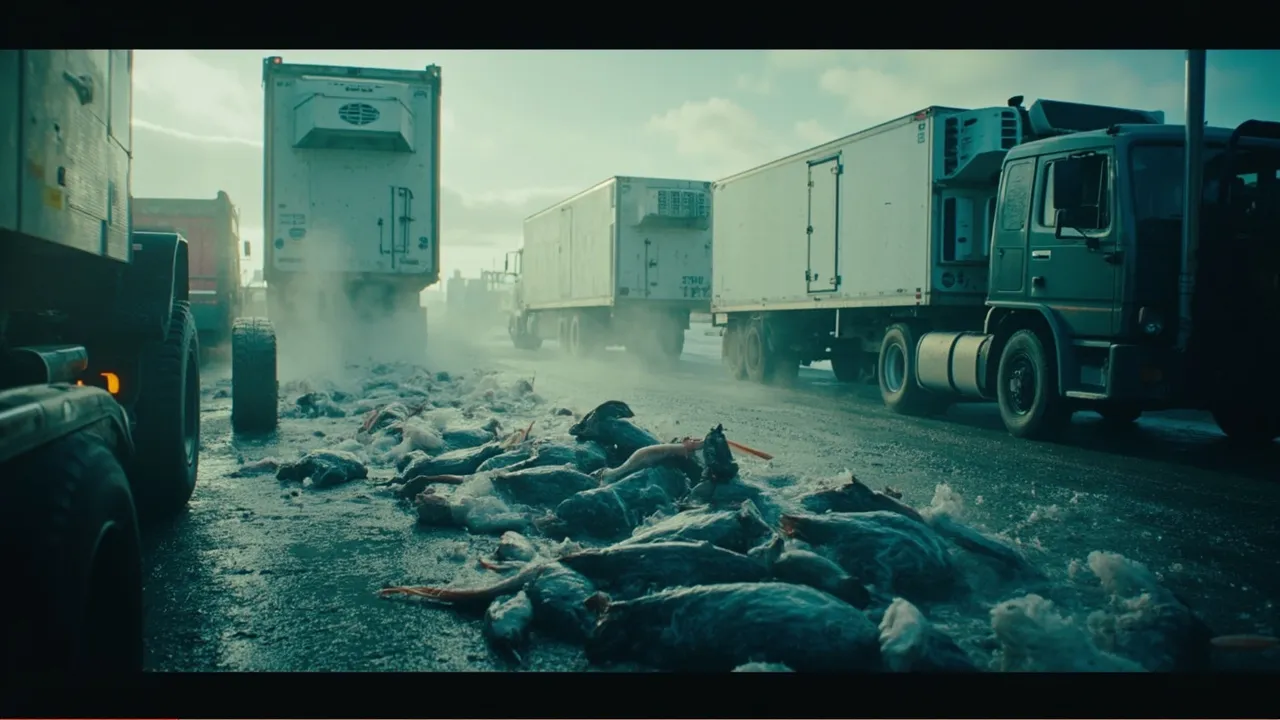
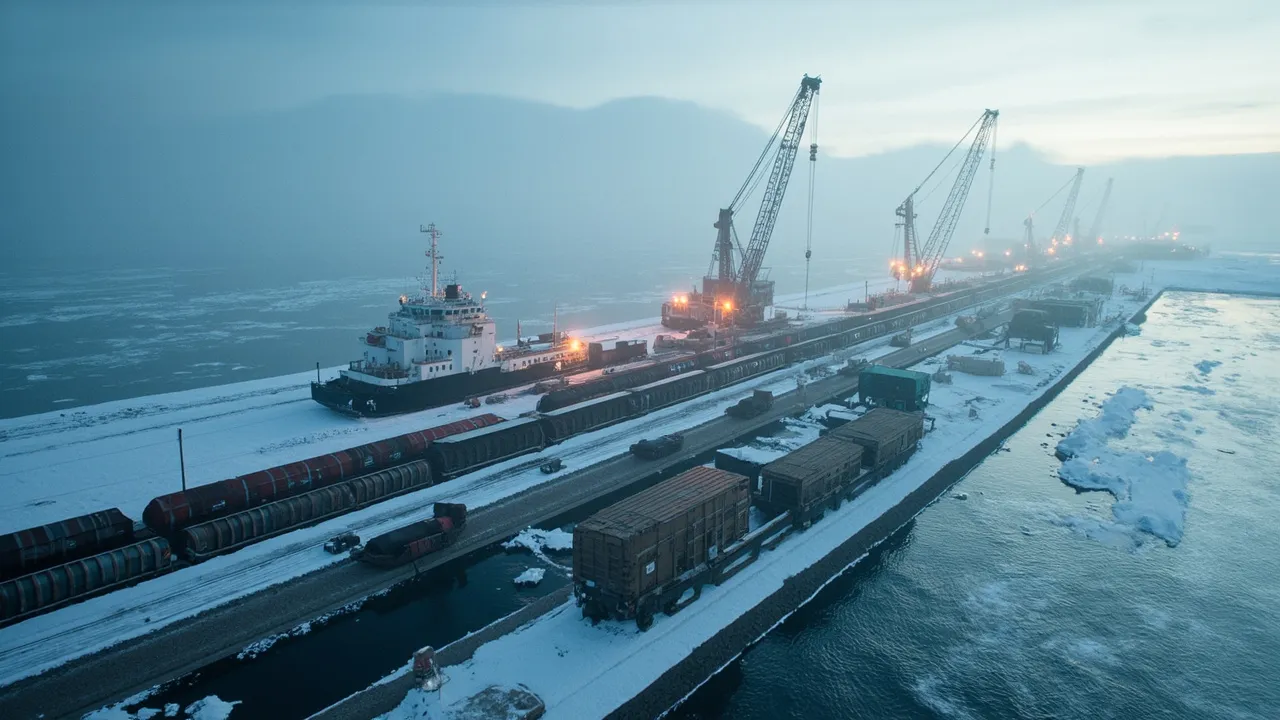
The United States cannot expand seafood production simply by allowing more fish to be landed. Every additional pound must move through a time-sensitive chain of dock labor, processing, inspection, blast freezing, refrigerated storage, and outbound transportation. If any link is undersized, a production initiative can create congestion and value loss instead of more marketable food.
That risk is material. The United States imports about 80% of the seafood it consumes, according to NOAA data cited by Reuters. UN trade data also show an annual imbalance of roughly $16 billion in fish imports versus $4.5 billion in exports, Reuters reported in 2025. Closing even part of that gap requires cold-chain capacity to grow before landings do.
Translate policy into physical handling requirements
The federal initiative includes a U.S.-caught seafood label, a national marketing campaign, expanded access to federal food-purchasing programs, and a review of catch limits using the best available science, according to SupplyChainBrain. Those measures could increase demand and harvest opportunities, but neither outcome automatically creates usable capacity ashore.
Regional planners should convert each production scenario into requirements for:
- vessel unloading windows and dockside staging;
- grading, washing, filleting, cooking, and packaging lines;
- inspection personnel and compliant sampling areas;
- blast-freezer throughput by hour, not merely freezer volume;
- chilled and frozen pallet positions;
- reefer plugs, trailers, containers, and qualified carriers;
- backup generation for processing and refrigeration; and
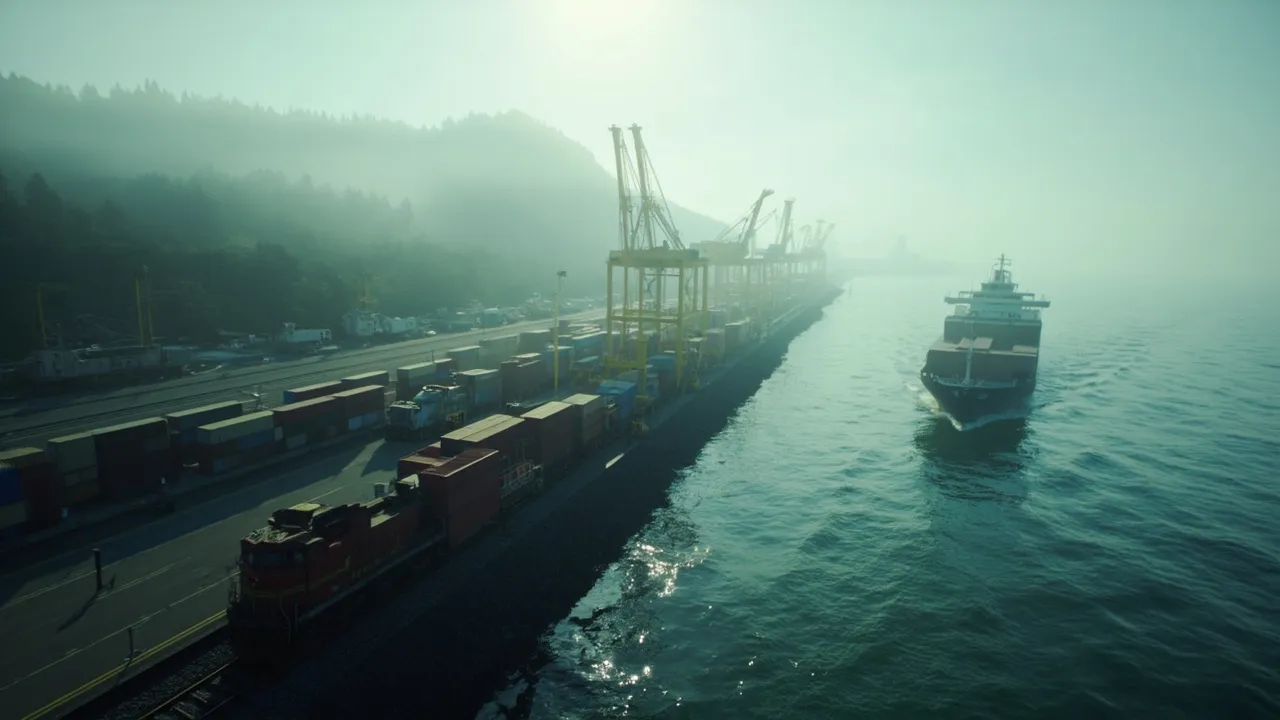
- highway, rail, airport, or port access for the target market.
These assets must be sequenced. Adding freezer storage without enough blast-freezing throughput merely creates a queue of warm product. Adding processing lines without dock appointments pushes vessels into delay. More reefer equipment does little if inspection release or packaging cannot keep pace.
Plan capacity by species and landing season
Annual tonnage is the wrong design unit. Seafood arrives in seasonal surges, and different products have radically different shelf lives, temperatures, handling steps, and value-loss curves. A pound of live shellfish, fresh groundfish, frozen pollock, and canned salmon cannot be represented by one generic ton.
Each port or region needs a species-level capacity model containing expected landings by day and shift, peak duration, processing yield, target product form, maximum dock-to-chill time, freezing cycle, pallet conversion, storage dwell, and outbound mode. The model should also show the value lost after each hour of delay. That makes the constraint economically visible: a shortfall in a high-value fresh program may deserve investment before a larger but less time-sensitive frozen flow.
Cold facilities should be evaluated as connected processes. Food Logistics described one port-adjacent cold store with 121,000 square feet, 14,000 pallet positions, USDA inspection services, and eight 24-hour blast-freezing cells. The example demonstrates why square footage alone is an incomplete measure. Inspection access and freezing cells can determine effective throughput long before every pallet position is occupied.
Preserve handoff data from vessel to buyer
Domestic origin can support a premium only when the chain can prove it. Each lot should retain vessel, harvest area, landing time, species, weight, temperature, processor, production lot, inspection status, storage location, shipment, carrier, and buyer identifiers. Temperature readings and custody events should follow the same lot through repacking, consolidation, and split shipments.
Four handoffs deserve particular control:
- Vessel to dock: planned landing window, actual arrival, lot identity, quantity, and initial temperature.
- Dock to processor: acceptance time, quality result, production priority, yield, and any rejected quantity.
- Processor to cold store or carrier: finished-lot identity, freeze or chill completion, pallet count, release status, and appointment.
- Carrier to buyer: seal, temperature record, ETA changes, delivery condition, and proof of receipt.
A shared event model prevents each participant from maintaining a different version of the lot. It also supports faster recalls, origin claims, federal purchasing documentation, and root-cause analysis when product misses its shelf-life target.
Set investment triggers before the peak arrives
Capacity investment should not wait for a freezer to reach 100% utilization. By then, appointment queues and service failures are already occurring. Operators should define forward-looking triggers tied to the seasonal forecast.
For blast freezing, trigger added cells or contract capacity when forecast peak-hour demand exceeds proven throughput after maintenance and sanitation time. For storage, use expected pallet-days and reserve a contingency margin rather than relying on nominal positions. For reefer equipment, compare the peak dispatch plan with committed tractors, trailers, containers, drivers, and plug availability. For power, test whether generation can carry critical refrigeration and control loads through the longest credible outage.
Multimodal access needs similar gates. A region serving distant domestic markets should qualify alternate refrigerated carriers and routes before the season. Export programs need container allocations, inspection cutoffs, and port receiving windows aligned with production. Airfreight may protect a high-value fresh shipment, but it should be a designed exception—not the default recovery plan for insufficient cold capacity.
Decision-makers can manage the program through five measures: dock-to-chill time, percent of lots processed inside their target window, blast-freezer queue hours, temperature-compliant delivery rate, and value lost to delay or downgrade. These measures connect infrastructure decisions to saleable output.
The strategic lesson is straightforward: harvest policy and marketing create opportunity, but cold-chain throughput converts that opportunity into food customers can actually buy. Planning docks, processing, freezing, storage, power, and transport as one regional system will determine whether expanded U.S. seafood production produces sustainable value or merely shifts the bottleneck ashore.
Preparing a temperature-controlled network for growth? Request a CXTMS demo to see how one platform can connect lots, shipment milestones, temperatures, appointments, carriers, and exceptions across the seafood cold chain.