Italy’s Trucker Aid Restored Food Deliveries—Now Measure the Cost of Recovery

Restoring deliveries after a transport shutdown is only the first half of recovery. The other half is knowing what it cost, which customers remain exposed, and whether apparently normal service is being sustained by premiums that make the lane uneconomic.
Italy’s response to recent trucker protests makes that distinction urgent. Emergency government support helped traffic and food deliveries restart, but mozzarella returning to shelves does not erase discarded produce, lost production, emergency carrier spend, or missed retail windows. Food shippers need a recovery ledger that connects service restoration to its real operational and financial consequences.
Aid reopened the network, but did not reset it
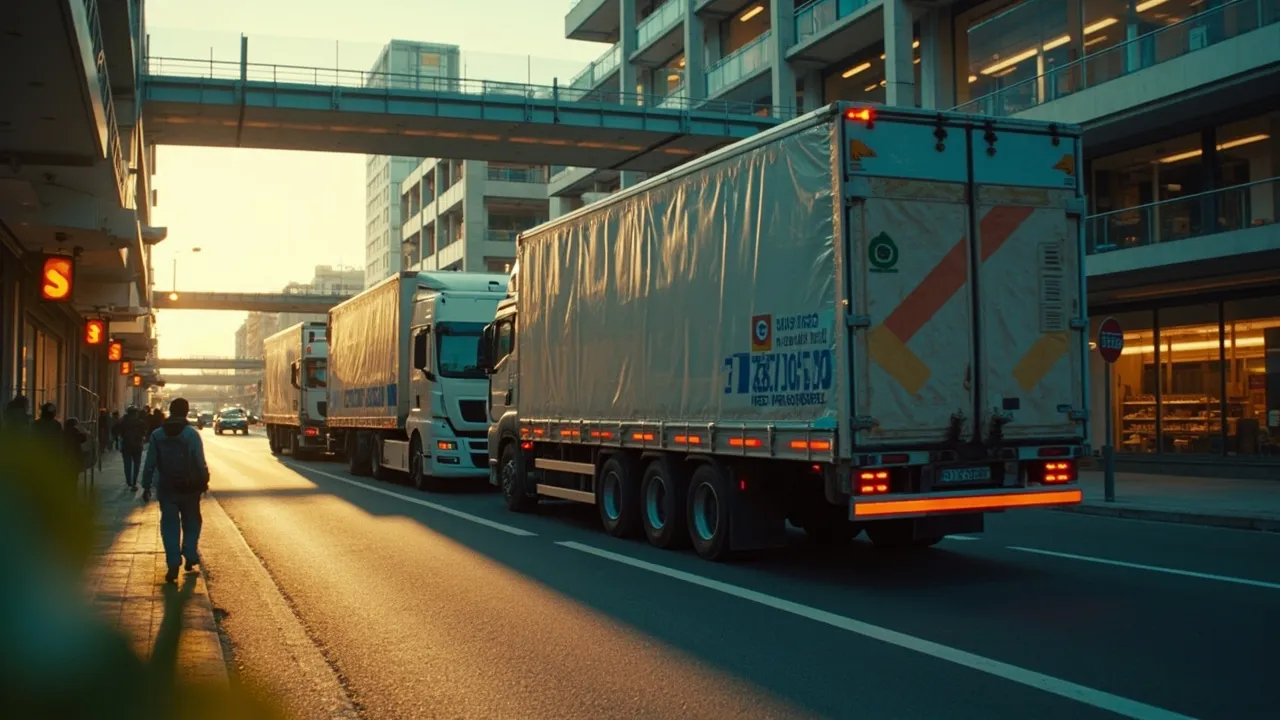
Supply Chain Brain reported that Italy approved emergency aid for truckers and farmers on October 22 after protests over surging diesel prices interrupted food deliveries in the south. Road blockades created shortages of pasta, buffalo mozzarella, and fresh produce. Some supermarket shelves in Puglia and Calabria were left bare, while pasta maker F. Divella lost three days of production.
The disruption was already expensive before the trucks began moving again. Food retailers estimated losses in the tens of millions of euros, and companies considered store closures and temporary furloughs. Retailers also discarded large quantities of perishable products stranded in warehouses. On the A1 near Naples, access restrictions affected traffic leading toward Caserta, a center of mozzarella production.
Those facts expose the danger of declaring victory when deliveries resume. A released truck may contain products whose remaining shelf life no longer meets customer requirements. A factory may restart while carrying three days of unfilled orders. A supermarket receiving pasta today may still have lost sales, labor disruption, and promotional commitments from yesterday.
Build one backlog, then rank it by consequence
Recovery begins with a single record of every affected order and load. It should include the product, quantity, production status, storage location, promised date, customer, temperature band, remaining shelf life, assigned vehicle, driver hours, and latest feasible delivery window.
That backlog should not be cleared strictly first-in, first-out. The oldest load is not always the most urgent. Fresh mozzarella and produce can lose commercial value rapidly, while dry pasta may tolerate a longer delay. Recovery sequencing should therefore score four factors:
- Perishability: remaining shelf life and time outside the required temperature range.
- Customer impact: projected stockout, store reach, penalties, and priority commitments.
- Execution feasibility: available reefer capacity, driver hours, road access, and appointment availability.
- Avoidable loss: product value, disposal cost, lost margin, and the cost of another missed window.
A high-value perishable load with a valid receiving appointment should move ahead of an older ambient load that can still arrive tomorrow without consequence. Conversely, a temperature-sensitive shipment that has already failed quality limits should not consume scarce capacity merely because it entered the queue first.
Cold-chain evidence matters here. Food Logistics highlighted that a 10-year-old truck and reefer trailer may have lost up to 50% of its original insulation capacity, increasing temperature variability. During recovery, planners must check equipment condition and sensor history rather than assuming every available refrigerated trailer offers equivalent protection.
Measure recovery in hours, loads, and shelf windows
An honest control tower needs more than an “in transit” count. It should track backlog units and value, order age, missed shelf windows, temperature excursions, discarded quantity, production hours lost, tender acceptance, spot premiums, detention, overtime, and delivery performance by lane.
The cold-chain stakes extend beyond one Italian disruption. A University of Michigan study summarized by Food Logistics found that nearly half of the 1.3 billion tons of food wasted globally each year could be prevented through fully refrigerated supply chains. That finding reinforces why recovery cannot be managed as a generic queue: location, dwell, refrigeration continuity, and remaining product life must guide each transport decision.
Teams should baseline normal lane cost and transit time before calculating recovery variance. For every emergency shipment, compare actual linehaul, fuel surcharge, tolls, detention, accessorials, and handling with the normal contracted cost. Tie rejected or discarded product to the shipment and temperature record. Link lost production to the orders it delayed rather than burying it in a plant-level total.
Keep public support separate from operating economics
Government aid may be essential to restart a strained transport system, but it can also obscure the true economics of recovery. Subsidies, fuel relief, or direct assistance should be recorded separately from carrier charges and shipper expenses.
For each lane, finance and operations should see three views: gross recovery cost, public support received or allocated, and net company cost. The gross view reveals what the disruption actually required. The net view shows the immediate financial impact. Keeping both prevents a subsidized lane from appearing structurally profitable and supports better contracting once temporary aid expires.
The same discipline applies to service metrics. An on-time delivery achieved through a spot-market premium, team drivers, overtime, and an exceptional receiving appointment is not evidence that the standard operating plan has recovered. Flag such loads as assisted recoveries and require several normal-cost cycles before closing the exception.
Make recovery auditable in CXTMS
CXTMS can connect affected orders, products, carriers, temperature records, appointments, and costs in one recovery view. Exception rules can rank loads by perishability and customer impact, alert planners when remaining shelf life threatens acceptance, and distinguish blocked, released, spoiled, rescheduled, and delivered freight.
Cost records can separate normal linehaul from emergency premiums, subsidies, disposal, overtime, and claims. Managers can then see whether service is recovering because the network is stable or because teams are purchasing temporary performance at unsustainable cost.
The right finish line is not “trucks are moving.” It is a cleared backlog, safe product, restored customer service, and lanes performing within defensible cost and reliability thresholds.
Ready to make disruption recovery measurable from backlog to final cost? Request a CXTMS demo and connect shipment priorities, cold-chain exceptions, delivery evidence, and recovery economics in one system.