A 3.5 Million-TEU Savannah Terminal Needs a Landside Capacity Reservation Model

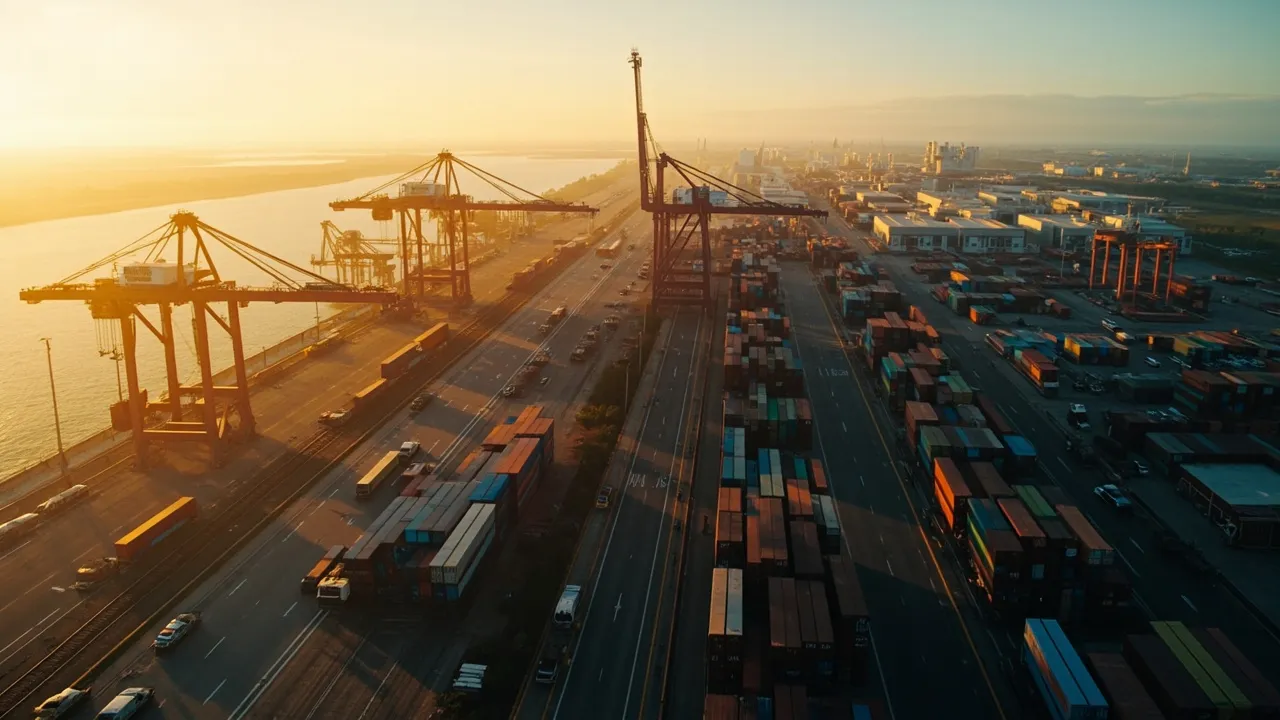
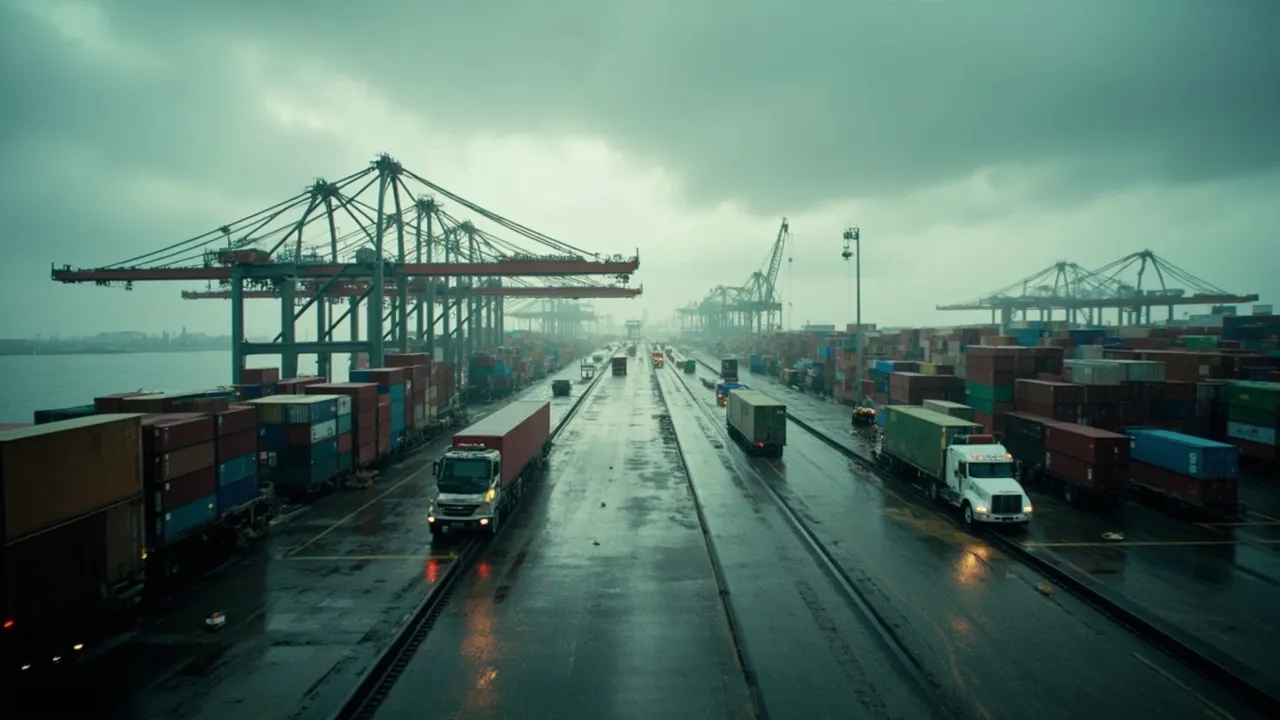
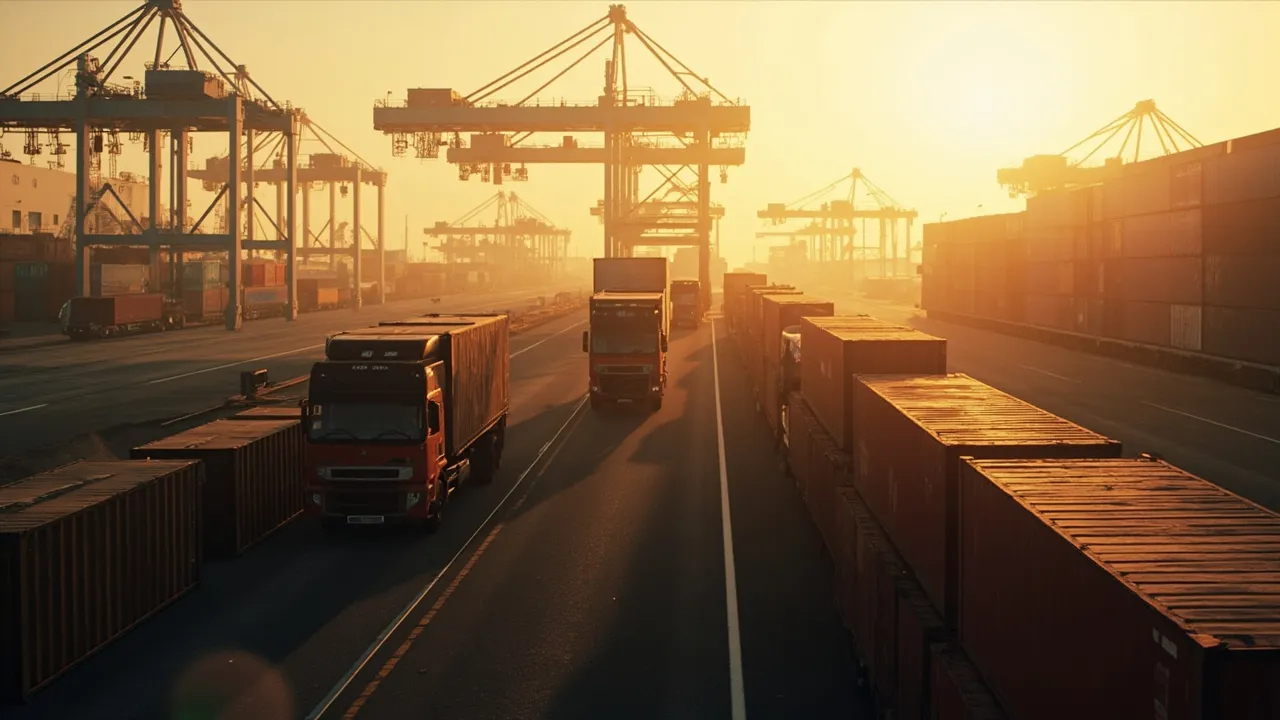
Savannah's next container terminal is a massive vote of confidence in Southeast trade—but marine capacity is only useful when containers can leave the waterfront. The newly approved terminal is designed to add 3.5 million TEUs of annual capacity. SupplyChainBrain reports that the $2.3 billion project is scheduled to begin construction in January 2028 and finish in the mid-2030s.
That long horizon creates a planning trap. Shippers may treat 3.5 million TEUs as capacity they can eventually buy, while rail slots, dray appointments, chassis, gates, and warehouse receiving labor develop on different timelines. At full utilization, 3.5 million TEUs represents roughly 9,600 TEUs per calendar day on average. Actual arrivals will be far peakier.
The answer is a landside capacity reservation model: a staged system that connects shipper volume commitments to confirmed capacity at every handoff, then releases those commitments only when the underlying milestones are real.
Translate TEUs Into Executable Landside Units
TEUs are useful for comparing terminal scale, but dispatchers do not move annual TEUs. They move containers, chassis, truck turns, train lifts, appointments, and warehouse loads in hourly windows.
Start with a conversion model by import and export, container size, loaded and empty status, and exit mode. A 40-foot import container counts as two TEUs but usually consumes one truck appointment, one chassis, one gate transaction, and one warehouse door slot. A rail move may require two terminal lifts plus space on a particular train. Empty returns create another equipment movement even when they do not represent customer inventory.
Model average demand, design-week demand, and disruption-recovery demand. A weekly average hides the surge after a large vessel works multiple cranes, while a design based only on record peaks can strand expensive assets. The practical unit is an executable time bucket: truck appointments per hour, containers per train departure, chassis-days, and warehouse receipts per shift.
Recent volumes show why the conversion matters. Savannah moved 5.7 million TEUs in fiscal 2025, its second-busiest year, according to SupplyChainBrain. The new terminal's stated capacity is therefore equivalent to more than 60% of that full-year volume. Landside plans cannot be treated as a minor extension of today's operating calendar.
Reserve the Whole Path, Not Just the Berth
A useful reservation has five linked components:
- Terminal window: expected discharge or load window, free-time rules, and container availability logic.
- Exit capacity: a confirmed rail allocation or dray appointment band with an accountable provider.
- Equipment: chassis type, quantity, location, and repositioning plan.
- Inland node: rail ramp, cross-dock, transload, distribution center, or customer facility with receiving capacity.
- Recovery option: a preapproved alternate window, carrier, ramp, or warehouse for missed connections.
If one component is provisional, label the entire path provisional. Otherwise the system creates false confidence: an ocean allocation appears secured even though the container has nowhere to go after discharge.
Each reservation should carry a volume, date range, lane, service level, expiration date, and evidence of confirmation. It should also specify who pays when actual volume exceeds the commitment or a reserved slot goes unused. This makes capacity a managed commercial position rather than an optimistic note in a planning spreadsheet.
Phase Commitments Against Real Milestones
The terminal will not appear at full capacity in one step. Construction, berth availability, cranes, yard blocks, gate systems, rail connections, road improvements, and labor readiness will mature at different times. Shipper commitments should follow the slowest required component.
Use three gates. The planning gate permits scenario modeling but no customer promise. The commercial gate permits conditional contracts after construction milestones, operating dates, and provider allocations are documented. The execution gate releases bookings only when the terminal window and landside path are confirmed for the shipment period.
Do not use a single opening date as the trigger. Record milestone dates and confidence levels separately, then attach only the volume that each phase can support. A six-month delay in a rail connection should reduce rail-based commitments automatically rather than forcing planners to discover the constraint after containers arrive.
This phased approach should also recognize that Savannah is already expanding other assets. SupplyChainBrain says the $1.6 billion Ocean Terminal renovation was 60% complete in October 2026. Overlapping projects can increase aggregate capacity, but they can also compete for contractors, road space, equipment, and operational attention during commissioning.
Build a Peak-Day Constraint Ledger
Create a ledger that compares reserved demand with capacity by day and shift. Track truck gates, rail lifts, chassis, drivers, warehouse doors, receiving labor, storage positions, and free-time exposure. Show the binding constraint, not merely total available capacity.
Rail deserves special treatment because it converts waterfront capacity into inland reach. FreightWaves reported that Savannah's Mason Mega Rail project was designed to accommodate 10,000-foot unit trains. Long trains add productive capacity, but only when locomotives, crews, destination ramp windows, and final-mile appointments line up. Reserve the full rail itinerary rather than counting terminal track footage as available shipper capacity.
Set alert thresholds before the operation turns red. For example, route a review when projected appointment utilization exceeds 85%, the chassis buffer falls below two peak days, or a warehouse's booked receipts exceed labor-adjusted door capacity. The exact thresholds should come from local performance data, but they must create time to act.
Prevent the Queue From Moving Inland
The reservation model should optimize flow, not simply terminal evacuation. Pushing every available box through the gate can transfer congestion to nearby chassis yards, rail ramps, roads, and warehouses.
Measure end-to-end dwell: discharge to availability, availability to gate-out, gate-out to warehouse receipt, and empty return. Add missed appointments, chassis dwell, rail rollover, warehouse turnaways, detention, and demurrage. When terminal dwell falls but warehouse turnaways rise, the network has not improved—it has relocated the queue.
Give operations one exception record linking the container to every reservation. If vessel arrival moves, the system should recalculate the truck or rail slot, equipment need, receiving window, and free-time risk together. Owners can then protect critical cargo, trade slots among loads, or activate recovery capacity before a bottleneck becomes a backlog.
Savannah's expansion can unlock major growth for Southeast supply chains. But 3.5 million TEUs of berth and yard capacity is not 3.5 million TEUs of customer-ready throughput. Shippers that reserve the complete landside path—and tie commitments to verified milestones—will turn infrastructure scale into dependable service instead of longer inland queues.
Ready to connect ocean bookings with rail, drayage, chassis, gate, and warehouse reservations? Request a CXTMS demo to see how CXTMS can coordinate capacity commitments and exceptions in one operating record.