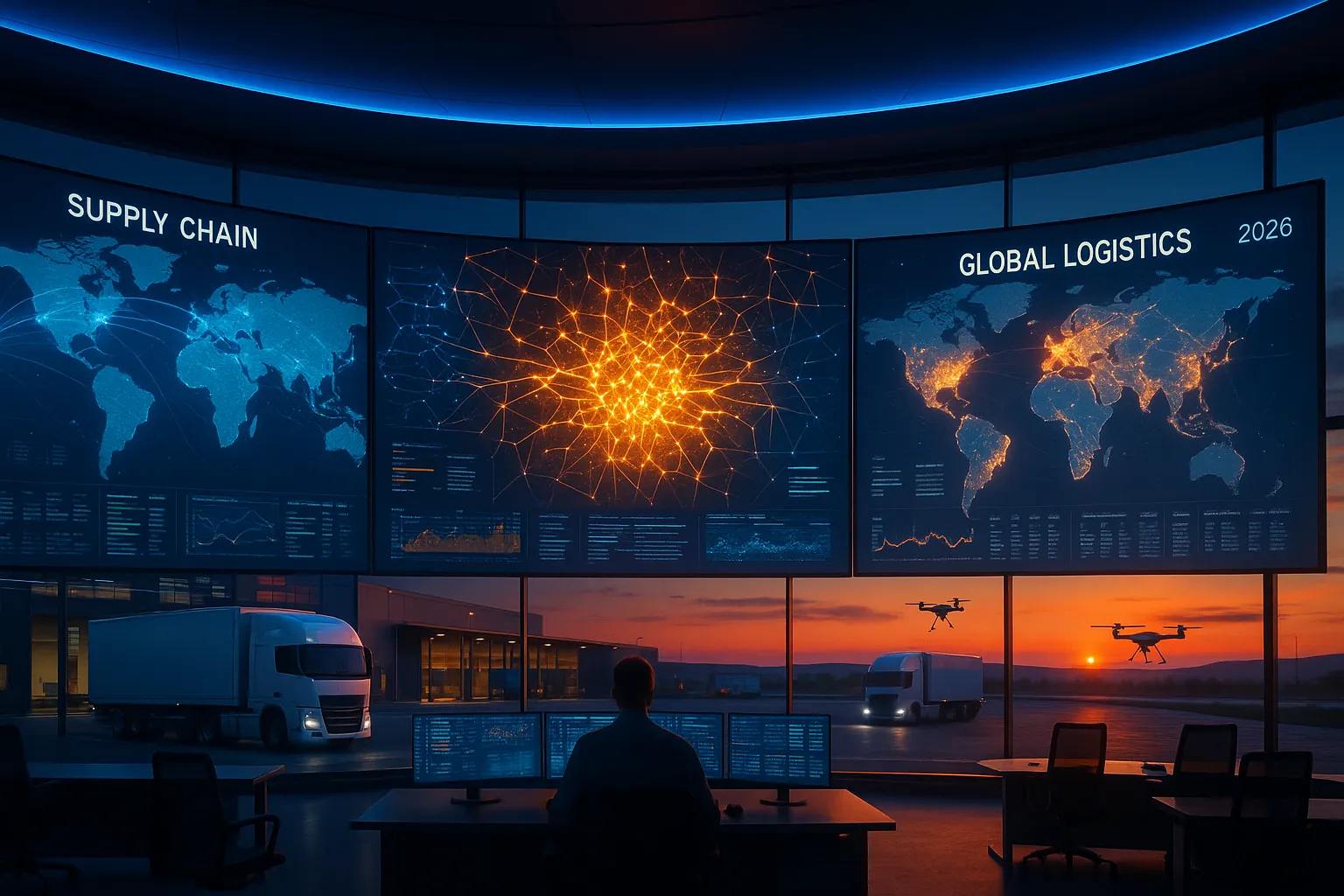
A 2026 Packaging Automation Report Exposes the Handoff Between Pack Line and Carrier Cutoff

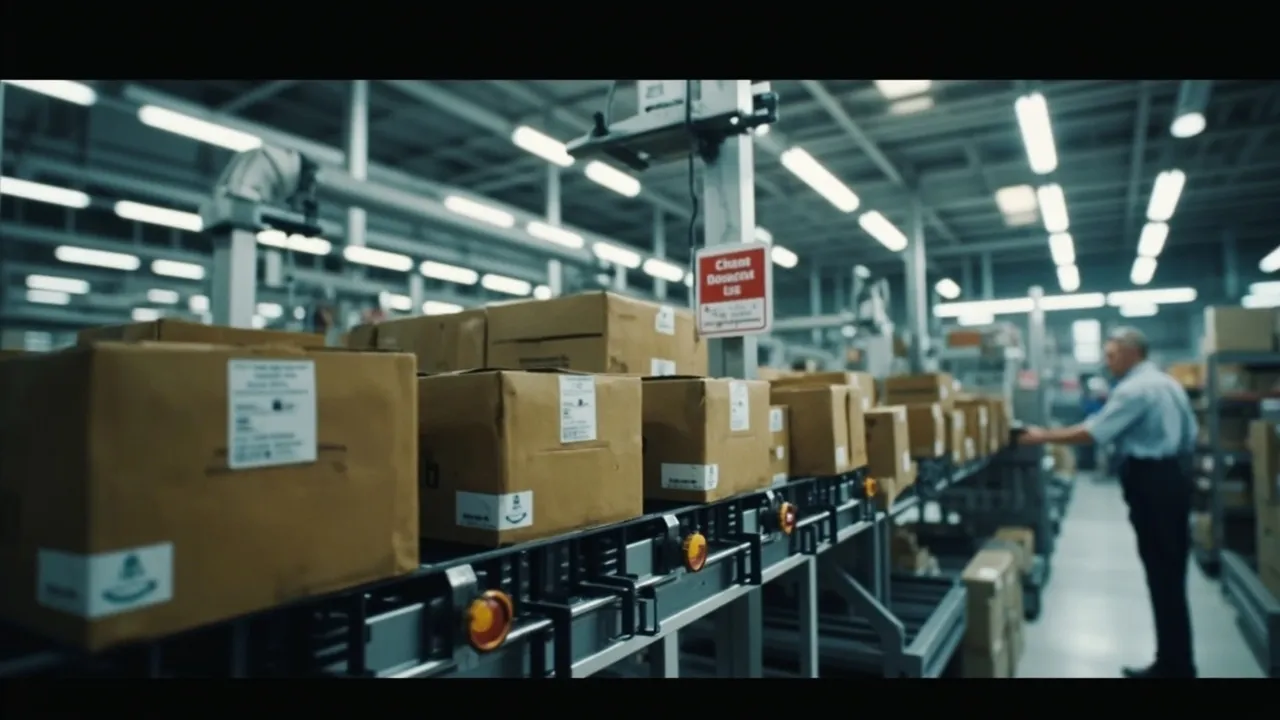
Packaging automation is often justified with a machine-level promise: more cartons per minute, fewer touches, and less direct labor. But a carton leaving a sealer is not the same thing as an order ready to depart. If labels are wrong, pallets are incomplete, staging lanes are full, or trailers miss their cutoff, faster packing simply creates a faster-growing queue.
That distinction matters as investment accelerates. Modern Materials Handling reports that the U.S. robotics market serving packaging and processing exceeded $440 million in 2025 and is projected to approach $800 million by 2031, a 10.3% compound annual growth rate. The same research found 72% of surveyed end users already use robotics, with adoption expected to reach 95% by 2031.
The operational question is no longer whether packaging will automate. It is whether packaging automation will be connected to the outbound transportation plan.
The real output is dispatch-ready freight
The pack line has a convenient finish line: a sealed carton. Transportation has a harder one: the right shipment, correctly documented and consolidated, positioned at the right outbound door before the carrier closes the trailer.
Those outcomes diverge when each team optimizes its own metric. Packaging may maximize cartons per hour while releasing work in a sequence that fragments orders across pallets. Sortation may keep utilization high while starving an urgent route. The dock may appear busy while priority freight sits behind later-cutoff shipments. A dashboard can show green equipment status while customer orders quietly roll to the next pickup.
This is why completed cartons should be measured alongside four downstream signals:
- Label accuracy: the share of cartons with the correct carrier, service, destination, and machine-readable label on the first attempt.
- Pallet or load release: the time between the last required carton reaching consolidation and the load becoming eligible for staging.
- Dock staging: dwell time and lane occupancy by route, door, and cutoff window.
- Carrier cutoff attainment: the percentage of planned shipments tendered, loaded, and confirmed before the operational cutoff.
Together, these metrics reveal whether automation creates flow or merely relocates congestion.
Faster packing can expose a slower system
The latest market evidence points toward broader automation. Modern Materials Handling notes that industrial robots represented 63% of the packaging and processing robotics market in 2025, mobile robots 32%, and collaborative robots 5%. By 2031, mobile robots are forecast to become the largest category at 45%. That shift is significant because it extends automation beyond a fixed cell and into the movement between packing, consolidation, staging, and shipping.
MMH's coverage of warehouse automation describes AGVs and AMRs as natural extensions of end-of-line systems, moving finished pallets between production, staging, and warehouse areas. It also highlights right-fit packaging, which can reduce material and void space while improving parcel density and transport-capacity utilization.
Those gains are real, but they create new dependencies. A right-fit machine may increase output while a print-and-apply station becomes the constraint. An automated palletizer may finish loads faster than quality teams can release them. Mobile robots may deliver pallets to outbound staging only to find every lane occupied. None of these failures appears in the packaging machine's cycle-time report.
The cure is not to slow the equipment. It is to design controls around the end-to-end handoff.
Connect machine events to shipment milestones
Every important packaging event should update a transportation milestone. A carton-complete signal should identify the order, shipment, route, carrier service, and cutoff it supports. Label verification should record pass or exception status. The final carton for a pallet should trigger consolidation readiness. Pallet release should update the dock queue. Loading confirmation should close the loop against the planned pickup.
This event chain gives operators a shared operational clock. Instead of seeing “line 3 produced 1,200 cartons,” they can see “route 218 is 87% packed, two cartons are in label exception, staging lane B is available, and the carrier cutoff is 42 minutes away.” That is information a supervisor can act on.
It also enables smarter sequencing. The warehouse execution layer can prioritize cartons that complete a near-cutoff load, while the transportation system can flag a changed appointment or carrier delay before the pack line commits capacity. When exceptions occur, teams can distinguish a genuine production shortfall from a consolidation, labeling, staging, or dock-door problem.
Build a cutoff control tower, not another dashboard
A practical control view should organize work by remaining time and shipment risk, not by department. Start with planned departure and work backward through load close, pallet release, labeling, and pack completion. Define expected timestamps for each milestone and calculate the buffer remaining at every step.
Three rules make that view useful:
- Use one shipment identity. Carton, pallet, order, load, appointment, and carrier references must resolve to the same movement without spreadsheet reconciliation.
- Alert on predicted misses. A warning after the cutoff is bookkeeping. Use current production rate, exception volume, staging dwell, and door availability to identify risk early.
- Measure the handoffs. Track time from pack completion to label verification, consolidation, staging, and loading. The largest gap usually identifies the next automation or process improvement.
Investment plans should follow the same logic. The robotics survey says 61% of end users expect to increase robotics investment over the next year, while reliability, service support, and demonstrated ROI lead their supplier-selection criteria. ROI should therefore include avoided premium freight, fewer rolled shipments, improved trailer utilization, lower detention exposure, and more consistent on-time dispatch—not only labor removed from a packaging cell.
Make carrier cutoff the shared promise
Packaging automation earns its return at the dock door. Cartons per minute remain useful, but they are an intermediate measure. The stronger operating model aligns pack-line speed with accurate labels, complete loads, available staging capacity, and the carrier's clock.
CXTMS connects warehouse execution signals with shipment milestones, appointments, and carrier workflows so teams can see which freight is truly ready—and which cutoff is at risk. Request a CXTMS demo to turn packaging output into dependable, dispatch-ready freight.